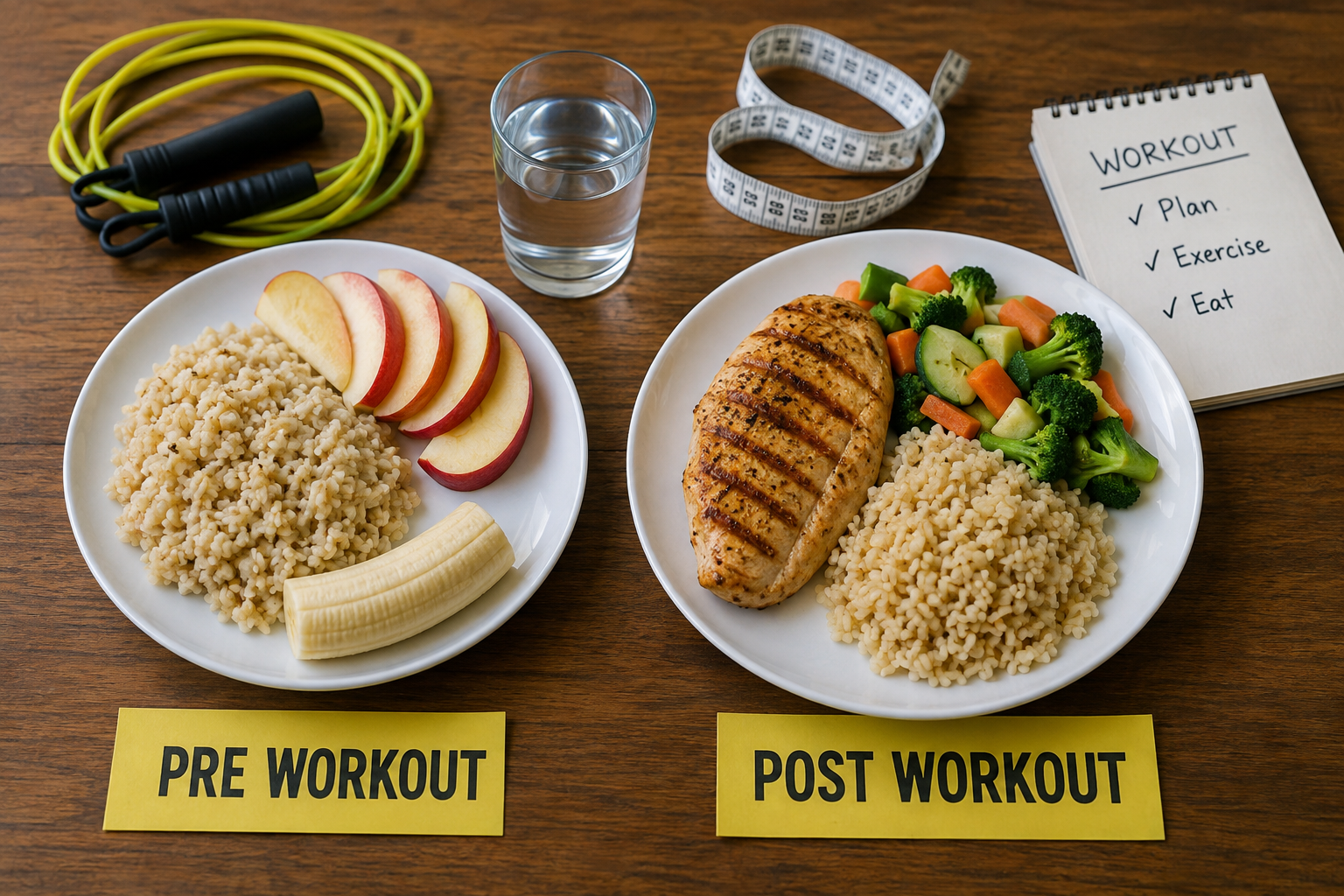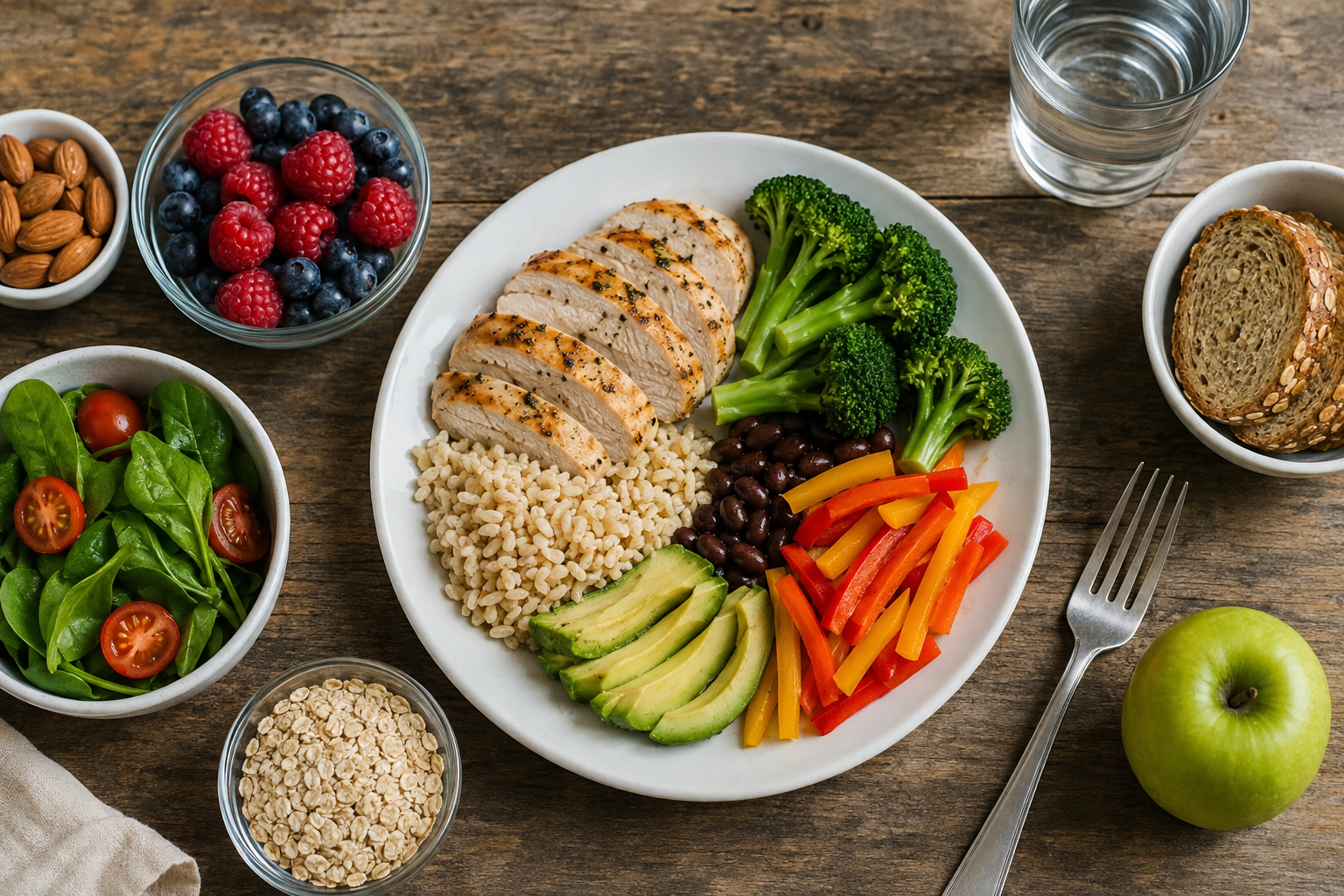
Protein is one of the most important nutrients for anyone who wants to build muscle, improve strength, and maintain a healthy body. Whether you are a beginner starting your fitness journey or someone who has been training for years, getting enough protein can make a major difference in your results. Exercise creates a demand for recovery, while protein provides the building blocks your body needs to repair and develop muscle tissue.
Many people focus mainly on workouts when trying to gain muscle, but nutrition is just as important. You can spend hours in the gym, but without enough protein and other essential nutrients, your body may not have the resources it needs to recover properly. Understanding the importance of protein for muscle growth can help you create better eating habits and support your fitness goals naturally.
What Is Protein?
Protein is a macronutrient made from smaller substances called amino acids. Your body uses amino acids for many important functions, including building and repairing muscles, producing enzymes, supporting the immune system, and maintaining different tissues throughout the body.
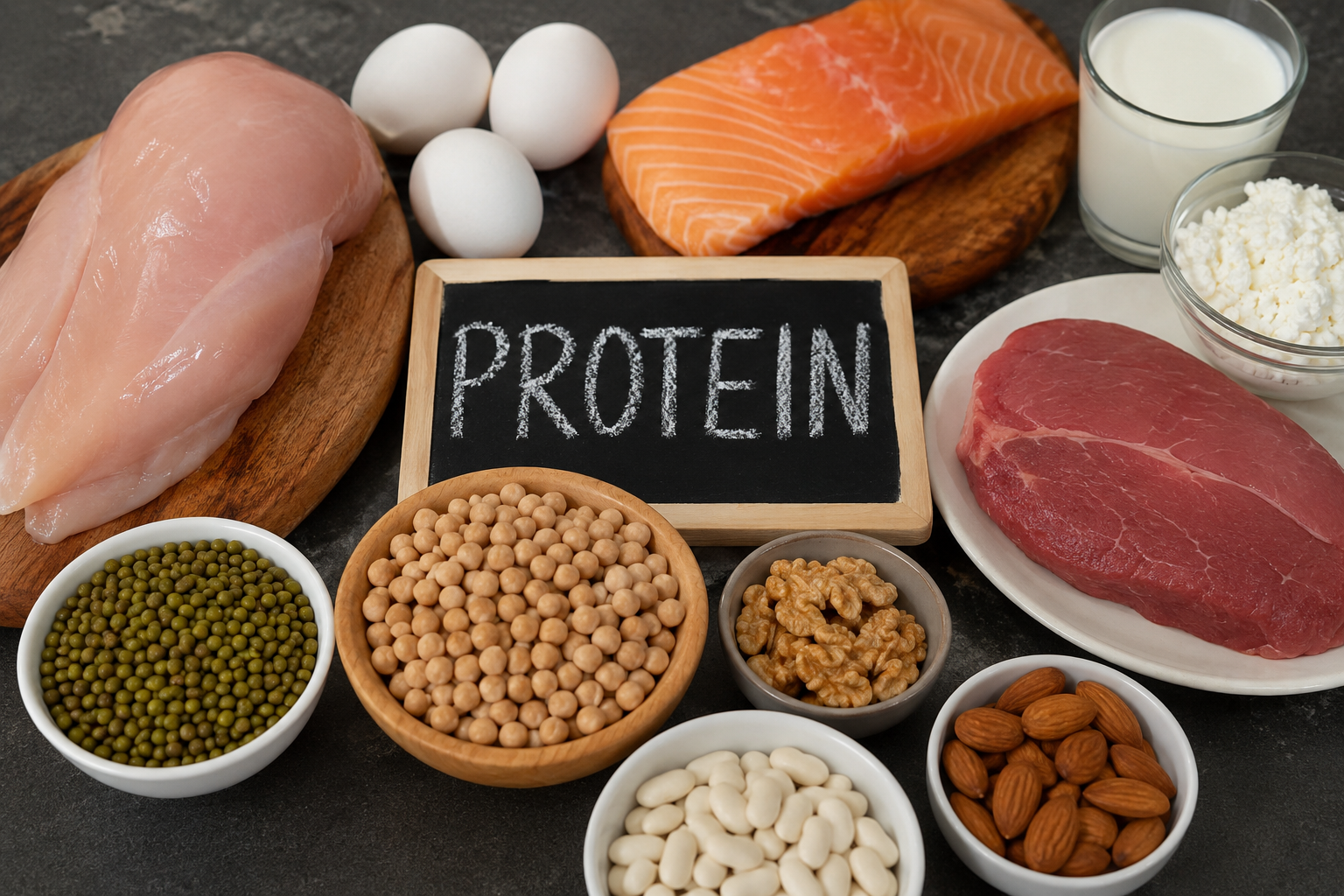
There are many protein rich foods available. Eggs, chicken, fish, lean meat, milk, yogurt, cheese, beans, lentils, soy products, nuts, and seeds can all contribute to your daily protein intake. Protein powders can also be convenient, especially for people who find it difficult to get enough protein from regular meals.
When you exercise, your muscles experience stress. Protein helps provide the amino acids needed to repair that muscle tissue and support the process of muscle growth.
Why Protein Is Important for Muscle Growth
The main reason protein is important for muscle growth is that muscle tissue needs amino acids to repair itself. During resistance training, small amounts of muscle damage can occur. This is a normal part of the training process. Your body responds by repairing the affected muscle fibers.
When your diet provides enough protein, your body has access to the amino acids needed for this repair process. Over time, consistent strength training combined with sufficient protein can help muscles become stronger and larger.
This process is often connected with muscle protein synthesis. Muscle protein synthesis is the process through which the body creates new muscle proteins. Regular exercise stimulates this process, while eating enough protein provides the raw materials required to support it.
Protein Helps With Muscle Recovery
Muscle recovery is an important part of any workout routine. Training places stress on your muscles, and your body needs time and nutrients to recover. Protein can support this recovery process by supplying essential amino acids.
If you regularly train without paying attention to nutrition, recovery may become more difficult. You may feel tired, experience reduced performance, or struggle to make progress. A balanced diet that contains enough protein can support your body’s natural recovery after exercise.
Eating protein throughout the day can also be a practical way to provide your body with a regular supply of amino acids. Instead of depending on one large protein rich meal, try including a good protein source in several meals.
How Much Protein Do You Need?
Protein needs can vary from person to person. Factors such as body weight, age, activity level, training routine, and fitness goals can affect how much protein is appropriate.
For people who regularly participate in resistance training and want to build muscle, a commonly used range is around 1.6 to 2.2 grams of protein per kilogram of body weight per day. This is a general fitness guideline rather than a requirement for every individual.
For example, someone weighing 70 kilograms might aim for roughly 112 to 154 grams of protein per day if they are actively training for muscle growth. However, individual needs can differ, so it is useful to consider your overall diet and personal goals.
More protein is not automatically better. A balanced diet should also provide carbohydrates, healthy fats, vitamins, minerals, fiber, and enough total calories.
Best Protein Foods for Muscle Growth
Choosing quality protein sources can make it easier to reach your daily protein target. Animal based foods such as eggs, chicken, fish, lean beef, milk, Greek yogurt, and cottage cheese are generally rich in high quality protein.
Plant based foods can also contribute significantly to muscle building nutrition. Lentils, beans, chickpeas, tofu, tempeh, soy products, peas, nuts, and seeds are useful choices. People following a vegetarian or vegan diet can build a strong protein intake by eating a variety of plant foods throughout the day.
Eggs are a simple and affordable option for many people. Chicken and fish can provide a large amount of protein without requiring complicated preparation. Greek yogurt and milk can work well as convenient snacks or additions to breakfast.
The best protein source is often the one that fits your budget, preferences, lifestyle, and overall diet.
Protein Timing and Muscle Growth
Protein timing can also be useful when planning your meals. While your total daily protein intake is generally more important than focusing on one specific meal, eating protein around your workouts can support recovery and muscle building.
A protein rich meal or snack after training can provide your body with amino acids when your muscles are recovering. You do not necessarily need to consume protein immediately after your final exercise. The important thing is to maintain a consistent protein intake throughout the day.
For example, you could have eggs at breakfast, chicken or lentils at lunch, yogurt as a snack, and fish or beans at dinner. This approach makes protein a regular part of your daily nutrition rather than something you only think about after exercise.
Protein and Strength Training
Protein works best for muscle growth when combined with proper strength training. Resistance exercises such as squats, push ups, rows, lunges, presses, and weight lifting provide the training stimulus that tells your body to adapt.
If your goal is muscle growth, gradually increasing the challenge of your workouts is important. This can involve adding weight, increasing repetitions, improving exercise technique, or increasing training volume over time.
Protein supports the recovery side of this process, while strength training provides the stimulus. Both nutrition and exercise need to work together for the best results.
Common Protein Mistakes
One common mistake is eating most of your protein in only one meal. Spreading protein intake across breakfast, lunch, dinner, and snacks can make it easier to meet your daily target.
Another mistake is depending too heavily on protein supplements. Protein powder can be convenient, but it should not replace a balanced diet. Whole foods provide protein along with other important nutrients.
Some people also avoid carbohydrates because they believe protein is the only nutrient needed for muscle growth. This is not true. Carbohydrates can provide energy for workouts, while healthy fats support important body functions. A balanced diet is essential for overall fitness.
Another mistake is expecting fast results. Building muscle takes time. Consistent training, adequate protein, sufficient calories, good sleep, and patience are all important.
Protein for Muscle Growth During Weight Loss
Protein is also valuable for people who want to lose body fat while maintaining muscle. During weight loss, eating enough protein and continuing resistance training can help support muscle maintenance.
This is especially important because losing weight too quickly or following an overly restrictive diet may make it harder to preserve muscle. A balanced approach that includes sufficient protein, regular exercise, and a reasonable calorie deficit can be more sustainable.
High protein foods can also help you feel satisfied after meals, which may make it easier to manage your overall food intake.
Is Protein Powder Necessary?
Protein powder is not necessary for everyone. You can get enough protein from whole foods if your daily diet is well planned. However, protein powder can be useful when you have a busy schedule or find it difficult to eat enough protein through normal meals.
Whey protein, casein protein, soy protein, pea protein, and other options are available. The best choice depends on your dietary preferences and individual needs.
Before using supplements regularly, it is a good idea to understand your overall nutrition and choose products from reliable sources.
The Role of Sleep and Hydration
Protein alone cannot create muscle growth. Recovery also depends on sleep, hydration, training quality, and overall nutrition. Sleep gives your body time to recover from physical activity and prepares you for your next workout.
Drinking enough water is also important because hydration supports many processes involved in exercise and recovery. A healthy lifestyle should therefore include good nutrition, regular exercise, sufficient sleep, and proper hydration.
Final Thoughts
The importance of protein for muscle growth should not be ignored. Protein provides amino acids that help your body repair and build muscle tissue after exercise. When combined with consistent strength training, a balanced diet, enough sleep, and proper recovery, adequate protein can support better muscle growth and strength.
Focus on getting protein from a variety of nutritious foods and make it a regular part of your meals. Eggs, chicken, fish, dairy products, beans, lentils, soy foods, nuts, and seeds can all help you reach your daily protein needs.
Most importantly, remember that muscle growth is a long term process. There is no single food or supplement that can replace consistent training and healthy habits. By eating enough protein, following a sensible workout routine, and giving your body enough time to recover, you can create a strong foundation for achieving your muscle growth and fitness goals.