
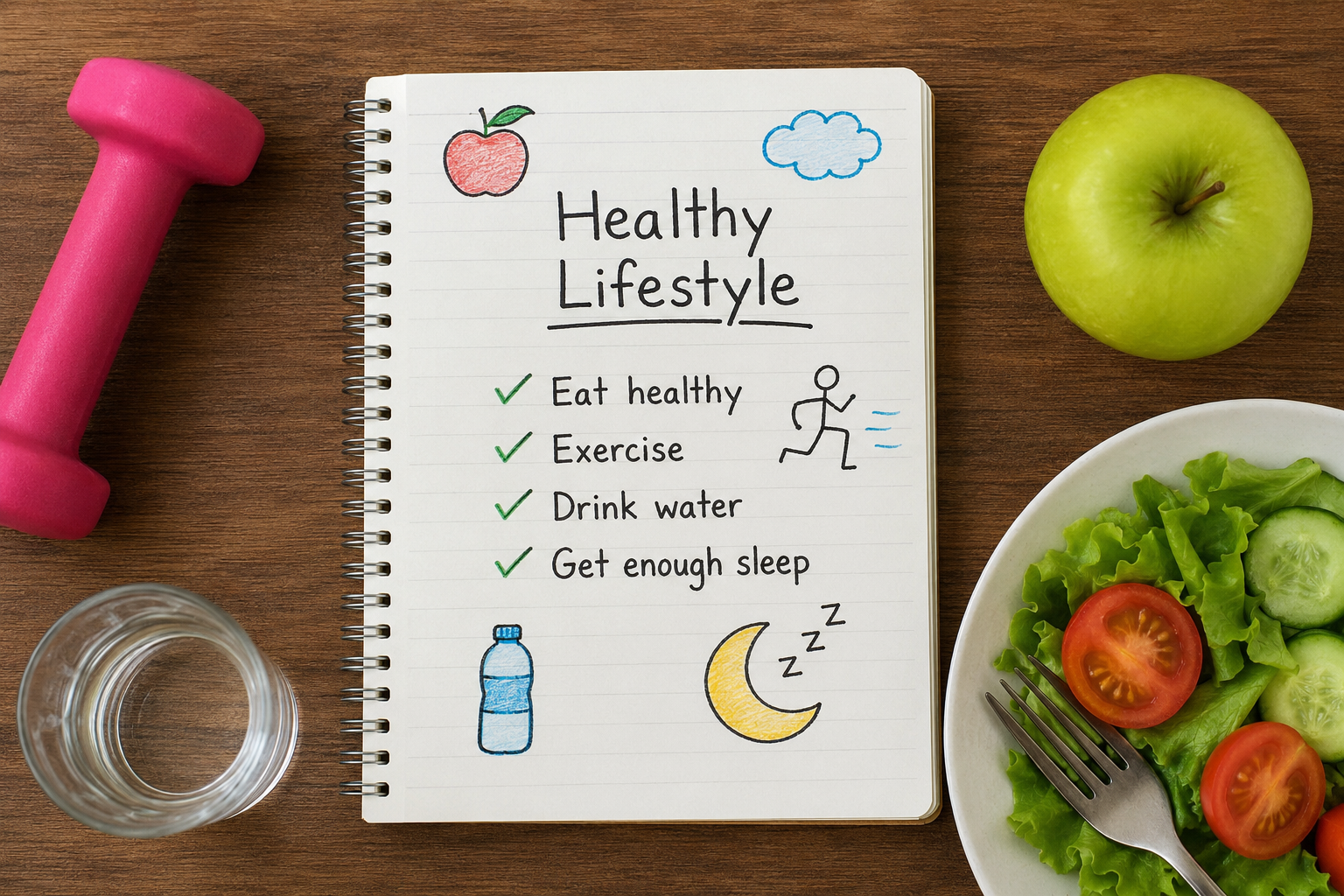
Maintaining a healthy lifestyle is not something that should be followed for a few weeks and then forgotten. It is a long term commitment that can improve your physical health, mental wellbeing, energy levels, and overall quality of life. Many people start a healthy routine with strong motivation but find it difficult to continue after some time. The main reason is that they try to make too many changes at once. A better approach is to build simple and realistic healthy habits that can become a natural part of everyday life.
A healthy lifestyle does not mean following a perfect diet or spending hours in the gym every day. It means making better choices most of the time and creating routines that support your health. With consistency, patience, and a positive mindset, you can maintain a healthy lifestyle long term without feeling overwhelmed.
Focus on Healthy Eating Habits
One of the most important parts of maintaining a healthy lifestyle is eating a balanced diet. Your body needs different nutrients to stay strong and active. A healthy diet should include vegetables, fruits, whole grains, lean protein, healthy fats, and enough water.
Try to include a variety of foods in your daily meals. Vegetables and fruits provide important vitamins, minerals, and fiber. Protein sources such as eggs, fish, chicken, beans, lentils, and yogurt can support muscle health and help you feel full. Whole grains such as oats, brown rice, and whole wheat bread can provide long lasting energy.
You do not need to completely avoid your favorite foods. Instead, focus on balance and portion control. Eating healthy does not mean being perfect. Allowing yourself occasional treats can make your diet easier to maintain over the long term.
Stay Physically Active
Regular physical activity is another important part of a healthy lifestyle. Exercise can help improve heart health, muscle strength, flexibility, energy, and mood. You do not always need an intense workout to stay active.
Walking, cycling, swimming, stretching, dancing, household activities, and strength training can all contribute to an active lifestyle. Choose activities that you actually enjoy because enjoyable exercise is easier to continue.
If you are new to exercise, start slowly. Even a short daily walk can be a good beginning. As your fitness improves, you can gradually increase the amount and intensity of your activity. The goal is to create a routine that fits comfortably into your lifestyle.
Get Enough Quality Sleep
Sleep is often ignored when people think about healthy living, but it is extremely important. Your body uses sleep to recover from daily activities, while your brain needs rest to support concentration, memory, and emotional balance.
Try to maintain a consistent sleep schedule. Going to bed and waking up around the same time each day can help create a healthy sleep routine. Make your bedroom comfortable, quiet, and suitable for rest.
Avoid spending too much time on your phone or other screens immediately before sleeping. Instead, consider relaxing activities such as reading, light stretching, or listening to calming music. Getting enough quality sleep can make it easier to maintain other healthy habits during the day.
Drink Enough Water
Proper hydration is an important part of a healthy lifestyle. Water supports many functions in the body and helps you stay refreshed during the day. Your water needs can vary depending on your activity level, weather, diet, and individual needs.
Keep water available throughout the day so drinking it becomes a simple habit. If you exercise or spend a lot of time outdoors, you may need more fluids. Choosing water instead of sugary drinks can also help reduce unnecessary sugar intake.
Manage Stress in Healthy Ways
Long term health is not only about physical fitness. Mental wellbeing is equally important. Everyday responsibilities, work, studies, family matters, and financial concerns can create stress. Learning how to manage stress can help you maintain a healthier lifestyle.
Find activities that help you relax. Walking outdoors, exercising, reading, spending time with family, practicing deep breathing, or enjoying a hobby can help you feel calmer. You should also give yourself time to rest instead of feeling guilty about taking breaks.
If something is causing constant stress, try to identify the source and find practical ways to manage it. Talking to someone you trust can also be helpful when you feel overwhelmed.
Build Small Healthy Habits
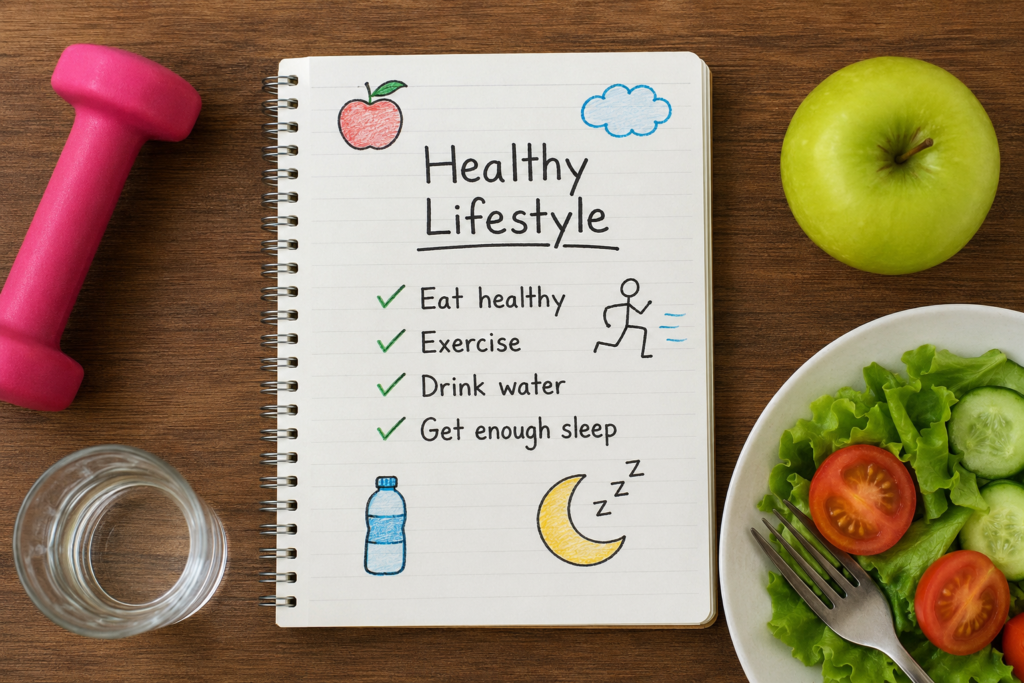
One of the best ways to maintain a healthy lifestyle long term is to focus on small changes. Trying to completely change your diet, exercise routine, sleep schedule, and daily habits at the same time can become difficult.
Start with one or two simple goals. For example, you might decide to walk for twenty minutes each day or add vegetables to one meal. Once the habit becomes comfortable, you can introduce another positive change.
Small habits may seem insignificant at first, but they can create meaningful results when repeated consistently. Long term health is built through everyday actions rather than occasional periods of extreme effort.
Avoid Extreme Diets
Many people try extreme diets because they want quick results. These diets may involve severe calorie restriction or removing large groups of foods. Although some people may see short term changes, extreme approaches can be difficult to maintain.
A sustainable healthy lifestyle should provide your body with enough nutrients and energy. Instead of looking for a quick solution, focus on eating balanced meals and developing better food choices.
Your goal should not simply be to lose weight quickly. The goal should be to build healthy habits that you can continue for years.
Make Health a Daily Priority
Maintaining a healthy lifestyle becomes easier when health is included in your daily routine. You can make simple decisions throughout the day that support your wellbeing.
Take the stairs when possible, walk during short breaks, prepare healthy meals at home, drink water regularly, and make time for physical activity. These small choices can become automatic when you practice them consistently.
Planning can also make healthy living easier. Preparing meals in advance can reduce the temptation to choose unhealthy food when you are busy. Keeping healthy snacks available can also help you make better choices when hunger appears.
Maintain Social Connections
Healthy relationships can have a positive effect on overall wellbeing. Spending time with supportive family members, friends, and other people can provide emotional support and motivation.
You can also make physical activity more enjoyable by exercising with someone else. Walking with a friend, joining a fitness class, or participating in a recreational sport can make staying active more social and enjoyable.
A healthy lifestyle should not feel lonely or restrictive. Positive relationships can make your health journey more enjoyable and sustainable.
Track Your Progress
Tracking your progress can help you understand what is working and where you need improvement. You can keep a simple record of your exercise, meals, sleep, water intake, or personal goals.
Do not focus only on your weight. Other signs of progress are also important. You may notice better energy, improved strength, better sleep, improved mood, or increased confidence.
Remember that progress is not always perfectly consistent. Some days will be better than others. The important thing is to continue moving forward rather than giving up after one difficult day.
Learn From Setbacks
Nobody follows a healthy routine perfectly all the time. You may miss workouts, eat more unhealthy food than planned, sleep poorly, or lose motivation. These moments do not mean that you have failed.
Instead of giving up, think about what caused the setback. Maybe your schedule was too busy or your goal was unrealistic. Use the experience to make your routine more practical.
A healthy lifestyle is about consistency, not perfection. One unhealthy meal or missed workout will not destroy your progress. What matters is what you do most of the time.
Create Realistic Long Term Goals
Your health goals should be realistic and personal. Instead of setting goals that are difficult to maintain, choose goals that match your lifestyle.
For example, you could aim to exercise several times a week, eat more vegetables, improve your sleep routine, drink more water, or spend less time sitting. These goals are easier to measure and maintain.
As you achieve one goal, you can create another. This approach keeps your health journey interesting and gives you a sense of progress.
Conclusion
Maintaining a healthy lifestyle long term is about creating habits that you can realistically follow every day. Healthy eating, regular exercise, quality sleep, proper hydration, stress management, and positive relationships all play an important role in overall health.
You do not need to make dramatic changes overnight. Start with small steps and gradually build better routines. Focus on consistency rather than perfection and learn from setbacks instead of giving up.
The most effective healthy lifestyle is one that fits your daily life. When healthy choices become normal habits rather than temporary challenges, they can support your physical and mental wellbeing for many years. Start with one positive change today, continue building healthy habits, and give yourself time to create a lifestyle that supports a healthier and happier future.