Sleep is one of the most important parts of a healthy and active lifestyle. Many people focus on exercise, healthy food, protein, and workout plans while forgetting that proper sleep is equally important. If you want to improve your fitness, build muscle, increase strength, lose weight, or recover after exercise, getting enough quality sleep should be part of your daily routine.
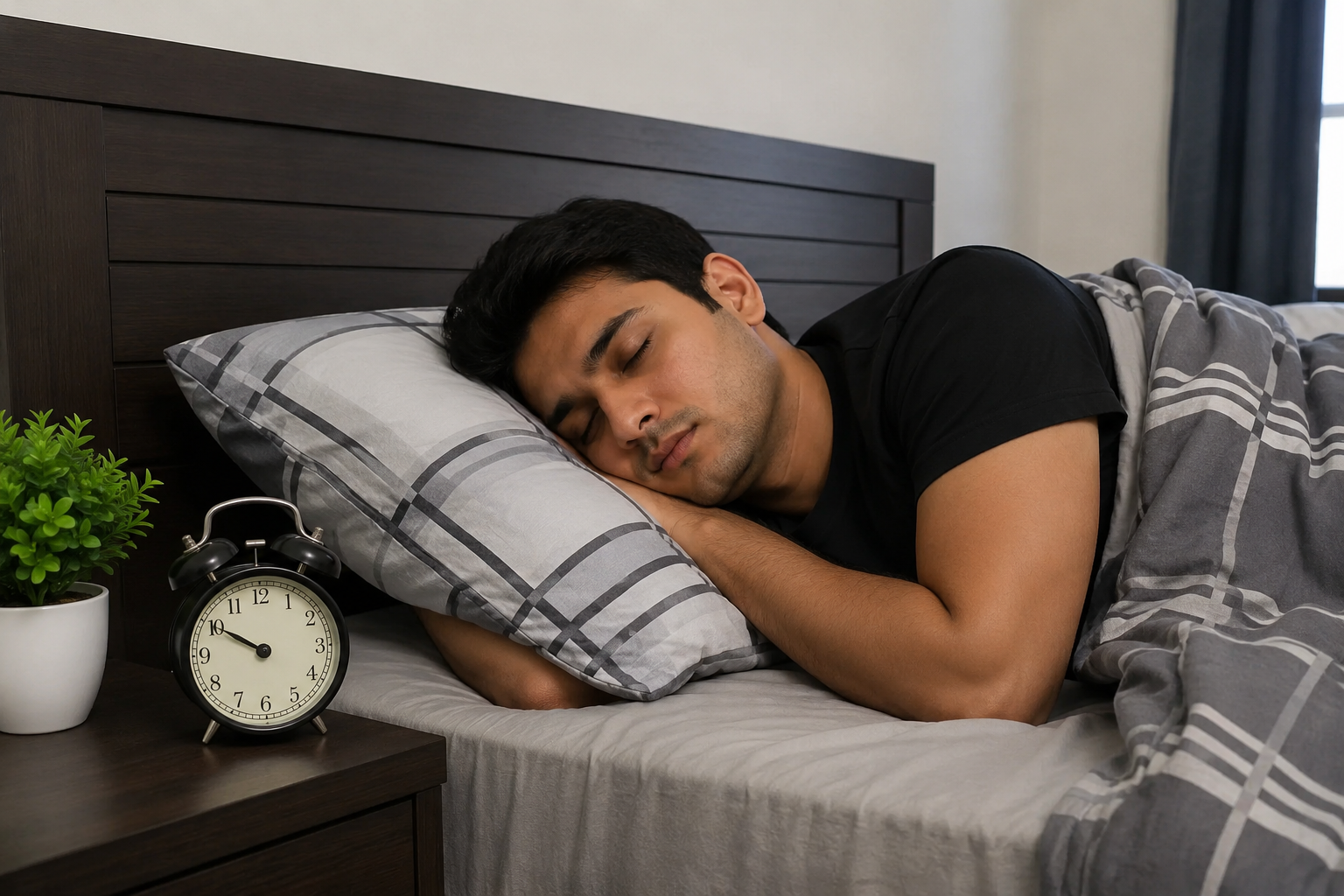
The importance of sleep for fitness and recovery is connected to many processes inside the body. During sleep, the body gets time to repair muscles, restore energy, support the immune system, and prepare the brain for the next day. Without enough sleep, even a good workout routine may not provide the results you expect.
Why Sleep Is Important for Fitness
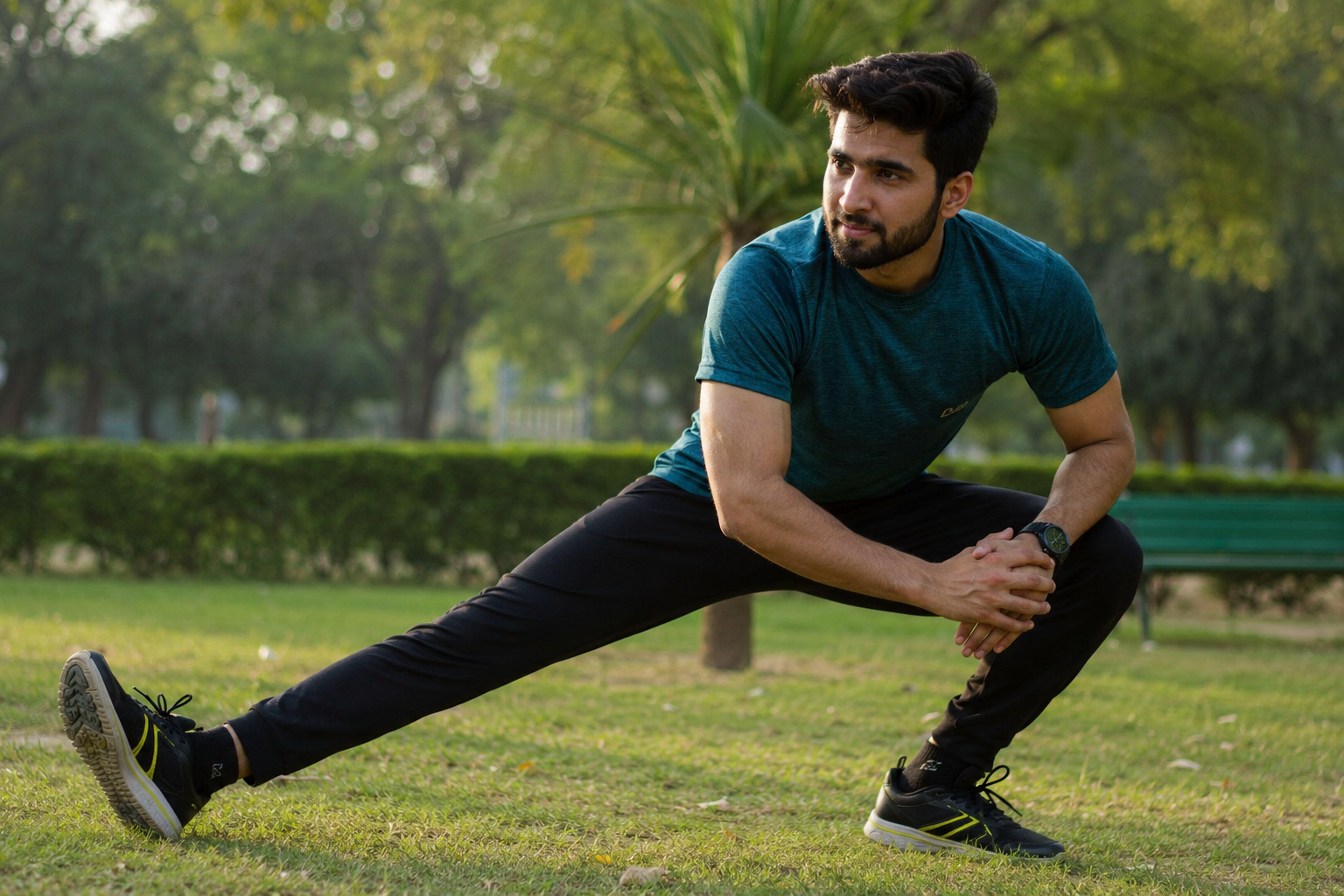
Fitness is not only about spending time in the gym. Your body needs time to recover after physical activity. Exercise creates stress on your muscles and uses energy. Sleep gives your body an opportunity to repair and rebuild.
When you get enough sleep, you are more likely to feel energetic and focused during your workout. You may also find it easier to maintain good exercise form and complete your training session properly. On the other hand, poor sleep can leave you feeling tired and less motivated to exercise.
Sleep also supports important body functions that influence physical performance. A consistent sleep schedule can help your body maintain healthy energy levels and improve your ability to stay active throughout the day.
How Sleep Helps Muscle Recovery
Muscle recovery is an important part of fitness. After strength training or other intense exercise, your muscles need time to recover from the stress placed on them.
During deep sleep, the body works on repairing tissues and supporting recovery. Adequate sleep provides the body with valuable recovery time after exercise. This is especially important for people who regularly perform strength training, bodybuilding, running, sports, or other demanding activities.
If you exercise regularly but do not sleep enough, your recovery may become slower. You may continue feeling tired or sore, which can make it harder to maintain your workout routine.
For people who want to build muscle naturally, sleep should be considered just as important as training and nutrition. A strong fitness routine should include exercise, nutritious food, hydration, and sufficient rest.
Sleep and Muscle Growth
Muscle growth depends on several factors, including resistance training, protein intake, overall nutrition, and recovery. Sleep plays an important supporting role in this process.
Your body performs many repair and recovery activities while you sleep. Hormones involved in growth and tissue repair are also associated with sleep. Getting enough quality sleep helps create a better environment for your body to recover after training.
This does not mean that sleeping more automatically builds large muscles. You still need a suitable workout program and enough nutritious food. However, poor sleep can make it harder for your body to recover properly from regular training.
If your goal is muscle growth, try to treat sleep as part of your workout plan rather than something separate from fitness.
Sleep and Exercise Performance
Good exercise performance requires both physical energy and mental focus. Whether you are lifting weights, running, cycling, swimming, or playing sports, your body needs to work efficiently.
When you sleep well, you may feel more alert and ready to exercise. Better rest can support concentration, coordination, reaction time, and motivation. These factors can make your workouts more productive.
Poor sleep can have the opposite effect. You may feel slow, tired, or mentally distracted. Your workout may feel harder than usual, and you may struggle to complete exercises with the same level of effort.
For this reason, sleep and exercise performance are closely connected. A good night’s sleep can help you approach your workout with greater energy and focus.
How Much Sleep Do You Need?
Sleep needs can vary from person to person. Many adults generally need around seven to nine hours of sleep each night. Some people may need slightly more or less depending on their lifestyle, activity level, age, and individual needs.
People who exercise frequently may notice that their bodies require more rest. Hard training sessions can increase the need for recovery, making quality sleep even more valuable.
Instead of focusing only on a specific number of hours, pay attention to how you feel during the day. If you regularly wake up feeling exhausted, struggle to stay alert, or depend heavily on caffeine, your sleep routine may need improvement.
The quality of your sleep also matters. Sleeping for several hours but waking up frequently may not provide the same recovery benefits as continuous, restful sleep.
The Connection Between Sleep and Weight Management
Sleep can also be important for people who are trying to manage their weight. A healthy weight loss plan should include balanced nutrition, physical activity, good sleep, and healthy daily habits.
Poor sleep can affect hunger and appetite. When you are tired, it may become more difficult to make healthy food choices. You may also experience stronger cravings for high calorie foods.
Getting enough sleep can support a healthier routine by helping you feel more energetic and prepared to stay active. Sleep alone does not cause weight loss, but it can make healthy lifestyle habits easier to maintain.
If you are trying to lose weight naturally, do not focus only on reducing food or increasing exercise. Make sure your recovery and sleep routine receive attention as well.
Signs That You May Not Be Getting Enough Sleep
Your body can give you several signals when you are not getting enough sleep. Some common signs include feeling tired during the day, difficulty concentrating, low motivation, frequent irritability, reduced workout performance, and slower recovery.
You may also notice that your usual workout feels more difficult. Your muscles might remain sore for longer than expected, or you may find it harder to maintain your regular training schedule.
Occasionally having a poor night’s sleep is normal. The problem becomes more important when insufficient sleep happens regularly.
If you consistently have difficulty sleeping or feel unusually tired despite getting enough time in bed, consider speaking with a qualified healthcare professional.
Simple Ways to Improve Sleep Quality
Improving your sleep does not always require major changes. Small and consistent habits can make a meaningful difference.
Try to go to bed and wake up at approximately the same time each day. A regular sleep schedule can help your body develop a consistent rhythm.
Create a relaxing bedtime routine. Reading a book, taking a warm shower, stretching gently, or spending a few quiet minutes away from work can help prepare your mind for sleep.
Keep your bedroom comfortable, quiet, and dark when possible. A comfortable sleeping environment can make it easier to relax.
It is also helpful to limit heavy meals, caffeine, and stimulating activities close to bedtime. If you use electronic devices at night, consider reducing screen time before going to sleep.
Regular exercise can support better sleep, but very intense workouts immediately before bedtime may not work well for everyone. Pay attention to how your body responds and adjust your schedule when necessary.
Sleep on Rest Days
Rest days are an important part of fitness, especially for people who train regularly. A rest day does not mean that you are doing nothing for your fitness goals. It gives your body time to recover and prepare for future workouts.
Sleep becomes especially valuable on rest days because your body continues its recovery process even when you are not exercising.
Some people make the mistake of thinking that more exercise always produces better results. In reality, training without enough recovery can make it difficult to maintain long term progress.
A balanced fitness routine should include challenging workouts, healthy nutrition, hydration, rest days, and quality sleep.
Sleep and Mental Recovery
Fitness is not only physical. Your brain also needs recovery. Good sleep can support concentration, mood, memory, and mental performance.
When you are mentally refreshed, it can be easier to stay motivated and follow your fitness goals. You may also find it easier to plan meals, complete workouts, and maintain healthy habits.
Poor sleep can make daily tasks feel more difficult. It may reduce motivation and increase feelings of tiredness. This can create a cycle where you exercise less, eat less carefully, and become frustrated with your progress.
Improving sleep can therefore support both physical and mental aspects of a healthy lifestyle.
Building a Better Fitness Routine With Sleep
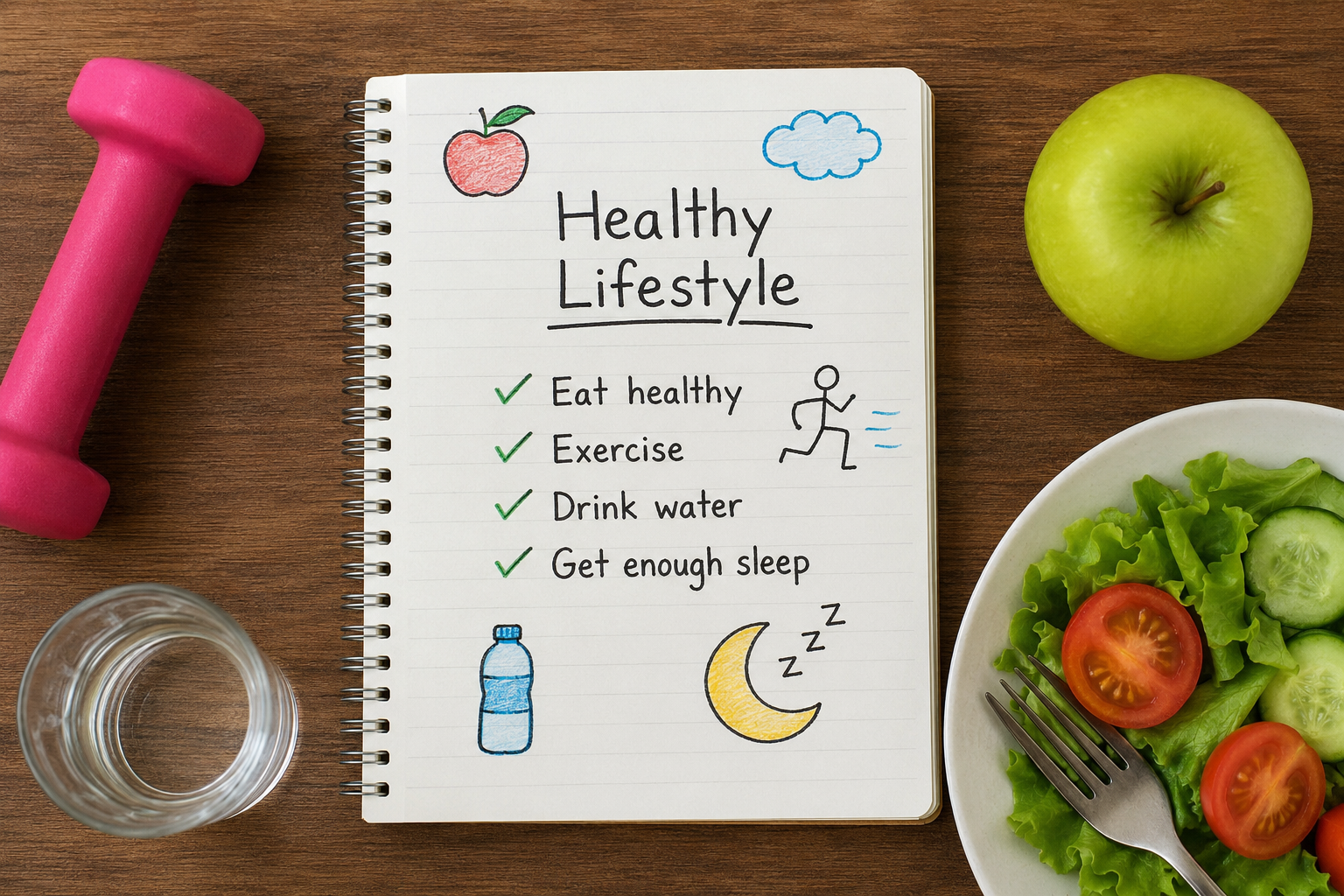
If you want better fitness results, think of your routine as a complete system. Exercise provides the training stimulus. Nutrition provides important nutrients and energy. Hydration supports normal body functions. Sleep provides valuable time for recovery.
Instead of trying to exercise as much as possible, focus on creating a routine that you can maintain for a long time.
For example, you can plan your workouts around your daily schedule, eat balanced meals, drink enough water, and set a regular bedtime. These simple habits can work together to support your fitness goals.
Consistency is more important than perfection. One late night will not destroy your progress, just as one perfect night will not transform your fitness overnight. What matters most is building healthy habits that you can follow regularly.
Final Thoughts
The importance of sleep for fitness and recovery should never be underestimated. Sleep gives your body valuable time to recover from exercise, repair tissues, restore energy, and prepare for the next day. It can also support exercise performance, muscle recovery, mental focus, and healthy lifestyle habits.
If you want to build muscle, improve strength, lose weight, increase endurance, or simply become healthier, make sleep a regular part of your fitness plan. Aim for consistent, quality sleep and create a relaxing bedtime routine that works for your lifestyle.
Remember that fitness progress does not happen only while you are exercising. Your body also needs proper recovery after every workout. By combining regular exercise, balanced nutrition, hydration, rest, and quality sleep, you can create a healthier and more sustainable approach to fitness and recovery.