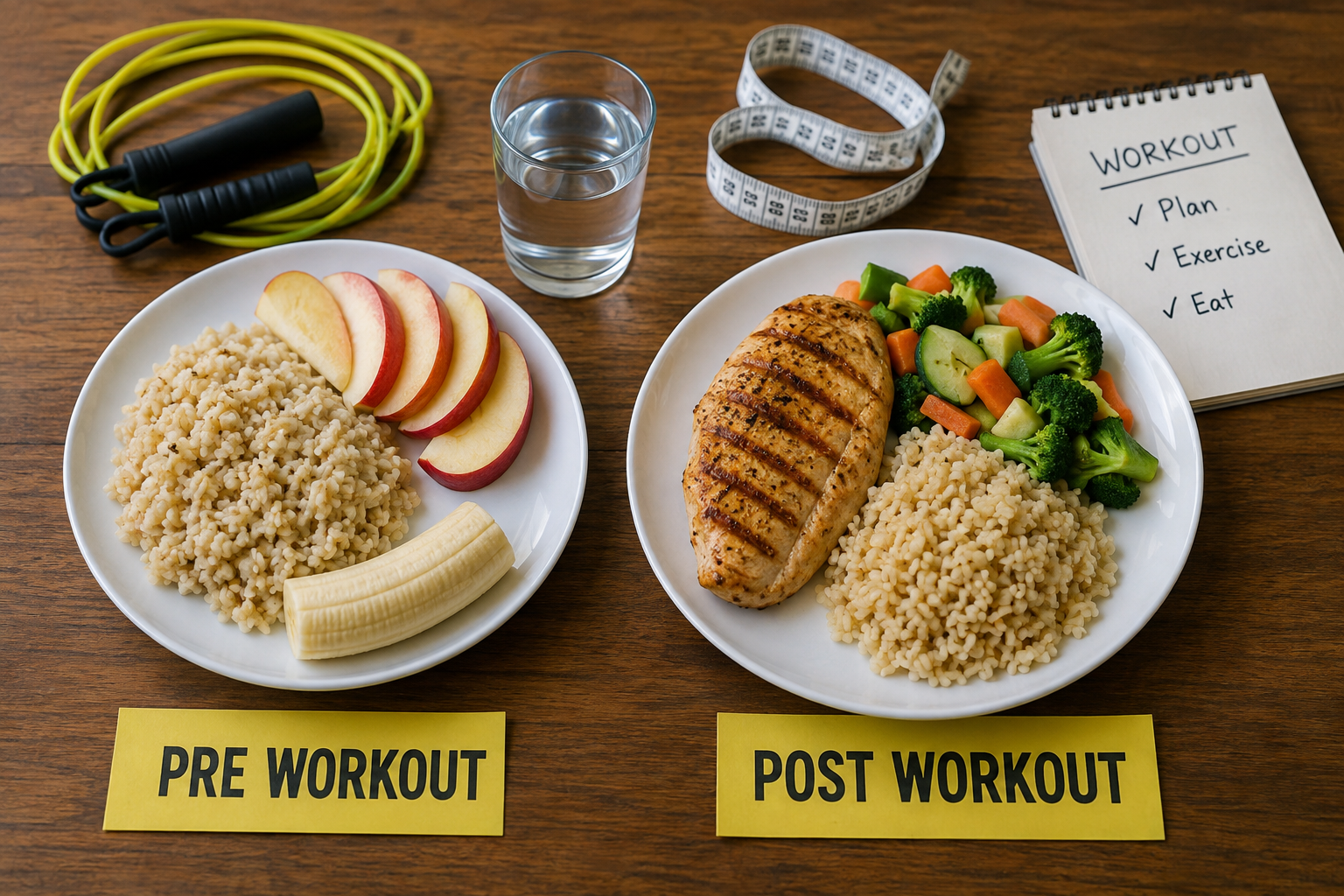
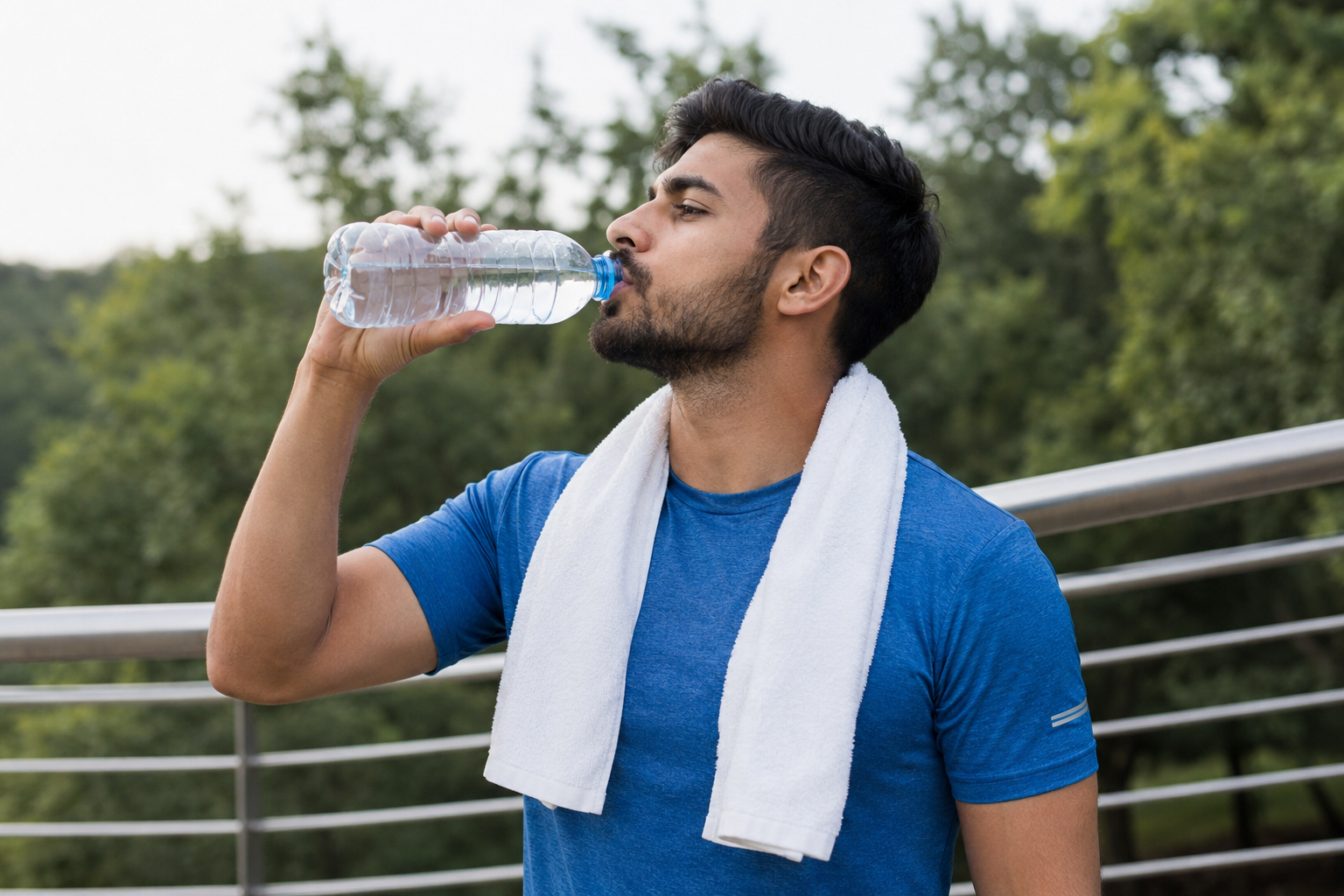
Water is one of the most important things your body needs during exercise. Whether you are doing strength training, running, cycling, or any other physical activity, staying hydrated helps your body perform better and recover faster. Many people focus on workout routines and nutrition but forget that proper hydration plays a major role in fitness success. Knowing how much water you should drink during exercise can help you maintain energy, avoid dehydration, and improve your overall performance.
Your body loses water through sweat when you exercise, especially during intense workouts or hot weather. If you do not replace the lost fluids, your performance can decrease, and you may experience tiredness, dizziness, muscle cramps, or difficulty completing your workout. The right amount of water depends on different factors such as exercise intensity, workout duration, climate, and your personal sweat rate.
Why Water Is Important During Exercise
Water supports almost every function in your body. During exercise, your muscles produce heat, and your body uses sweat to cool itself down. Sweat contains water and minerals, so losing too much fluid can affect your body’s ability to regulate temperature.
Proper hydration helps transport nutrients to your muscles, maintain blood circulation, and keep your joints working smoothly. When your body has enough water, your muscles can contract properly, and you can maintain better strength and endurance during workouts.
Even mild dehydration can negatively affect your exercise performance. A small loss of body water can make you feel more tired and reduce your ability to focus. This is why drinking enough water before, during, and after exercise is essential for anyone who wants better fitness results.
How Much Water Should You Drink Before Exercise
Hydration should start before your workout begins. Drinking enough water before exercise prepares your body for fluid loss and helps you start your workout with good energy levels.
A general recommendation is to drink around 16 to 20 ounces of water about two to three hours before exercising. You can also drink another 8 to 10 ounces about 15 to 30 minutes before starting your workout.
Your goal should be to begin exercise feeling hydrated, not thirsty. Thirst is often a sign that your body has already started losing fluids, so drinking water regularly throughout the day is a better approach than waiting until you feel thirsty.
How Much Water Should You Drink During Exercise
The amount of water you need during exercise depends on the type and length of your workout. For most people doing normal workouts, drinking small amounts of water regularly is enough.
A common guideline is to drink about 7 to 10 ounces of water every 10 to 20 minutes during exercise. For a workout lasting less than one hour, plain water is usually enough to replace the fluids lost through sweating.
If you are exercising for more than one hour, especially during intense training, long distance running, or outdoor activities in hot conditions, you may need more fluids. In these situations, sports drinks containing electrolytes can help replace minerals such as sodium and potassium that are lost through sweat.
However, drinking too much water too quickly is also not recommended. Excessive water intake can lead to a condition called hyponatremia, where sodium levels in the blood become too low. The key is to drink enough water to replace what your body loses without overdoing it.
Factors That Affect Your Water Needs
Everyone has different hydration needs. The amount of water required during exercise can change based on several factors.
Exercise Intensity
Hard workouts cause more sweating and increase your need for water. High intensity training, weightlifting sessions, and cardio workouts usually require more hydration compared to light activities.
Workout Duration
A short 30 minute workout may only require a few sips of water, while a two hour training session requires more careful hydration planning.
Weather Conditions
Hot and humid environments increase sweat loss. If you exercise outside during summer, you may need to drink more water compared to exercising in a cool indoor environment.
Body Size and Sweat Rate
Larger individuals usually lose more fluids during exercise. Some people naturally sweat more than others, so their water needs will be higher.
Type of Exercise
Activities like running, cycling, football, and outdoor sports often cause more fluid loss because they involve continuous movement. Strength training may require less water but still requires proper hydration.
Signs You Are Not Drinking Enough Water
Recognizing dehydration signs can help you take action before your workout performance suffers. Common signs of dehydration include:
Feeling extremely thirsty
Dry mouth
Low energy levels
Headache
Dizziness
Dark colored urine
Muscle cramps
Reduced workout performance
Feeling unusually tired during exercise
If you notice these signs, increase your fluid intake and make sure you are drinking water regularly throughout the day.
Should You Drink Water or Sports Drinks During Exercise
For most regular workouts, water is the best choice. It is simple, effective, and helps maintain hydration without adding unnecessary calories.
Sports drinks can be useful for athletes or people exercising for long periods because they contain electrolytes and carbohydrates that support energy levels. If you are training for a marathon, participating in intense sports, or exercising for several hours, an electrolyte drink may be beneficial.
However, many casual exercisers do not need sports drinks. Drinking them during short workouts can add extra sugar and calories that may not support your fitness goals.
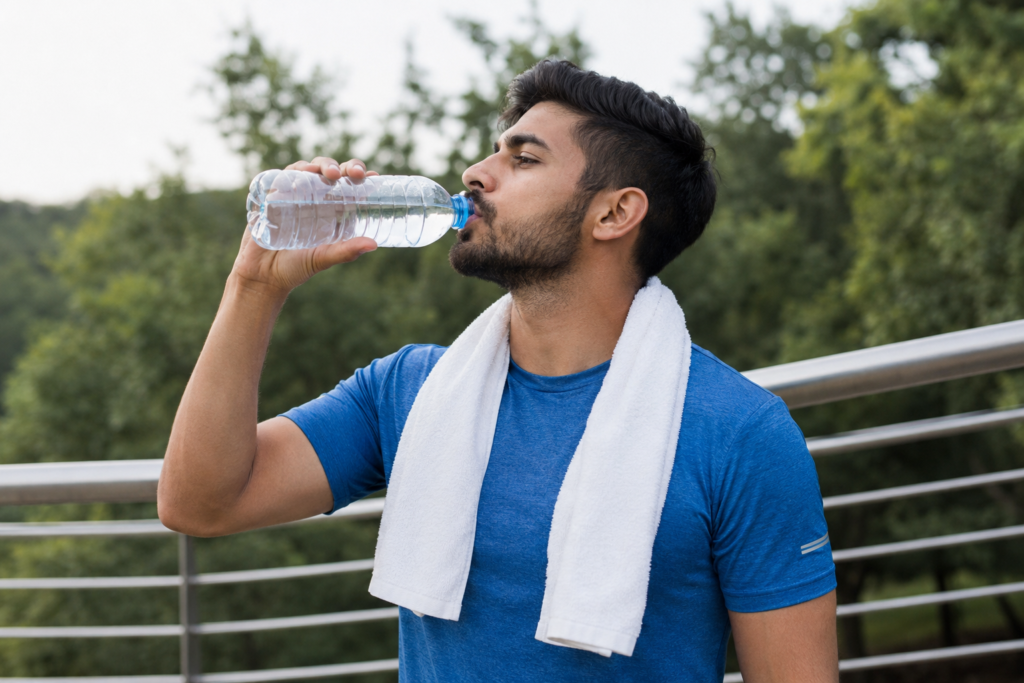
How Much Water Should You Drink After Exercise
Hydration does not stop when your workout ends. Your body continues recovering after exercise, and replacing lost fluids is important for muscle recovery and overall health.
After exercise, drink enough water to replace what you lost through sweat. A simple way to check your hydration level is to look at your urine color. Light colored urine usually indicates good hydration, while dark urine may mean you need more fluids.
For intense workouts with heavy sweating, adding electrolytes can help restore minerals and support recovery.
Tips to Stay Hydrated During Workouts
Keeping yourself hydrated does not have to be difficult. A few simple habits can make a big difference.
Carry a water bottle during workouts so water is always available.
Drink water regularly throughout the day instead of only during exercise.
Pay attention to your body’s thirst signals.
Increase water intake during hot weather.
Drink extra fluids after intense training sessions.
Eat water rich foods such as fruits and vegetables.
Avoid starting workouts when you are already dehydrated.
Common Hydration Mistakes During Exercise
Many people make mistakes that affect their workout performance. One common mistake is drinking water only when they feel thirsty. By that time, mild dehydration may already have started.
Another mistake is drinking too much water at once. Your body can only process a certain amount of fluid at a time, so small and regular amounts are better.
Some people also ignore hydration during winter workouts because they do not feel as sweaty. However, your body still loses fluids through breathing and sweat even in cooler temperatures.
Conclusion
Water plays a major role in exercise performance, energy levels, and recovery. The amount of water you should drink during exercise depends on your workout intensity, duration, environment, and personal needs. For most people, drinking small amounts of water regularly during exercise is enough to stay hydrated.
A good hydration routine includes drinking water before exercise, maintaining fluid intake during workouts, and replacing lost fluids afterward. By paying attention to your body and creating healthy hydration habits, you can improve your workouts and support your fitness goals.
Staying hydrated is a simple but powerful step toward better health, improved performance, and a stronger body.