Losing weight is not only about changing what you eat or how often you exercise. One of the biggest challenges is staying motivated during weight loss, especially when results take time. At the beginning, you may feel excited and ready to follow a healthy routine. However, after a few weeks, motivation can become weaker. Slow progress, busy days, cravings, and small setbacks can make you question your goals.
The good news is that motivation does not have to be perfect every day. The key is to build simple habits that help you continue even when you do not feel highly motivated. With realistic goals, a positive mindset, and a healthy routine, you can stay focused and make steady progress.
Set Realistic Weight Loss Goals
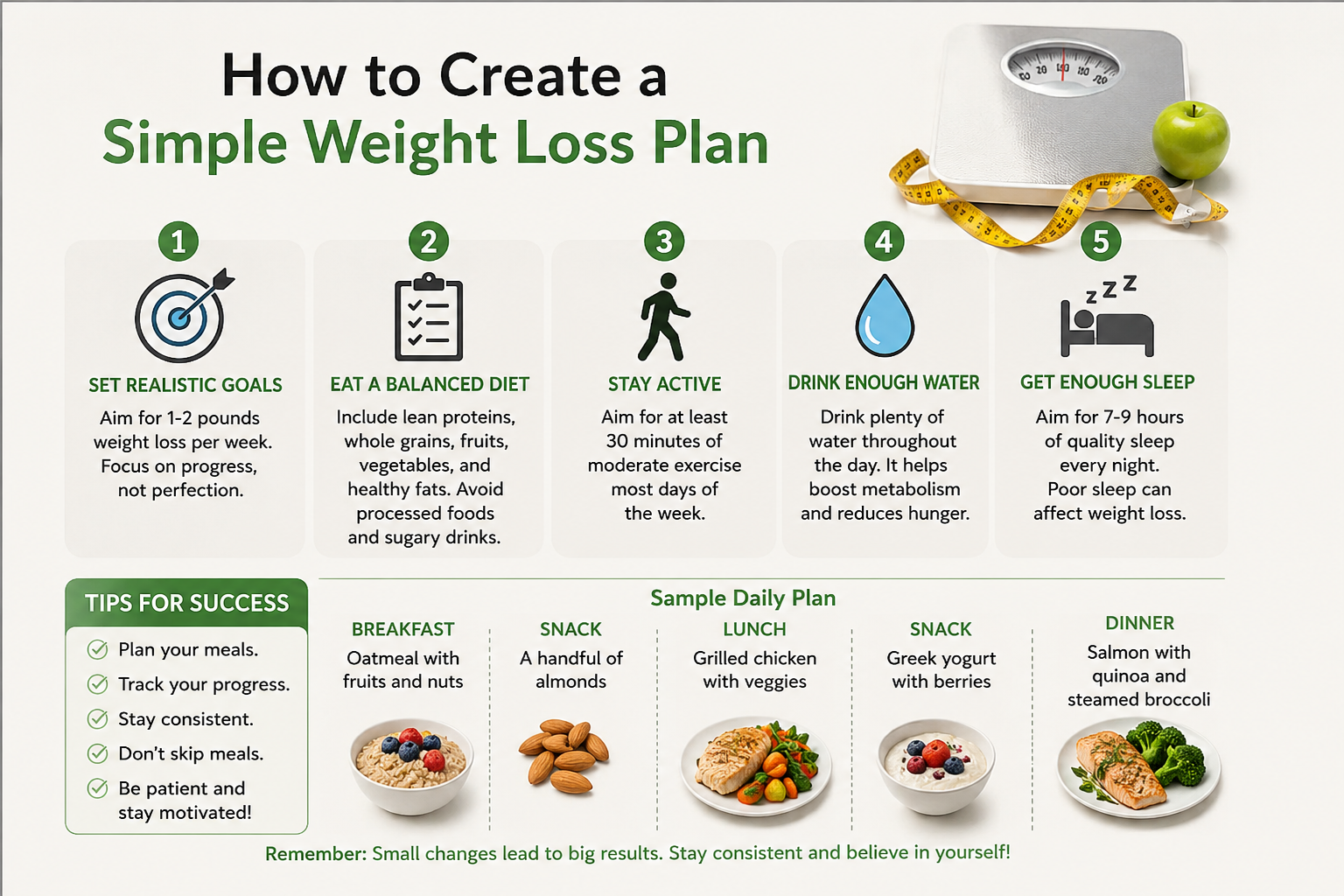
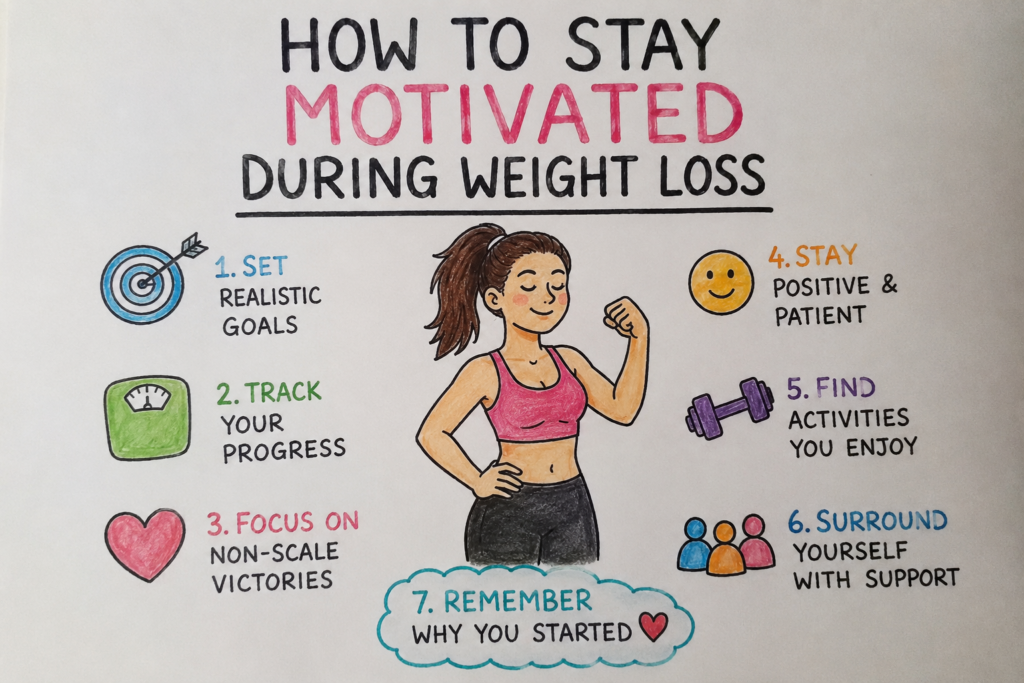
One of the best ways to stay motivated during weight loss is to set realistic goals. Many people expect to lose a large amount of weight quickly, but this can create unnecessary pressure. When the results do not happen as expected, motivation may decrease.
Instead of focusing only on a final weight goal, create smaller goals that are easier to achieve. For example, you can focus on following your meal plan for a week, exercising regularly, drinking enough water, or preparing healthy meals at home.
Small achievements can give you a sense of progress and encourage you to continue. Remember that healthy weight loss is usually a gradual process, so patience is important.
Focus on Your Daily Habits
Weight loss motivation becomes easier when you focus on what you can control today. Instead of thinking about how much weight you need to lose, concentrate on your daily actions.
Ask yourself simple questions such as whether you can eat a balanced breakfast, choose nutritious foods, take a walk, drink more water, or get enough sleep. These small decisions may seem unimportant individually, but they can create meaningful changes when repeated consistently.
Your daily habits are more important than trying to be perfect. A healthy lifestyle is built through regular actions over time.
Track Your Progress
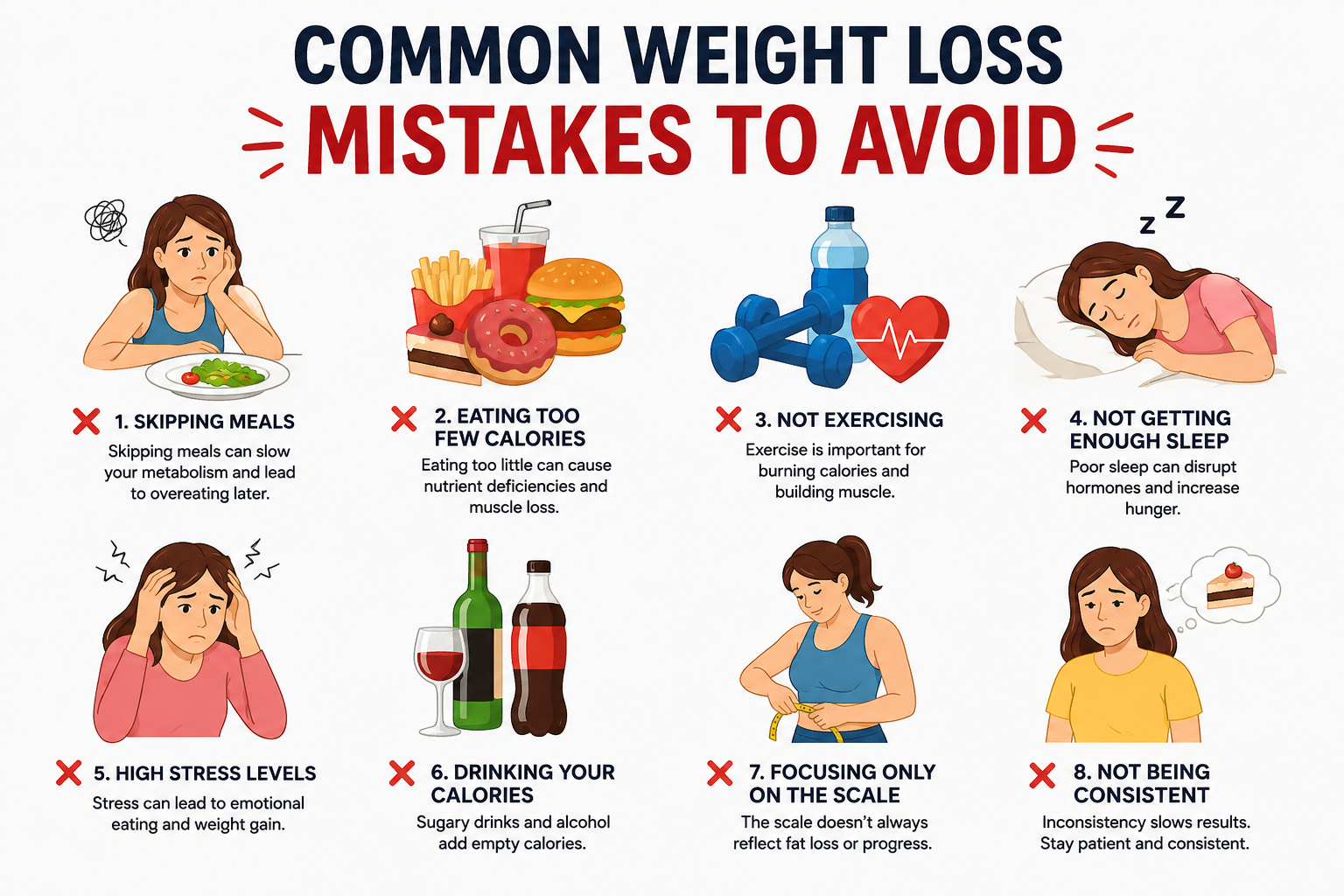
Tracking your progress can help you stay motivated during weight loss. Many people only look at the number on the weighing scale, but weight is not the only way to measure success.
You can keep a record of your workouts, meals, water intake, energy levels, or waist measurements. You can also notice changes in how your clothes fit or how easily you complete physical activities.
Keeping a simple journal can show you how far you have come. When progress feels slow, looking back at your earlier achievements can remind you that your efforts are making a difference.
Do Not Depend Only on the Scale
The weighing scale can be useful, but it should not control your motivation. Body weight can change because of water, food, digestion, activity, and other normal factors. A temporary increase does not always mean that you have failed.
Instead, pay attention to several signs of progress. You may have more energy, better fitness, improved eating habits, or greater confidence. You may also find that activities that were difficult before are becoming easier.
When you measure progress in different ways, you are less likely to become discouraged by normal changes in body weight.
Create a Workout Routine You Enjoy
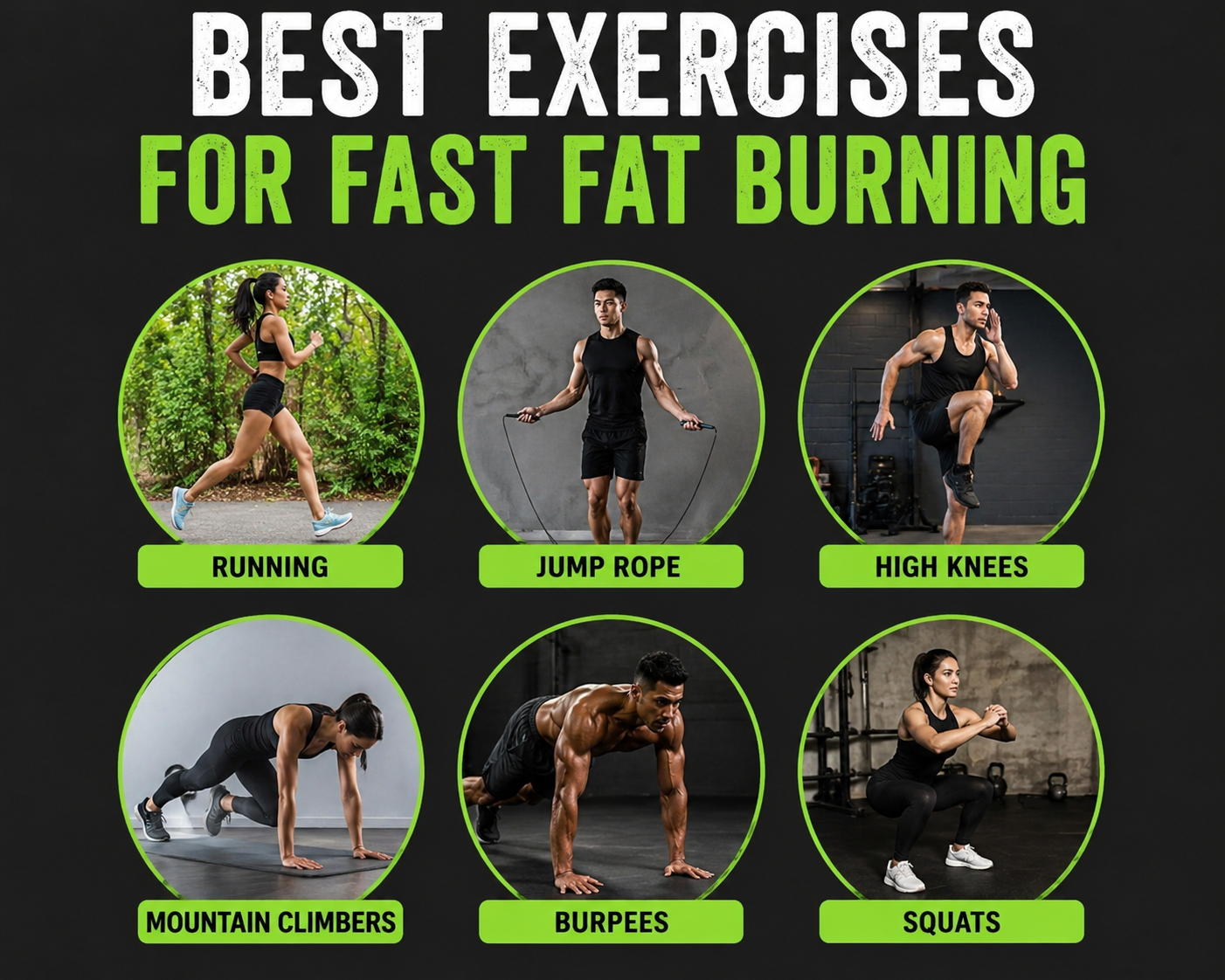
Exercise can support weight loss, but it does not have to feel like punishment. Finding physical activities that you enjoy can make it easier to stay motivated.
You could try walking, cycling, dancing, swimming, strength training, home workouts, or another activity that fits your lifestyle. If you enjoy your workout, you are more likely to continue doing it.
Start with a manageable routine instead of doing too much at once. A short workout that you complete consistently can be more useful than an intense routine that makes you feel exhausted and causes you to quit.
Make Healthy Eating Simple
A complicated diet can make weight loss feel difficult. You do not need to create a perfect meal every day. Instead, focus on simple and balanced food choices that you can maintain for the long term.
Include foods such as vegetables, fruits, whole grains, lean protein sources, and other nutritious foods that fit your needs. Planning meals in advance can also reduce the temptation to choose unhealthy foods when you are hungry or busy.
Try to think of healthy eating as a lifestyle rather than a temporary restriction. When your eating habits are realistic, staying motivated becomes easier.
Celebrate Small Wins
Celebrating small wins can give you a reason to keep going. You do not need to wait until you reach your final weight goal to feel proud of yourself.
Maybe you completed several workouts in a week, cooked healthy meals at home, drank more water, or avoided giving up after a difficult day. These are meaningful achievements.
Reward yourself in healthy ways. You could watch a favorite movie, spend time with friends, buy something useful, or enjoy a relaxing activity. Recognizing your progress can make the weight loss journey more positive.
Learn How to Handle Setbacks
Everyone experiences setbacks during weight loss. You may eat more than planned at a social event, skip a workout, or have a few unhealthy meals. One difficult day does not erase your progress.
The important thing is how you respond. Avoid thinking that you have completely failed. Instead, identify what happened and return to your normal routine at the next opportunity.
A setback can also teach you something. Perhaps you need better meal preparation, more flexible food choices, or a different workout schedule. Learning from mistakes can make your plan stronger.
Find Support
Having support can make a major difference when trying to stay motivated during weight loss. Share your goals with people who encourage you and respect your efforts.
You might exercise with a friend, prepare healthy meals with family members, or join a supportive fitness community. Having someone to talk to can make the journey feel less difficult.
Support is especially helpful during periods when motivation is low. Sometimes a little encouragement can help you take the next step.
Remember Why You Started
When motivation decreases, remind yourself why you wanted to lose weight in the first place. Your reason could be improving your fitness, feeling more energetic, becoming more active, improving your confidence, or developing healthier habits.
Write your reasons somewhere you can see them regularly. Your motivation may change over time, but remembering your personal reasons can help you stay focused.
Try to think beyond appearance. Building healthier habits can improve many areas of your life and help you feel stronger and more capable.
Build a Routine That Fits Your Life
A weight loss plan should work with your lifestyle instead of making your entire life stressful. If you have a busy schedule, choose workouts and meals that are realistic for your daily routine.
You do not need to exercise for hours or prepare complicated recipes every day. Simple choices can work well. Taking a walk after work, preparing meals ahead of time, keeping healthy snacks available, and maintaining a regular sleep schedule can all support your goals.
The best weight loss routine is one that you can maintain for a long time.
Practice Patience and Consistency
One of the most important weight loss motivation tips is to practice patience. Results may not always appear quickly. There may be weeks when progress feels slow, but that does not mean your efforts are useless.
Consistency is more important than perfection. If you follow healthy habits most of the time and continue after difficult days, you give yourself a better chance of reaching your goals.
Think about weight loss as a long term lifestyle change rather than a short challenge. Your goal is not simply to lose weight but to develop habits that support your health over time.
Conclusion
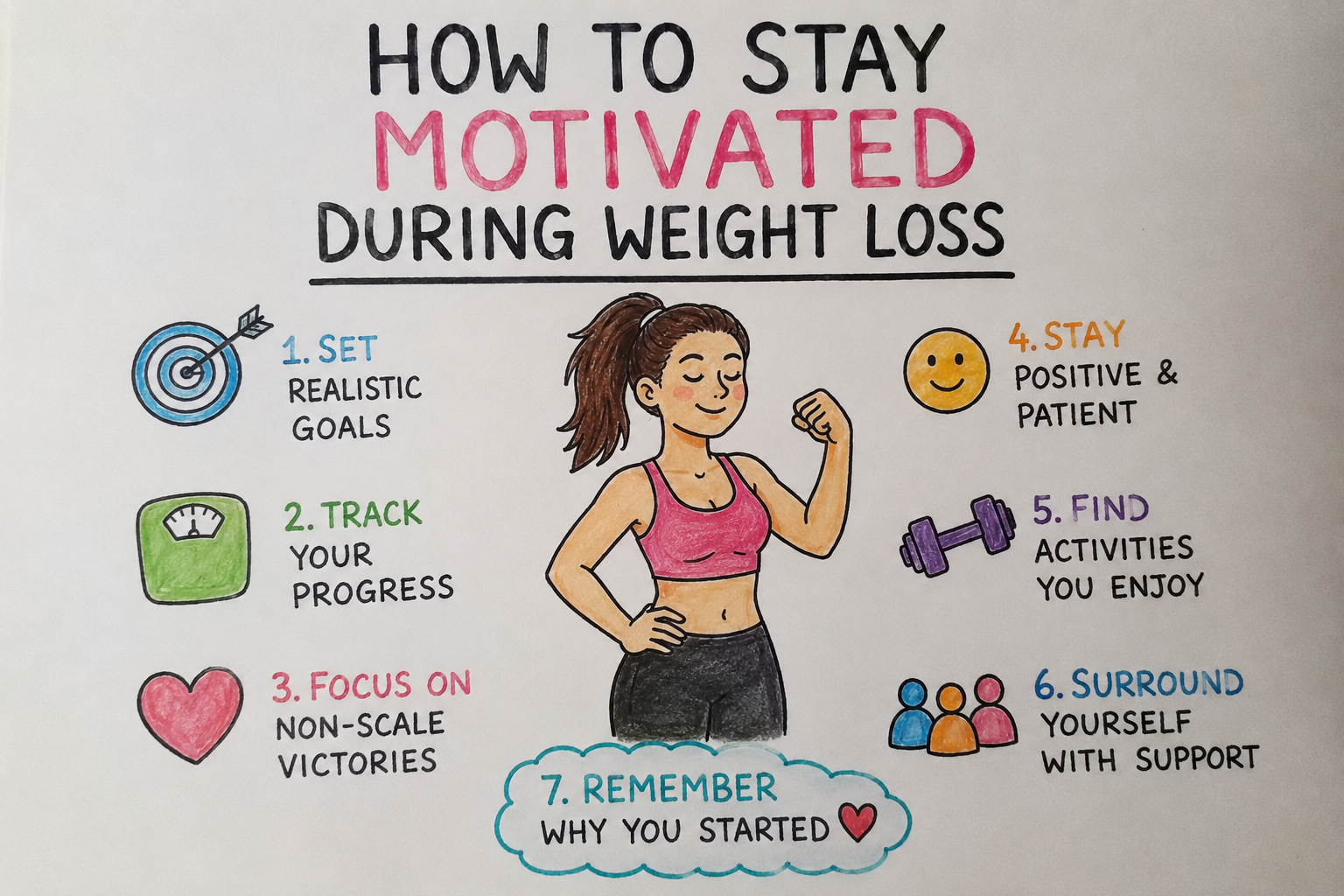
Learning how to stay motivated during weight loss can make the entire journey easier and more sustainable. Set realistic goals, focus on daily habits, track different types of progress, choose enjoyable exercise, and keep healthy eating simple. Most importantly, do not let temporary setbacks convince you that you have failed.
Motivation naturally changes from day to day. You do not need to feel motivated all the time. Instead, create routines that help you continue even when motivation is low. Celebrate small wins, learn from setbacks, and remember why you started.
With patience, consistency, and a realistic approach, you can stay focused on your weight loss goals and build healthier habits that can last for years.