
Building muscle strength and endurance is an important goal for anyone who wants to improve fitness, perform better in daily activities, or develop a stronger and healthier body. Strength helps your muscles produce force, while muscular endurance allows your muscles to continue working for longer periods without becoming tired quickly. When you work on both areas, you can improve physical performance and make your workouts more effective.
The good news is that increasing muscle strength and endurance does not always require expensive equipment or complicated training programs. With regular exercise, proper nutrition, enough rest, and a consistent approach, you can gradually make your muscles stronger and more capable of working for longer periods.
Understand Muscle Strength and Endurance
Before creating a workout routine, it is helpful to understand the difference between muscle strength and muscular endurance. Muscle strength refers to the maximum force your muscles can produce during an exercise. For example, lifting a heavy weight for a few repetitions requires muscle strength.
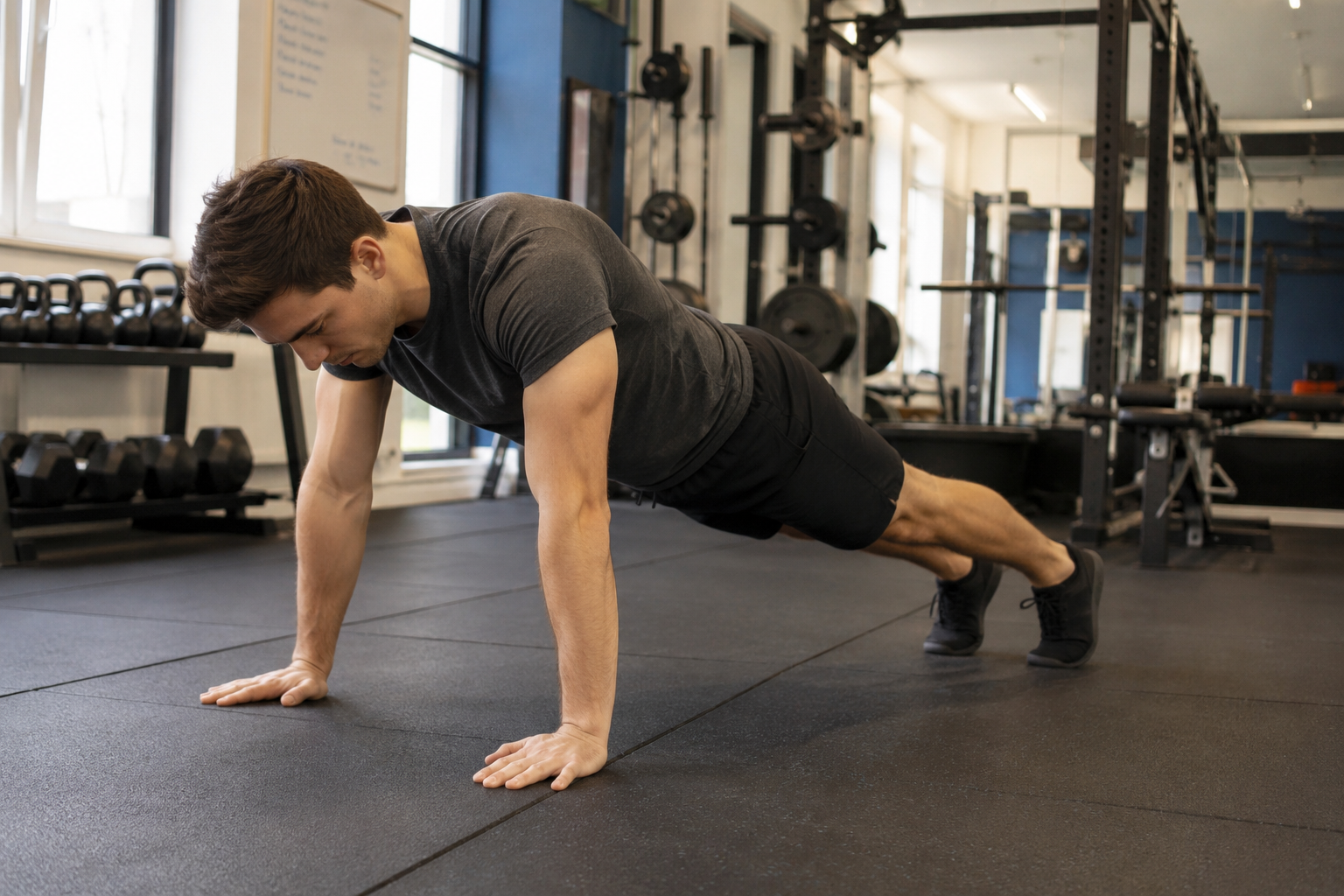
Muscular endurance is the ability of your muscles to perform repeated movements or hold a position for an extended period. Exercises such as bodyweight squats, push ups, lunges, and planks can help develop muscular endurance when performed for multiple repetitions or longer durations.
A balanced fitness program should include exercises that improve both strength and endurance. Focusing on only one area may limit your overall physical development.
Start With Strength Training
Strength training is one of the most effective ways to increase muscle strength. Resistance causes your muscles to work harder than they normally would, which encourages them to adapt and become stronger over time.
You can use dumbbells, resistance bands, machines, barbells, or your own body weight. Beginners can start with simple exercises such as squats, push ups, lunges, rows, glute bridges, and planks.
Start with a level that allows you to perform each exercise with proper form. As your body becomes stronger, gradually increase the resistance or difficulty. This process is known as progressive overload and is an important part of muscle strength development.

Use Progressive Overload
Progressive overload means gradually increasing the demands placed on your muscles. Your body adapts when it regularly faces a suitable challenge. If you continue doing exactly the same workout with the same resistance and repetitions, your progress may eventually slow down.
You can apply progressive overload in several ways. You can increase the weight, perform more repetitions, add another set, improve your exercise range of motion, or reduce rest periods when appropriate.
The key is to make small and controlled changes instead of increasing the workload too quickly. Giving your muscles time to adapt can help support steady progress and reduce the risk of unnecessary strain.
Include Compound Exercises
Compound exercises work multiple muscle groups at the same time. They are useful for improving overall strength because they allow you to train several areas of the body during one movement.
Examples include squats, deadlifts, push ups, pull ups, rows, lunges, and overhead presses. These exercises can improve coordination and help build strength that is useful for everyday activities.
Beginners should focus on learning correct movement patterns before attempting heavy resistance. Good technique is more important than lifting a large amount of weight.
Train for Muscular Endurance
If your goal is to increase muscle endurance, include workouts that involve moderate resistance and higher repetitions. Muscular endurance training teaches your muscles to continue working even when they begin to feel tired.
Bodyweight exercises are a convenient way to train endurance. You can perform sets of squats, lunges, push ups, mountain climbers, or step ups. Circuit training can also be useful because it allows you to move between different exercises with limited rest.
However, endurance training should still be performed with proper technique. Performing many repetitions with poor form can reduce the quality of your workout.
Improve Your Cardiovascular Fitness
Although muscle endurance and cardiovascular endurance are different, they can support each other. Activities such as walking, jogging, cycling, swimming, and rowing improve your ability to sustain physical activity.
Better cardiovascular fitness can help you recover between sets and maintain energy during longer workouts. If you are new to exercise, start with manageable sessions and gradually increase the duration and intensity.
A combination of strength training and cardiovascular exercise can create a more complete fitness routine.
Follow a Consistent Workout Routine
Consistency is one of the most important factors when trying to increase muscle strength and endurance. A single hard workout will not create lasting results. Your body needs repeated training over weeks and months to adapt.
Try to establish a realistic exercise schedule that fits your lifestyle. Training several times each week can be effective when combined with proper recovery.
Avoid creating a routine that is so difficult that you cannot maintain it. A simple workout plan that you follow consistently is often more useful than an advanced plan that you frequently skip.
Eat Enough Protein
Nutrition plays an important role in muscle development and recovery. Protein provides amino acids that your body uses to repair and maintain muscle tissue.
Good protein sources include eggs, chicken, fish, lean meat, milk, yogurt, cottage cheese, beans, lentils, and other protein rich foods. Including protein in your meals throughout the day can help support your fitness goals.
Your overall diet should also include carbohydrates, healthy fats, fruits, vegetables, and enough fluids. Carbohydrates provide energy for exercise, while healthy fats support important body functions.
Stay Hydrated
Water is essential for normal physical performance. During exercise, your body loses fluids through sweating, particularly in hot or humid conditions.
Drinking enough water throughout the day can support your workout performance and recovery. Drink regularly rather than waiting until you become very thirsty.
Your fluid needs can vary depending on exercise intensity, duration, weather, body size, and individual factors. During longer or more intense workouts, paying attention to hydration becomes especially important.
Give Your Muscles Enough Rest
Rest is an important part of building muscle strength and endurance. Muscles need time to recover after challenging workouts. Training hard every day without adequate recovery can make you feel tired and may reduce workout quality.
Try to get enough sleep each night and include rest or lighter activity in your weekly routine. Different muscle groups can also be trained on different days to provide recovery time.
Recovery does not mean you have to remain completely inactive. Light walking, stretching, and easy movement can be useful between demanding workouts.
Focus on Proper Exercise Technique
Correct exercise form should always be a priority. Good technique helps you use the intended muscles effectively and can reduce unnecessary stress on your joints.
If you are learning a new exercise, start with a lighter resistance and practice the movement. Once you can perform the exercise comfortably with good control, you can gradually increase the challenge.
Avoid using momentum to complete repetitions. Controlled movements can make exercises more effective and help you maintain better awareness of your body.
Track Your Progress
Tracking your workouts can help you understand whether your strength and endurance are improving. You can record exercises, sets, repetitions, resistance, workout duration, and how you felt during each session.
For example, if you can perform ten push ups today and gradually reach twenty with good form, that is measurable progress. Similarly, increasing the weight you can lift safely is a sign of improved strength.
Progress does not always happen quickly. Some weeks may feel easier than others. Focus on long term improvement rather than expecting dramatic changes after a few workouts.
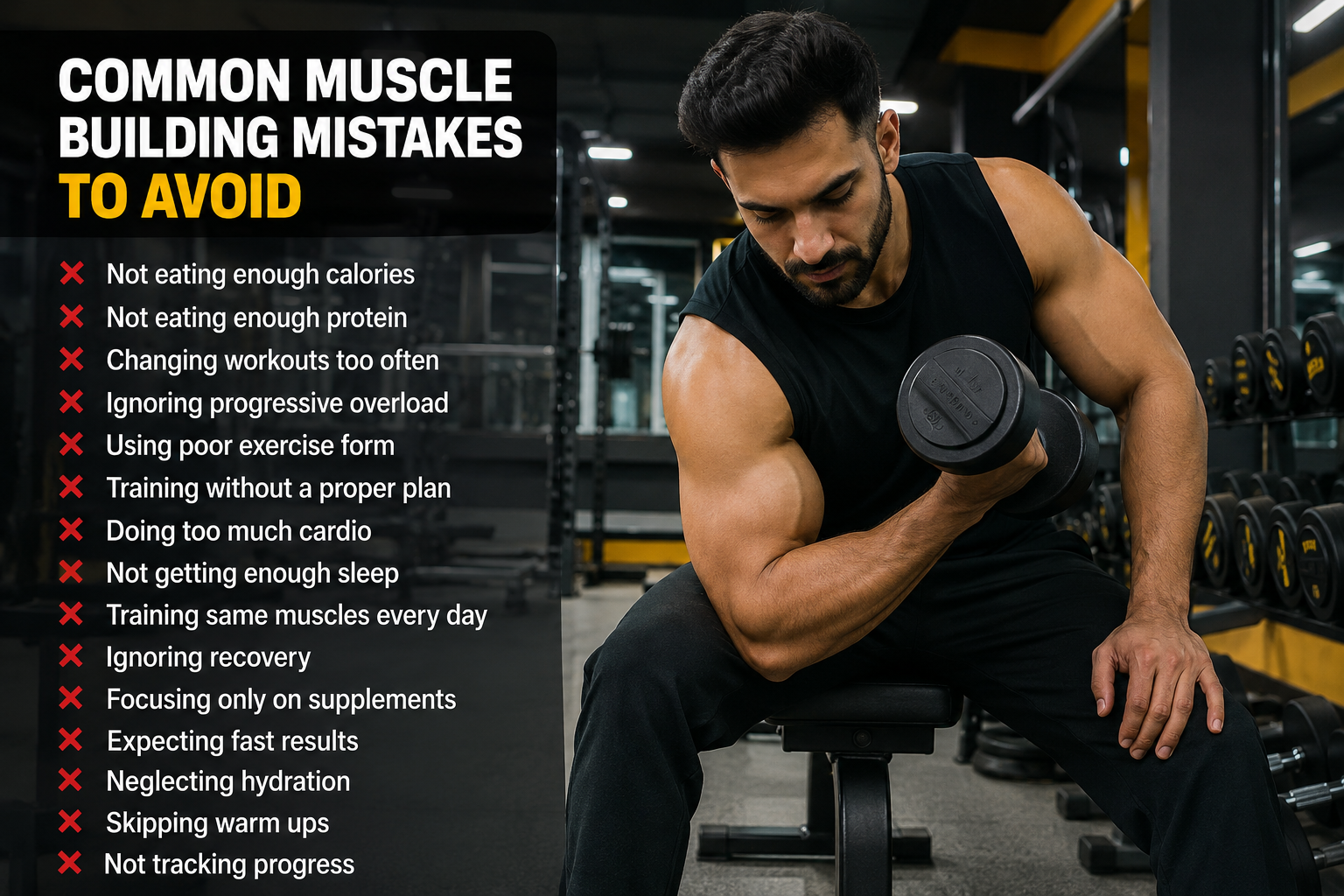
Avoid Common Training Mistakes
One common mistake is trying to increase resistance too quickly. Muscles may become stronger faster than your technique and supporting tissues can adapt, so patience is important.
Another mistake is ignoring recovery. More exercise is not always better. Your body needs appropriate rest, nutrition, and sleep to adapt to training.
Skipping warm ups can also be unhelpful. A few minutes of light movement followed by exercise specific preparation can help you get ready for a workout.
Finally, avoid comparing your progress with other people. Fitness development depends on many factors, including training history, lifestyle, nutrition, sleep, and individual differences.
Conclusion
Learning how to increase muscle strength and endurance requires a combination of strength training, endurance exercises, proper nutrition, hydration, recovery, and consistency. Start with exercises you can perform safely and focus on building good habits.
Use progressive overload to gradually challenge your muscles, include compound movements, train muscular endurance with suitable repetitions, and support your workouts with enough protein and nutritious foods. Most importantly, give your body enough time to recover.
With patience and regular effort, you can build stronger muscles, improve endurance, increase physical performance, and develop a healthier and more active lifestyle. The goal is not to achieve everything in a few days but to make steady progress that you can maintain for the long term.