Strength training is one of the best ways to improve overall fitness, build stronger muscles, and support a healthy and active lifestyle. Many beginners think strength training is only for athletes or experienced gym users, but that is not true. Anyone can start strength training with simple exercises and gradually improve their strength over time.
The best strength training exercises for beginners are usually simple movements that work several muscles at once. These exercises can be performed at home or in a gym, depending on your available equipment and fitness goals. The most important thing is to learn proper exercise form, start with a comfortable level, and stay consistent.
What Is Strength Training?
Strength training is a type of exercise that makes your muscles work against resistance. The resistance can come from your own body weight, dumbbells, resistance bands, machines, or other equipment.
Regular strength training can help increase muscle strength, improve balance, support healthy bones, and make everyday activities easier. It can also help you develop better body control and physical confidence.
For beginners, there is no need to start with heavy weights. Learning the correct movement and developing good exercise habits should come first.
1. Bodyweight Squats
Bodyweight squats are one of the best strength training exercises for beginners because they are simple and require no equipment. Squats mainly work the legs and hips while also engaging the core.
To perform a bodyweight squat, stand with your feet about shoulder width apart. Keep your chest lifted and slowly bend your knees while pushing your hips backward. Lower your body as far as you can comfortably while keeping your back in a natural position. Then push through your feet to return to the starting position.
Beginners can start with 8 to 12 repetitions for two or three sets. Focus on controlled movement instead of trying to complete the exercise quickly.
2. Wall Push Ups
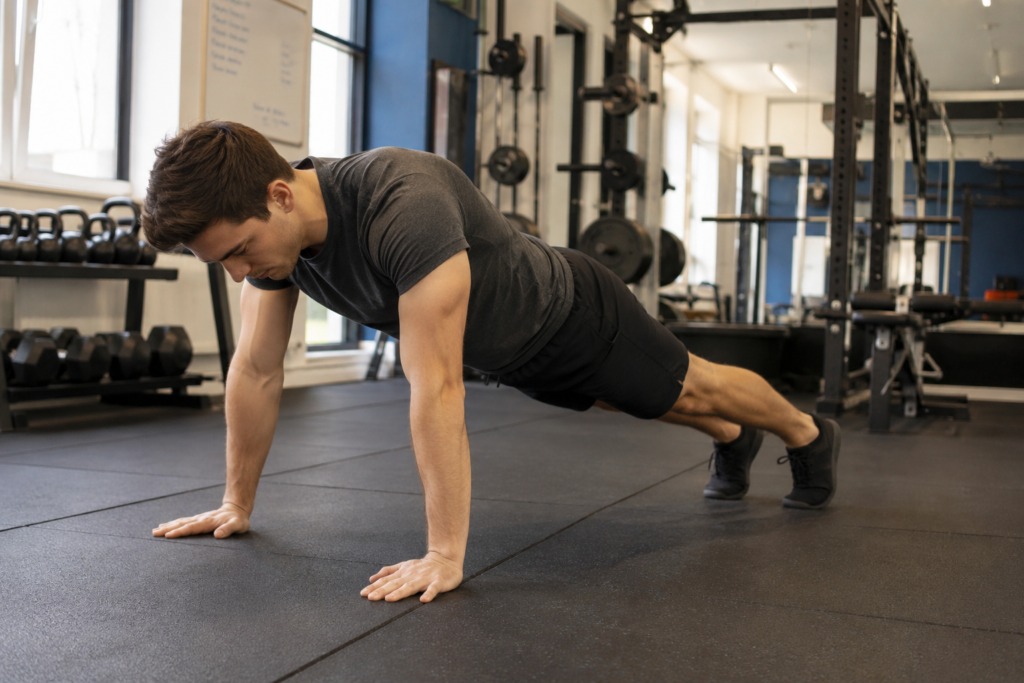
Push ups are excellent for building upper body strength, but traditional push ups may feel difficult when you are just starting. Wall push ups are an easier variation that allows beginners to develop strength gradually.
Stand facing a wall and place your hands on it slightly wider than your shoulders. Step backward a little and keep your body straight. Bend your elbows and bring your chest toward the wall. Then push yourself back to the starting position.
As your strength improves, you can move from wall push ups to incline push ups and eventually regular push ups.
3. Glute Bridges
Glute bridges are a useful beginner exercise for strengthening the hips, glutes, and core. Strong glute muscles can also support better movement during other exercises.
Lie on your back with your knees bent and your feet flat on the floor. Keep your arms beside your body. Slowly lift your hips toward the ceiling while squeezing your glutes. Pause briefly at the top and then lower your hips in a controlled way.
Try 10 to 15 repetitions per set. Avoid using momentum and focus on controlling the movement throughout the exercise.
4. Dumbbell Rows
Dumbbell rows are one of the best strength training exercises for beginners who want to develop their back and arm muscles. If you do not have dumbbells, you can begin with light household objects that are safe and easy to hold.
Hold a light dumbbell in one hand. Bend slightly at your hips while keeping your back in a comfortable natural position. Pull the dumbbell toward your waist while keeping your elbow close to your body. Slowly lower the weight and repeat.
Start with a light weight that allows you to maintain proper form. You can perform 8 to 12 repetitions on each side.
5. Standing Shoulder Press
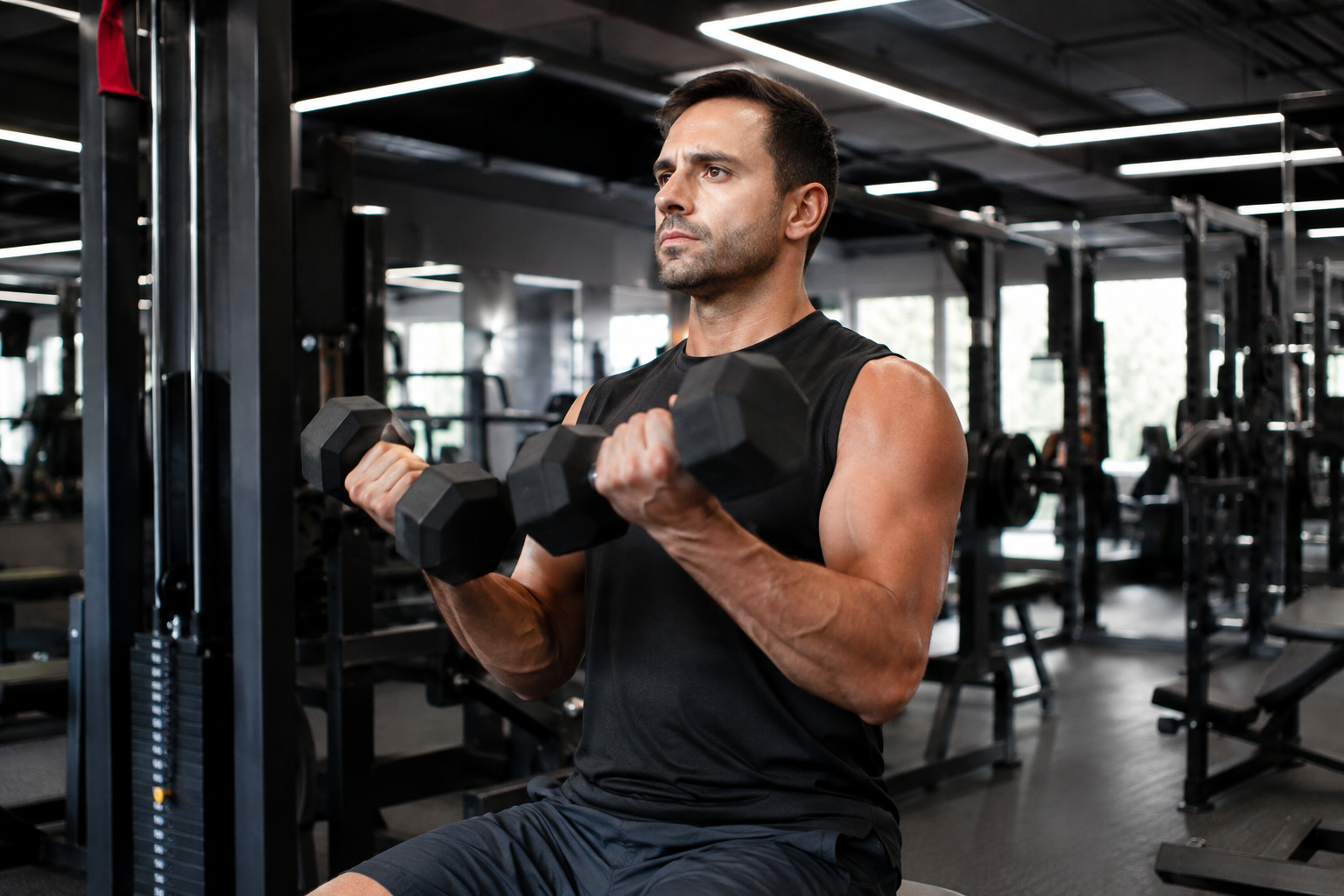
The standing shoulder press helps strengthen the shoulders and arms while also requiring your core to stay stable. Beginners should use light weights and concentrate on smooth movement.
Stand with your feet comfortably apart and hold a light dumbbell in each hand at shoulder level. Press the weights upward until your arms are extended without locking your elbows aggressively. Slowly bring the weights back to shoulder height.
Perform 8 to 12 repetitions. Keep your movements controlled and avoid using your legs to push the weights upward.
6. Step Ups
Step ups are a simple lower body exercise that can help improve leg strength, balance, and coordination. You can perform them using a stable platform or a low step.
Place one foot on the step and push through that foot to bring your other leg upward. Step down carefully and repeat on the opposite side.
Choose a low and stable surface when you are beginning. Perform 8 to 10 repetitions per leg and increase the number gradually as you become more comfortable.
7. Bird Dog
Bird dog is a beginner friendly exercise that focuses on core stability, balance, and coordination. It does not require equipment and can be included in almost any beginner workout routine.
Start on your hands and knees with your hands under your shoulders and knees under your hips. Slowly extend one arm forward while extending the opposite leg backward. Hold the position briefly and then return to the starting position. Repeat on the other side.
Try 6 to 10 controlled repetitions on each side. Keep your hips stable and avoid rotating your body.
8. Plank
The plank is a popular exercise for strengthening the core. A strong core can help support good posture and improve performance during many other strength exercises.
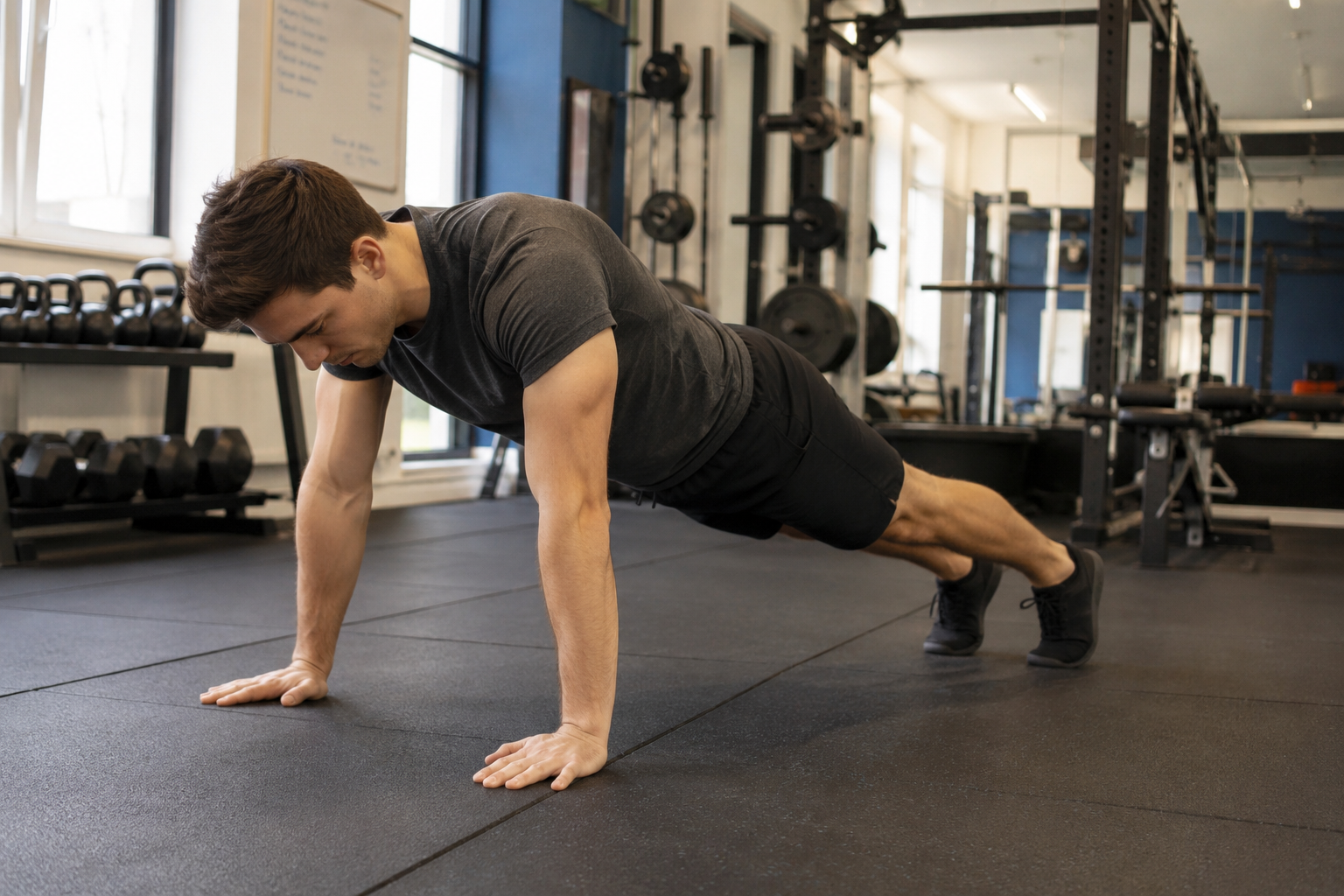
Beginners can start with a modified plank by keeping their knees on the floor. If that becomes comfortable, progress to a full plank with your body supported by your hands or forearms and toes.
Keep your body in a straight line and tighten your abdominal muscles. Start by holding the position for 15 to 30 seconds. Gradually increase the time as your core becomes stronger.
9. Lunges
Lunges are another effective lower body exercise that works the legs and glutes. They can also challenge your balance and coordination.
Stand upright and take a comfortable step forward with one leg. Bend both knees while lowering your body toward the floor. Push through the front foot to return to the starting position and then switch sides.
Beginners can use stationary lunges if moving lunges feel difficult. Start with 6 to 10 repetitions per leg and focus on maintaining balance and proper posture.
10. Resistance Band Pull Aparts
Resistance band pull aparts are useful for strengthening the upper back and shoulders. They are especially convenient for beginners because resistance bands are lightweight and easy to store.
Hold a resistance band in front of your body with both hands. Keep your arms extended and slowly pull the band apart until your hands move away from each other. Return to the starting position with control.
Use a light resistance band at first. Perform around 10 to 15 repetitions while keeping your shoulders relaxed.
How Often Should Beginners Do Strength Training?
Beginners can usually start with strength training two or three times per week. Allowing time for recovery between workouts is important because muscles need time to adapt.
A beginner workout does not need to be very long. A session of around 30 to 45 minutes can be enough when it includes several basic movements performed with good technique.
For example, a simple workout could include squats, wall push ups, glute bridges, dumbbell rows, shoulder presses, and planks. As your fitness level improves, you can gradually increase resistance, repetitions, or sets.
How to Progress With Strength Training
Progress is an important part of building strength. Once an exercise becomes easy, you can slowly make it more challenging. You might increase the number of repetitions, add another set, use slightly heavier weights, or choose a more difficult variation.
However, progress should be gradual. Increasing resistance too quickly can make it harder to maintain proper form.
Keep track of your workouts so you can see how your strength improves over time. Even small improvements can help you stay motivated.
Common Beginner Mistakes to Avoid
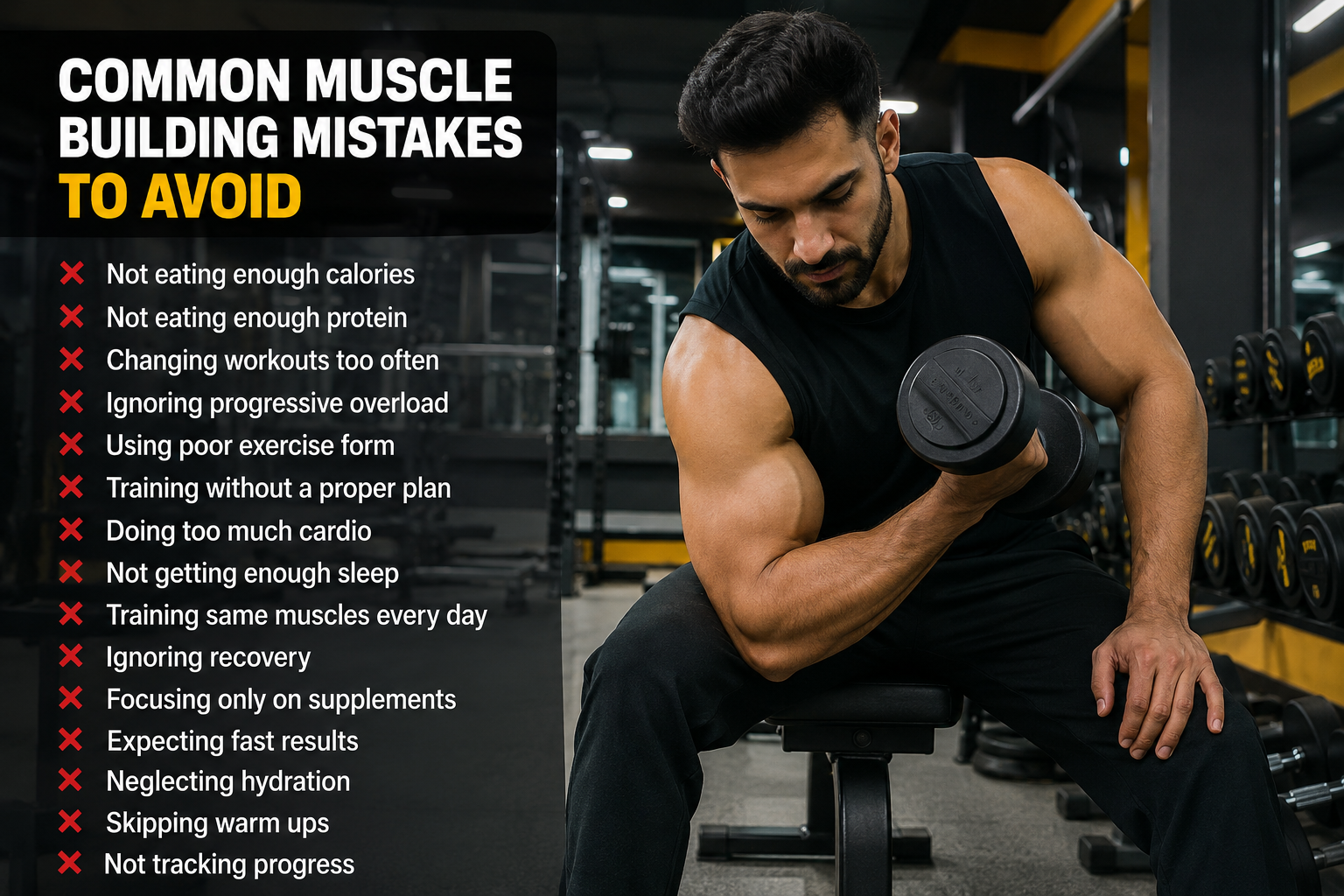
One common mistake is trying to lift too much weight too soon. Heavy weights are not necessary when you are learning basic movements. Proper form should always come before heavier resistance.
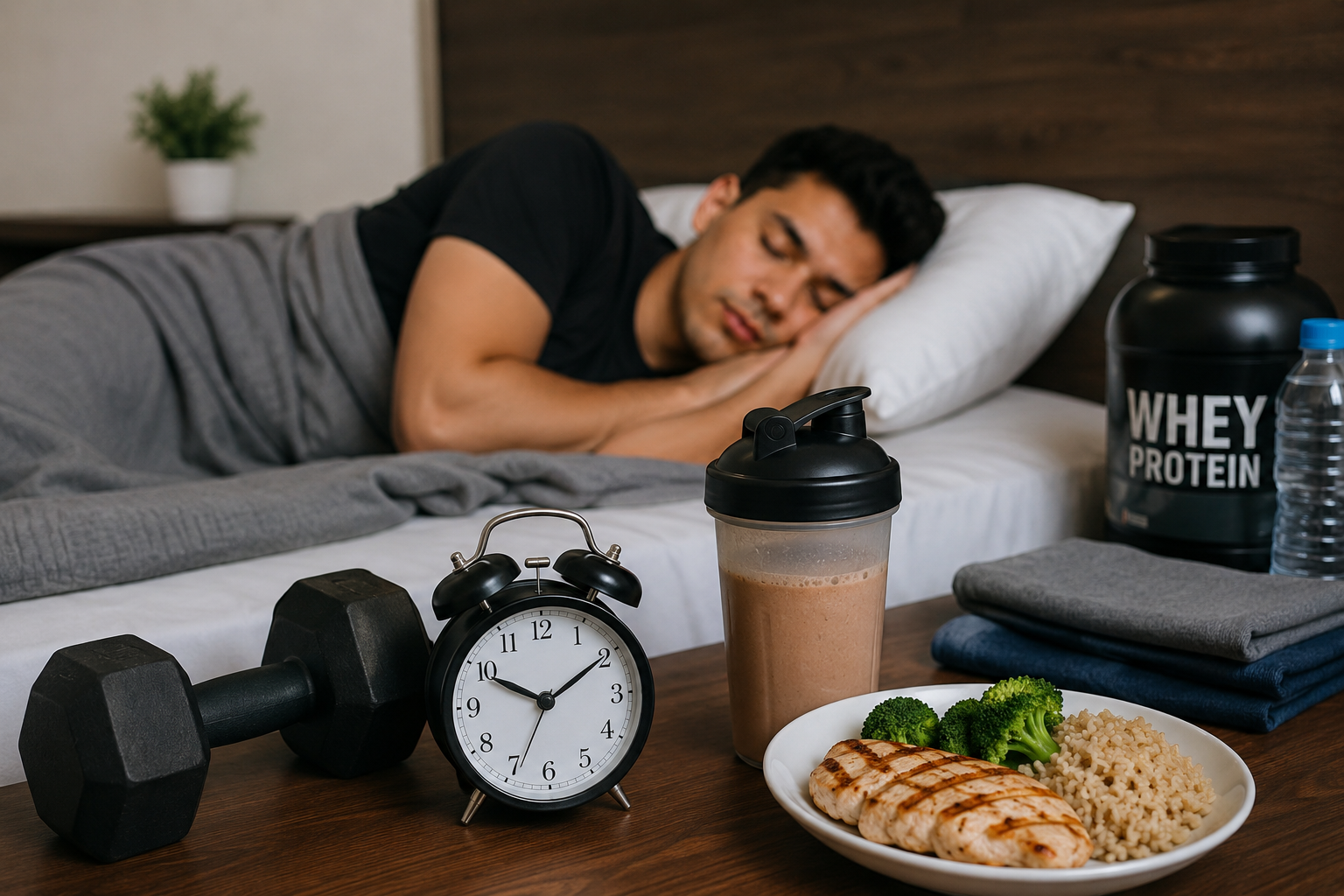
Another mistake is exercising every day without allowing enough recovery. Strength training places stress on the muscles, and rest helps your body adapt.
Beginners should also avoid rushing through repetitions. Slow and controlled movements can make it easier to maintain good technique and understand how the muscles are working.
Finally, do not compare your progress with someone else. Everyone starts at a different fitness level. Focus on improving your own strength and consistency.
Final Thoughts
The best strength training exercises for beginners are simple, practical, and easy to progress. Bodyweight squats, wall push ups, glute bridges, dumbbell rows, shoulder presses, step ups, bird dogs, planks, lunges, and resistance band pull aparts can provide a strong foundation for a complete beginner workout.
You do not need expensive equipment or complicated routines to start building strength. Begin with exercises that match your current ability, learn proper form, and increase the challenge gradually. With regular practice and enough recovery, strength training can become an important part of a healthy and active lifestyle.
The key is consistency. A simple workout performed regularly is often more valuable than an advanced routine that you cannot maintain. Start where you are, focus on good technique, and give yourself time to become stronger.