Many people believe that exercise alone is the key to achieving fitness goals, but the food you eat plays an equally important role in improving workout results. Whether your goal is building muscle, losing fat, increasing strength, or improving overall health, a balanced diet provides the fuel your body needs to perform better. Healthy eating is not only about reducing unhealthy foods. It is about giving your body the right nutrients at the right time so you can train harder, recover faster, and maintain long term progress.
When you exercise, your body uses energy stored from the foods you eat. If your diet does not provide enough nutrients, your performance can decrease, your recovery may become slower, and you may struggle to achieve your fitness goals. A healthy eating plan supports your workouts by providing essential carbohydrates, proteins, healthy fats, vitamins, minerals, and enough hydration.
The Connection Between Healthy Eating and Workout Performance
Your body works like a machine, and food acts as the fuel that keeps it running. During exercise, your muscles require energy to complete different movements. The quality of your diet directly affects how much energy you have during workouts.
Eating nutritious foods helps maintain stable energy levels throughout the day. Complex carbohydrates such as oats, brown rice, sweet potatoes, fruits, and vegetables provide a steady supply of energy that helps you stay active during exercise. Unlike sugary foods that provide quick energy followed by sudden tiredness, healthy carbohydrates support longer and more effective workouts.
When your body receives proper nutrition, you may notice improvements in strength, endurance, focus, and motivation. A well balanced diet allows you to push yourself during training sessions without feeling exhausted too quickly.
Protein Helps Build and Repair Muscles
Protein is one of the most important nutrients for anyone who exercises regularly. During workouts, especially strength training, small tears occur in muscle fibers. Your body uses protein to repair these muscles and make them stronger.
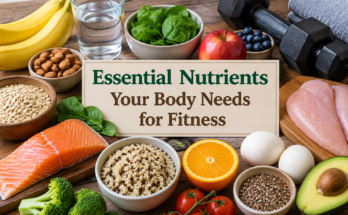
Foods rich in protein include chicken, fish, eggs, beef, mutton, milk, yogurt, lentils, beans, nuts, and seeds. Including enough protein in your daily meals supports muscle growth and faster recovery after exercise.
Many fitness lovers focus only on lifting heavier weights but forget that muscle growth happens during recovery. Without enough protein, your body may struggle to repair damaged muscles, which can slow down progress.
A protein rich diet also helps maintain muscle while losing body fat. This is why healthy eating is important for people who want a lean and strong body.
Healthy Carbohydrates Provide Workout Energy
Carbohydrates often receive a negative reputation, but they are an essential part of a healthy fitness diet. Your body converts carbohydrates into glucose, which is used as energy during physical activity.
Before a workout, eating healthy carbohydrates can improve performance by giving your muscles the energy they need. Foods such as bananas, whole grain bread, oatmeal, rice, and fruits are excellent sources of workout fuel.
Low carbohydrate intake may lead to tiredness, weakness, and reduced exercise performance. While every person has different nutritional needs, completely avoiding carbohydrates can make it harder to maintain intense workouts.
The key is choosing high quality carbohydrates instead of processed foods that contain excessive sugar and unhealthy ingredients.
Healthy Fats Support Energy and Recovery
Healthy fats are another important part of a balanced diet. Many people avoid fats because they think all fats are harmful, but healthy fats provide several benefits for fitness and overall health.
Foods like avocados, olive oil, almonds, walnuts, peanut butter, and fatty fish contain beneficial fats that support hormone production, brain function, and energy levels.
Healthy fats also help the body absorb important vitamins such as vitamins A, D, E, and K. These nutrients contribute to better health and support the recovery process after workouts.
Including moderate amounts of healthy fats in your meals can help you maintain energy and improve your overall fitness journey.
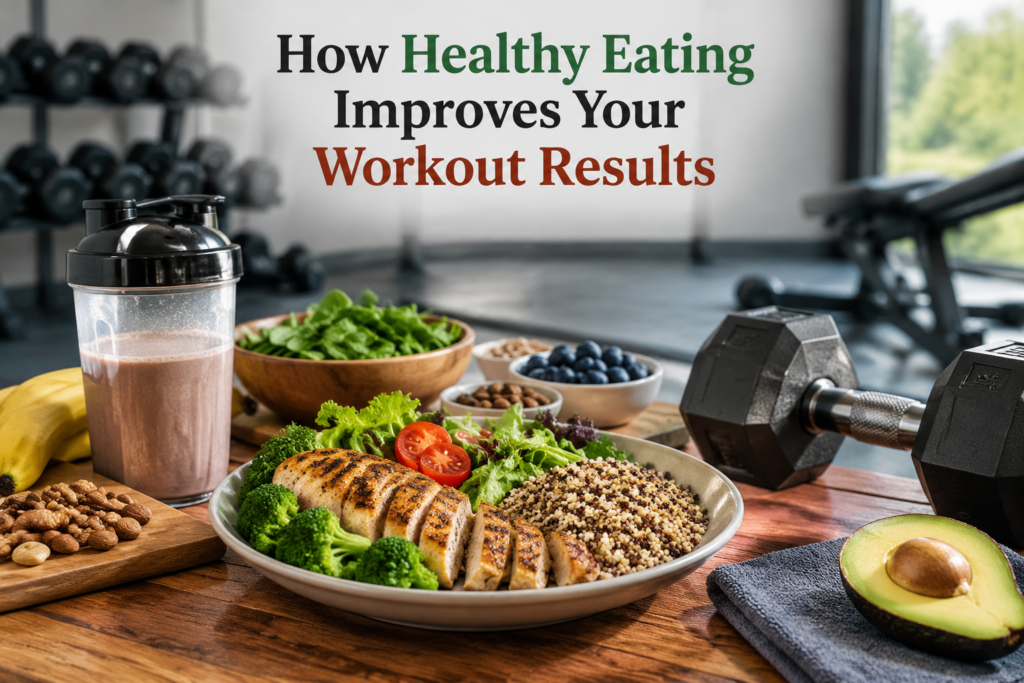
Vitamins and Minerals Improve Body Function
A strong workout routine requires more than just protein and calories. Your body also needs vitamins and minerals to perform different functions effectively.
Vegetables and fruits are rich sources of important nutrients that support immunity, muscle function, and energy production. For example, leafy green vegetables provide magnesium, which plays a role in muscle movement and relaxation. Bananas contain potassium, which helps maintain proper fluid balance and supports muscle function.
Iron rich foods such as meat, spinach, and beans help transport oxygen throughout the body. Without enough iron, you may experience tiredness and reduced workout performance.
A colorful plate with different vegetables and fruits helps ensure that your body receives a variety of essential nutrients.
Hydration Improves Exercise Performance
Water is one of the most important parts of a healthy eating plan. Even mild dehydration can negatively affect workout performance, concentration, and energy levels.
During exercise, your body loses water through sweat. If you do not replace these fluids, you may experience weakness, headaches, and reduced endurance.
Drinking enough water before, during, and after workouts helps regulate body temperature, transport nutrients, and support muscle function.
For people who exercise regularly, staying hydrated should become a daily habit. Water works together with healthy food to help your body perform at its best.
Eating Before Exercise Improves Training Quality
The meal you eat before a workout can influence how you feel and perform during exercise. A balanced pre workout meal provides energy and helps prevent early fatigue.
Good pre workout food choices include bananas, oatmeal, yogurt, eggs, whole grain toast, or a healthy smoothie. These foods provide a combination of carbohydrates and protein that supports physical activity.
Eating too much heavy food immediately before exercise may cause discomfort, while exercising on an empty stomach may reduce energy for some people. Finding the right timing and portion size can improve your workout experience.
Post Workout Nutrition Supports Recovery
After exercise, your body enters a recovery phase where it repairs muscles and restores energy levels. Eating the right foods after a workout helps speed up this process.
A good post workout meal should contain protein and carbohydrates. Protein supports muscle repair, while carbohydrates help restore energy stored in muscles.
Examples of healthy post workout meals include grilled chicken with rice, eggs with whole grain bread, yogurt with fruits, or a protein smoothie.
Proper recovery nutrition allows you to return to your next workout feeling stronger and more prepared.
Healthy Eating Helps With Weight Management
Many people start exercising because they want to lose weight or improve body shape. While workouts burn calories, healthy eating determines how effectively you manage your weight.
Consuming nutrient dense foods helps you feel full for longer periods and reduces the desire for unhealthy snacks. Vegetables, lean proteins, whole grains, and fruits provide important nutrients without unnecessary calories.
A balanced diet creates a healthy relationship with food and makes it easier to maintain fitness results over time.
Extreme diets may provide temporary changes, but healthy eating habits create long lasting success.
Healthy Food Improves Mental Focus During Workouts
Fitness is not only physical. Your mind also plays a major role in achieving your goals. Poor nutrition can affect mood, concentration, and motivation.
Foods rich in nutrients support brain health and help maintain better mental performance. When your body receives proper fuel, you are more likely to stay consistent with your workout routine.
Consistency is one of the most important factors in fitness success. Healthy eating helps create the energy and motivation needed to continue exercising regularly.
Building a Healthy Eating Routine for Fitness
Creating a healthy eating routine does not require complicated rules. Simple changes can make a big difference in your workout results.
Start by adding more whole foods to your meals. Include vegetables, fruits, lean proteins, healthy fats, and quality carbohydrates. Reduce processed foods that contain excessive sugar, unhealthy fats, and artificial ingredients.
Planning your meals in advance can also help you make better choices. Preparing healthy meals at home allows you to control ingredients and portion sizes.
Remember that fitness progress comes from daily habits. One healthy meal will not transform your body overnight, but consistent healthy eating combined with regular exercise creates powerful results.
Conclusion
Healthy eating is one of the strongest foundations for improving workout results. The food you consume provides energy for exercise, supports muscle growth, improves recovery, and helps maintain overall health.
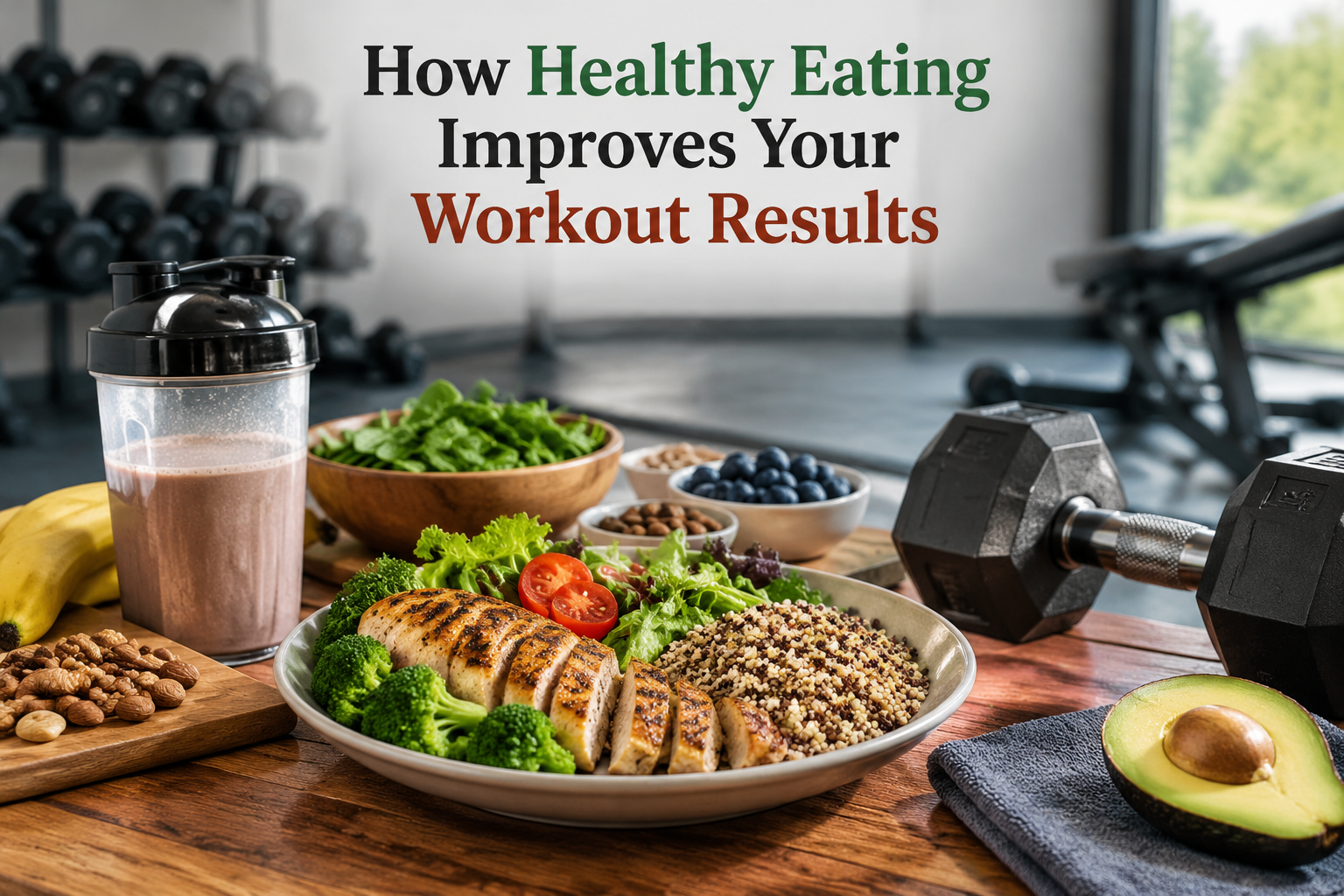
A balanced diet containing protein, carbohydrates, healthy fats, vitamins, minerals, and enough water allows your body to perform better and recover efficiently. Whether you are a beginner or an experienced athlete, nutrition plays a major role in reaching your fitness goals.