Creating your own fitness diet plan is one of the most important steps toward achieving a healthier body, improving energy levels, and reaching your fitness goals. Many people start exercise routines but ignore the importance of proper nutrition. The truth is that workouts and diet work together. A good fitness diet plan provides your body with the right amount of calories, protein, carbohydrates, healthy fats, vitamins, and minerals needed for better performance and recovery.
A personalized diet plan is always more effective because every person has different body needs. Your age, weight, height, activity level, fitness goals, lifestyle, and food preferences all influence the type of diet that works best for you. Instead of following random diets from the internet, learning how to create your own fitness diet plan helps you build healthy eating habits that can continue for a long time.
Understand Your Fitness Goal First
The first step in creating a fitness diet plan is knowing your main goal. Every fitness journey has a different purpose, and your food choices should match that purpose.
Some people want to lose body fat, while others want to build muscle and gain strength. Some people simply want better energy, improved health, and a balanced lifestyle. Your goal decides how many calories and nutrients your body needs.
If your goal is weight loss, you need a calorie controlled diet where you consume slightly fewer calories than your body uses. This helps your body use stored fat for energy.
If your goal is muscle growth, your diet should include enough calories and higher protein intake to support muscle repair and development.
If your goal is improving overall fitness, focus on balanced meals containing lean proteins, whole grains, vegetables, fruits, and healthy fats.
Having a clear goal makes it easier to design a fitness diet plan that matches your needs.
Calculate Your Daily Calorie Needs
Calories are the energy your body receives from food. Understanding your daily calorie requirement is important because eating too much or too little can affect your fitness progress.
Your calorie needs depend on several factors including your body weight, height, age, gender, and daily activity level.
A person who exercises regularly will need more calories compared to someone with a less active lifestyle. Athletes and gym lovers often require more energy because their bodies work harder during training.
You do not need to become obsessed with counting every calorie, but having a general idea about your calorie needs helps you make better food choices.
For beginners, tracking food for a few days can be helpful. It allows you to understand your eating habits and identify areas where you can make improvements.
Focus on Protein Rich Foods
Protein is one of the most important nutrients in a fitness diet plan. It plays a major role in muscle repair, strength development, and recovery after exercise.
When you exercise, especially during strength training, your muscles experience small damages. Protein provides amino acids that help rebuild and strengthen muscles.
Good protein sources include chicken, eggs, fish, beef, mutton, yogurt, milk, beans, lentils, tofu, and nuts.
People who want to build muscle should pay special attention to their protein intake. Including protein in every meal helps maintain muscle mass and supports better fitness results.
A healthy fitness diet plan does not mean eating only protein. It means creating a balance between protein and other essential nutrients.
Add Healthy Carbohydrates for Energy
Carbohydrates often receive negative attention, but they are an important source of energy for active people. Your body uses carbohydrates as fuel during workouts and daily activities.
Choosing the right type of carbohydrates is important. Complex carbohydrates provide steady energy and contain more nutrients compared to processed foods.
Healthy carbohydrate sources include brown rice, oats, sweet potatoes, whole wheat bread, fruits, and vegetables.
Eating carbohydrates before exercise can improve workout performance by providing energy. After exercise, carbohydrates help restore energy levels and support recovery.
A balanced fitness diet plan includes carbohydrates according to your activity level and fitness goals.
Include Healthy Fats in Your Diet
Healthy fats are another important part of a complete fitness diet plan. Fats support hormone production, brain health, and the absorption of certain vitamins.
Many people avoid fats because they think all fats cause weight gain. However, healthy fats can be beneficial when consumed in the right amounts.
Good sources of healthy fats include olive oil, almonds, walnuts, seeds, avocado, and fatty fish.
The key is balance. Your body needs fats, but consuming excessive amounts of high calorie foods can slow down your fitness progress.
Build a Balanced Meal Structure
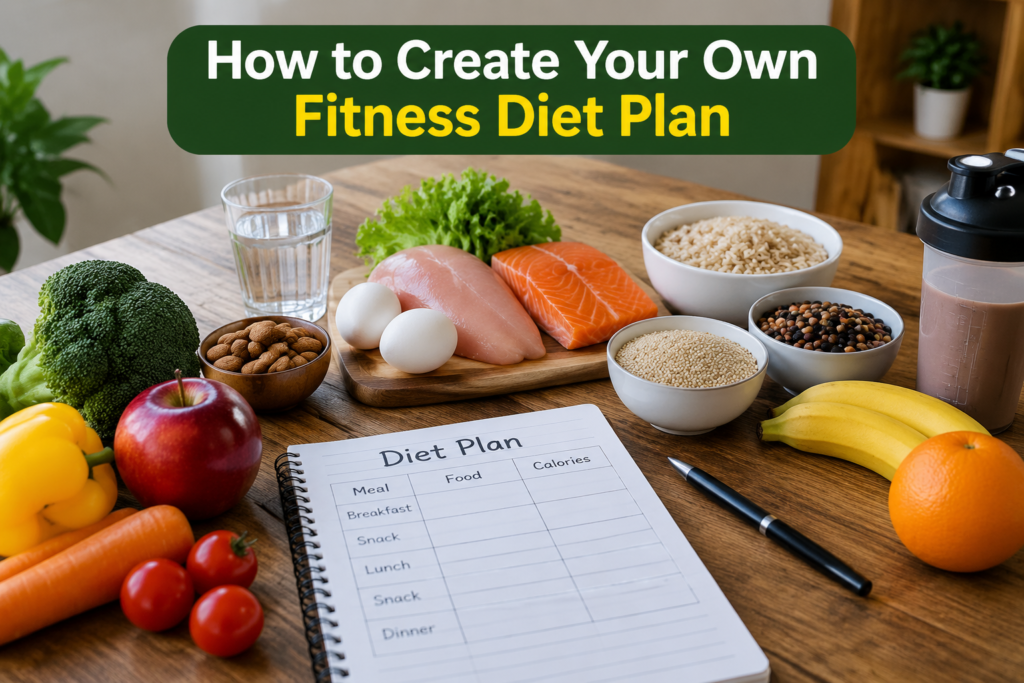
Creating a simple meal structure makes it easier to follow your fitness diet plan. Instead of focusing on complicated recipes, focus on balanced meals.
A healthy meal usually includes:
A source of protein for muscle repair
A source of carbohydrates for energy
Vegetables or fruits for vitamins and minerals
Healthy fats for overall health
For example, a balanced lunch could include grilled chicken, brown rice, vegetables, and a small amount of healthy oil. A healthy breakfast could include eggs, oats, and fruit.
The goal is not perfection. The goal is creating a routine that you can follow consistently.
Plan Your Meals Around Your Workout
Timing your meals around exercise can improve performance and recovery.
Eating a balanced meal before a workout provides energy and helps you train better. Foods containing carbohydrates and protein are usually good choices before exercise.
After training, your body needs nutrients to repair muscles and restore energy. A meal containing protein and carbohydrates after exercise can support recovery.
However, the most important factor is your total daily nutrition. Meal timing is helpful, but consistency is more important.
Drink Enough Water
Hydration is an essential part of any fitness diet plan. Water helps control body temperature, transport nutrients, and maintain physical performance.
During exercise, your body loses water through sweating. Even mild dehydration can reduce energy levels and affect workout quality.
Make water your main drink throughout the day. Avoid depending too much on sugary beverages because they can add unnecessary calories.
People who exercise regularly should pay extra attention to hydration before, during, and after workouts.
Choose Natural and Less Processed Foods
The quality of your food matters. A fitness diet plan should focus mainly on natural and minimally processed foods.
Fresh vegetables, fruits, lean meats, whole grains, and dairy products provide important nutrients that support health and fitness.
Processed foods often contain high amounts of sugar, unhealthy fats, and extra calories. Eating them occasionally is fine, but they should not become the foundation of your diet.
A simple rule is to make most of your meals from foods that are close to their natural form.
Adjust Your Diet According to Results
Creating a fitness diet plan is not a one time task. Your body changes over time, so your diet may also need adjustments.
If you are trying to lose weight but see no progress after several weeks, you may need to review your calorie intake or activity level.
If you are trying to build muscle but your strength and weight are not increasing, you may need more calories or protein.
Pay attention to your energy levels, workout performance, and body changes. Small adjustments can help you continue making progress.
Avoid Extreme Diet Plans
Many people make the mistake of following extreme diets that promise fast results. These diets are usually difficult to maintain and may not provide enough nutrients.
A successful fitness diet plan should be realistic and suitable for your lifestyle. Healthy progress takes time and consistency.
Instead of removing entire food groups, learn how to create balance. You can enjoy your favorite foods occasionally while still following a healthy routine.
Create a Diet Plan You Can Maintain
The best fitness diet plan is the one you can follow for months and years. A perfect plan on paper is useless if it is too difficult to maintain.
Consider your daily schedule, budget, cooking skills, and personal preferences when creating your plan.
If you enjoy your meals, you are more likely to continue following healthy habits. Variety is also important because eating different foods provides different nutrients.
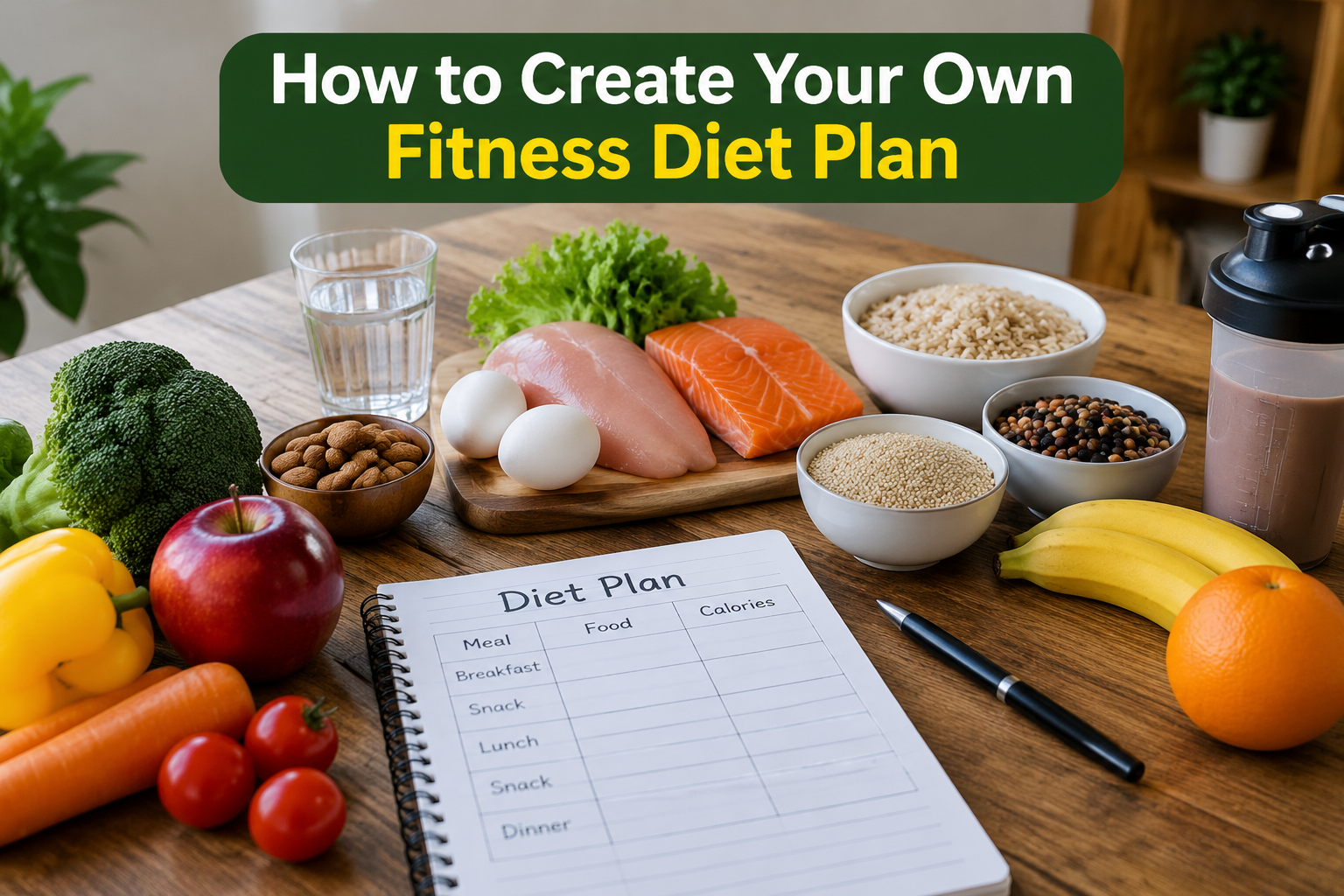
Example of a Simple Fitness Diet Plan
Breakfast can include eggs, oats, fruit, and milk.
A mid morning snack can include yogurt, nuts, or a piece of fruit.
Lunch can include chicken, beef, mutton, rice, vegetables, or salad.
A pre workout snack can include a banana or whole grain food.
Dinner can include a protein source with vegetables and healthy carbohydrates.
This is only a basic example. Your own fitness diet plan should be adjusted according to your goals and body requirements.
Final Thoughts
Learning how to create your own fitness diet plan gives you control over your health, energy, and fitness progress. A successful diet is not about expensive foods or complicated rules. It is about understanding your body and providing the nutrients it needs.
A balanced fitness diet plan should include enough protein, healthy carbohydrates, good fats, vitamins, minerals, and proper hydration. Combine smart nutrition with regular exercise, quality sleep, and consistency to achieve long term results.
Remember that fitness is a journey, not a quick challenge. Small healthy choices every day create powerful changes over time. When you build a diet plan based on your personal goals and lifestyle, reaching your fitness targets becomes easier and more enjoyable.