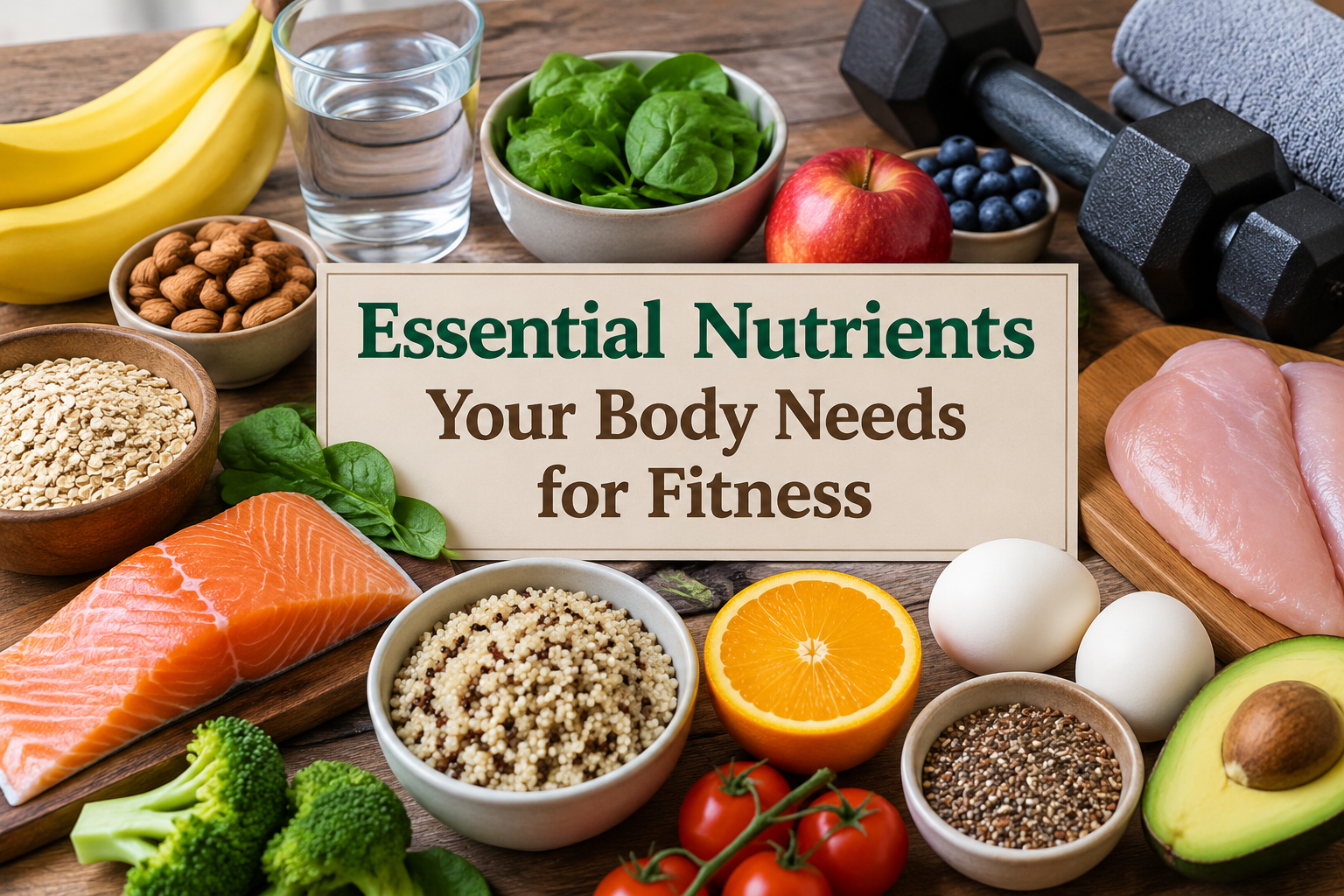
Fitness is not only about exercise, lifting weights, running, or following a strict workout routine. A strong and healthy body needs proper nutrition to perform well, recover faster, and maintain energy throughout the day. Many people focus only on protein when they start their fitness journey, but the human body requires a complete combination of essential nutrients to build muscles, support metabolism, improve strength, and protect overall health.
Essential nutrients are the substances that your body needs to function properly but cannot always produce on its own. These nutrients come from different foods and play important roles in energy production, muscle growth, recovery, immunity, and daily performance. Whether your goal is gaining muscle, losing weight, improving endurance, or simply becoming healthier, understanding these nutrients can help you make better food choices.
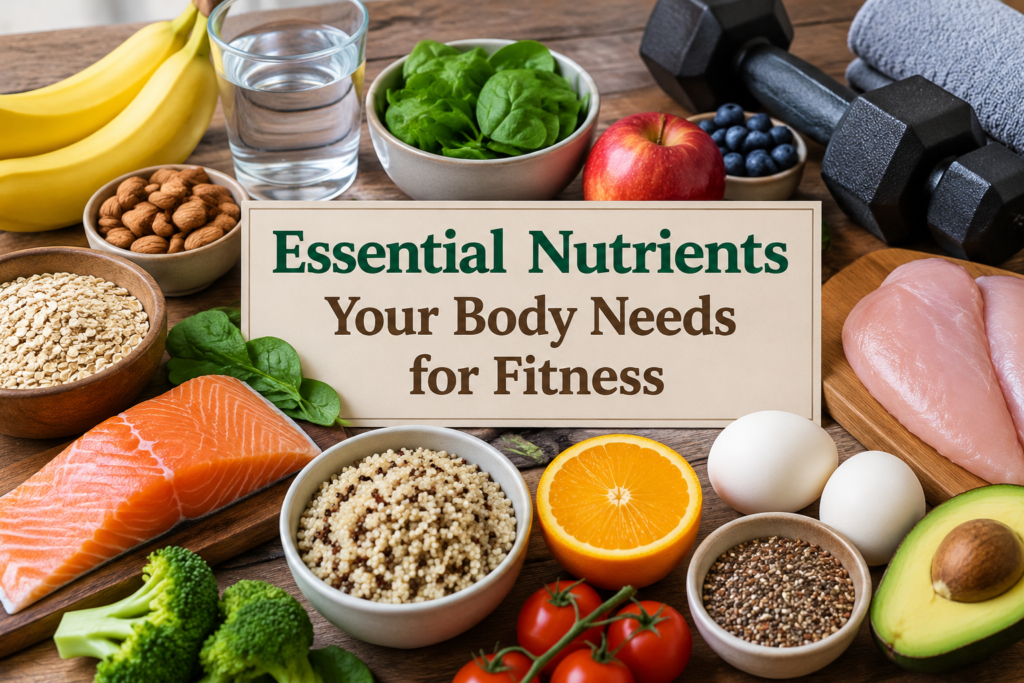
A balanced fitness diet includes proteins, carbohydrates, healthy fats, vitamins, minerals, water, and fiber. Each nutrient has a specific purpose, and ignoring any one of them can affect your progress. A healthy body is created by combining regular physical activity with proper nutrition.
Protein: The Building Block of Muscles
Protein is one of the most important nutrients for fitness because it helps repair and build muscle tissues. During exercise, especially strength training, small tears occur in muscle fibers. Protein provides amino acids that help repair these fibers and make them stronger.
Foods rich in protein include chicken, beef, fish, eggs, milk, yogurt, lentils, beans, nuts, and seeds. For people who exercise regularly, getting enough protein is essential for muscle recovery and growth.
Protein also helps you feel full for longer periods, which can support healthy weight management. When combined with exercise, a protein rich diet helps maintain lean muscle while reducing unnecessary fat.
The amount of protein your body needs depends on your activity level, body weight, and fitness goals. Athletes and people involved in intense workouts usually need more protein compared to people with a less active lifestyle.
Carbohydrates: The Main Source of Energy
Carbohydrates are often misunderstood, but they are a very important nutrient for fitness. They provide the energy needed for workouts, sports activities, and daily movement. When you exercise, your body uses stored carbohydrates called glycogen as fuel.
Without enough carbohydrates, you may feel tired, weak, and unable to perform your best during exercise. Healthy carbohydrate sources include whole grains, brown rice, oats, potatoes, fruits, vegetables, and whole wheat products.
Complex carbohydrates are especially beneficial because they release energy slowly and help maintain stable blood sugar levels. They provide long lasting fuel for workouts and daily activities.
People who perform high intensity exercises need enough carbohydrates because their bodies require more energy. A balanced intake of carbohydrates can improve workout performance and support faster recovery after exercise.
Healthy Fats: Support Energy and Hormones
Healthy fats are another essential nutrient that your body needs for fitness and overall health. Many people avoid fats because they think all fats are harmful, but healthy fats are necessary for proper body function.
Healthy fats support hormone production, brain health, and the absorption of fat soluble vitamins. They also provide a concentrated source of energy, which is useful for people with active lifestyles.
Good sources of healthy fats include olive oil, avocados, almonds, walnuts, peanuts, flaxseeds, chia seeds, and fatty fish such as salmon.
Including moderate amounts of healthy fats in your diet can support muscle recovery and help maintain energy levels. The key is choosing quality fats instead of processed and unhealthy fats found in many fast foods.
Vitamins: Small Nutrients With Big Benefits
Vitamins are needed in small amounts, but they have powerful effects on the body. They support immunity, energy production, muscle function, and recovery.
Different vitamins have different roles. Vitamin C helps support the immune system and protects cells from damage. Vitamin D supports strong bones and muscle function. B vitamins help convert food into energy and support metabolism.
Fruits and vegetables are excellent sources of vitamins. Citrus fruits, berries, spinach, carrots, tomatoes, and green vegetables provide many important vitamins that support an active lifestyle.
A fitness focused diet should include a variety of colorful fruits and vegetables because different colors often represent different beneficial nutrients.
Minerals: Supporting Strength and Performance
Minerals are essential nutrients that help your body perform physical activities efficiently. Important minerals for fitness include calcium, iron, magnesium, potassium, and zinc.
Calcium is important for strong bones and proper muscle contraction. Dairy products, leafy green vegetables, and fortified foods are good sources of calcium.
Iron helps transport oxygen through the blood. Low iron levels can cause tiredness and reduced exercise performance. Meat, beans, spinach, and lentils are good sources of iron.
Magnesium supports muscle relaxation, energy production, and normal nerve function. Nuts, seeds, whole grains, and vegetables contain magnesium.
Potassium helps maintain fluid balance and supports muscle function. Bananas, potatoes, oranges, and vegetables provide potassium.
A proper balance of minerals helps prevent weakness, cramps, and poor workout performance.
Water: The Most Important Nutrient
Water is one of the most important nutrients for fitness because the body cannot function properly without enough hydration. During exercise, your body loses water through sweat, and dehydration can reduce energy, strength, and focus.
Water helps regulate body temperature, transport nutrients, remove waste, and support muscle function. Even mild dehydration can affect physical performance.
Drinking enough water before, during, and after exercise helps your body perform better and recover faster. The amount of water needed depends on activity level, weather, and individual body needs.
People who exercise in hot environments need extra attention to hydration because they lose more fluids through sweating.
Fiber: Supporting Digestion and Health
Fiber is an important nutrient that supports digestion and overall wellness. Although fiber does not directly build muscles, it helps your body absorb nutrients properly and maintain a healthy digestive system.
High fiber foods include vegetables, fruits, whole grains, beans, lentils, and seeds. Fiber helps control appetite, maintain healthy blood sugar levels, and support regular digestion.
A healthy digestive system allows your body to use nutrients from food more effectively. This means your muscles and organs receive the fuel they need for proper function.
Antioxidants: Protecting Your Body
Exercise creates positive stress on the body, which helps improve strength and endurance. However, intense workouts can also increase the production of free radicals. Antioxidants help protect body cells from damage caused by these harmful compounds.
Foods rich in antioxidants include berries, green vegetables, nuts, seeds, and colorful fruits. These foods support recovery and help maintain overall health.
Including antioxidant rich foods in your daily meals can support your body during regular training and physical activity.
Calcium and Vitamin D for Strong Bones
Strong bones are important for every fitness goal because bones provide structure and support movement. Calcium and vitamin D work together to maintain bone strength.
Weight training and physical activity place stress on bones, encouraging them to become stronger. However, your body needs proper nutrients to support this process.
Milk, yogurt, cheese, eggs, fish, and sunlight exposure can help provide these important nutrients.
Iron for Better Oxygen Supply
Oxygen plays a major role in exercise performance because muscles need oxygen to produce energy. Iron helps create hemoglobin, a substance in red blood cells that carries oxygen throughout the body.
A lack of iron can lead to tiredness and reduced stamina. Fitness enthusiasts should include iron rich foods such as meat, eggs, lentils, beans, and leafy vegetables in their diet.
Combining plant based iron sources with vitamin C rich foods can improve iron absorption.
Creating a Balanced Fitness Diet
A successful fitness diet is not about eating one specific food or following extreme restrictions. It is about creating balance and providing your body with all the nutrients it needs.
A healthy plate can include a source of protein, complex carbohydrates, vegetables, fruits, and healthy fats. This combination provides energy, supports muscle growth, and improves recovery.
For example, a fitness friendly meal could include grilled chicken with brown rice and vegetables. Another option could be eggs with whole grain bread and fruit for breakfast.
Planning meals ahead can help you maintain healthy eating habits and avoid unhealthy food choices.
The Importance of Consistency
Many people expect quick results when they begin a fitness journey, but real progress comes from consistency. Eating nutritious foods regularly, exercising properly, sleeping well, and staying hydrated create long term results.
Your body needs continuous support to become stronger and healthier. One healthy meal will not transform your body, but daily good choices will create significant improvements over time.
Fitness nutrition is not about perfection. It is about making better choices and understanding what your body needs.
Conclusion
Essential nutrients are the foundation of a healthy and active body. Protein supports muscle growth, carbohydrates provide energy, healthy fats support hormones, vitamins and minerals improve body functions, water maintains hydration, and fiber supports digestion.
A fitness lifestyle is built through a combination of exercise and proper nutrition. When you provide your body with the right nutrients, you improve your strength, recovery, energy levels, and overall health.
Understanding your nutritional needs allows you to make smarter food choices and achieve your fitness goals more effectively. A balanced diet filled with natural and nutrient rich foods is one of the best investments you can make for a stronger and healthier future.