Living a healthy and active lifestyle starts with the food you eat every day. Your body needs proper nutrition to stay energetic, support physical activity, improve concentration, and maintain overall health. Choosing the best foods for a healthy and active lifestyle does not mean following a complicated diet. It simply means eating a balanced variety of natural and nutritious foods that provide protein, carbohydrates, healthy fats, vitamins, minerals, and enough water.
Whether you exercise regularly, work long hours, play sports, or simply want to feel better throughout the day, healthy food can make a big difference. The right foods can help support energy levels, muscle recovery, digestion, and a strong immune system. Here are some of the best foods to include in your daily diet.
Fresh Fruits for Natural Energy
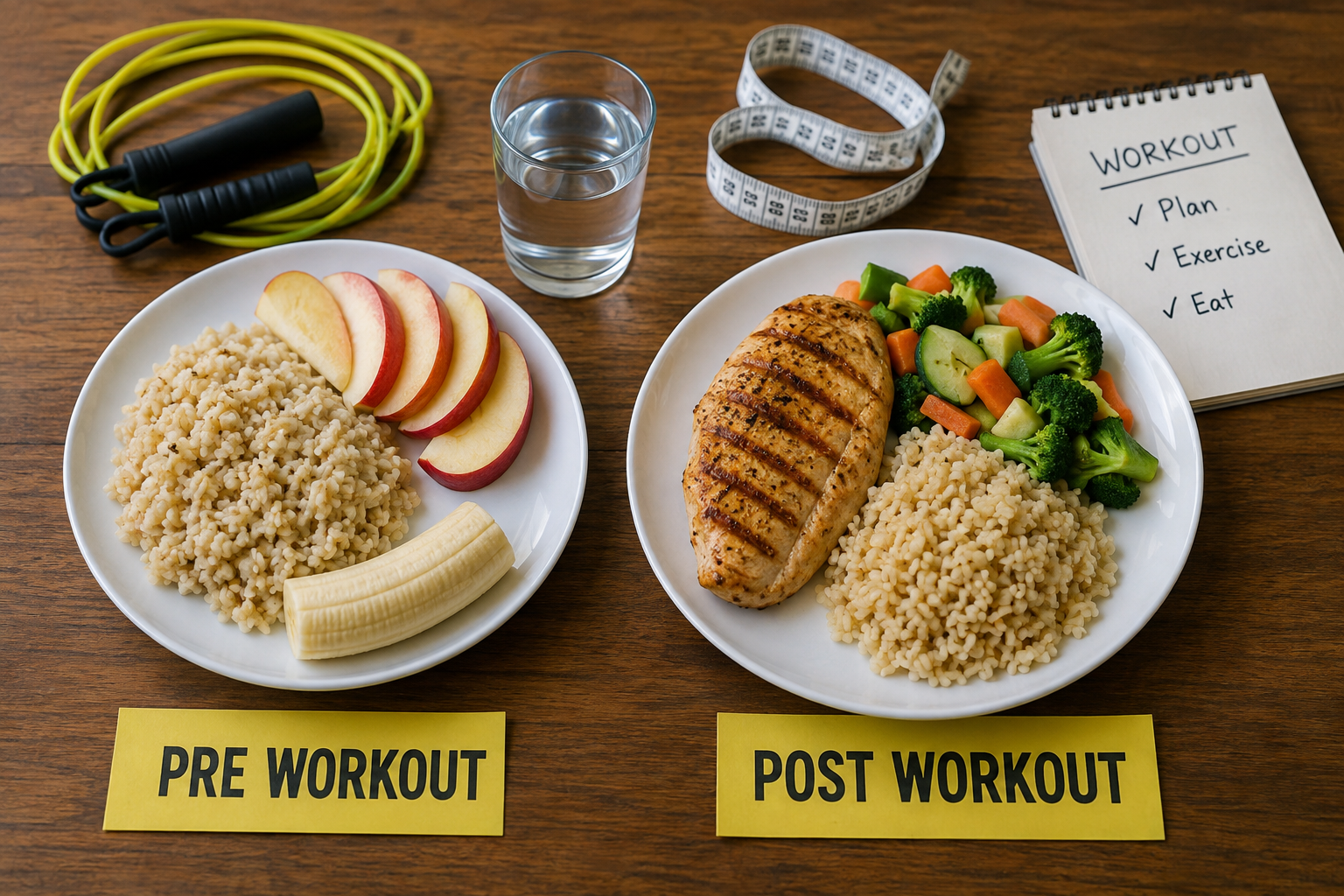
Fruits are among the best foods for a healthy and active lifestyle because they provide natural carbohydrates, vitamins, minerals, fiber, and antioxidants. They can be a convenient snack before or after physical activity.
Bananas are especially popular among active people because they provide carbohydrates and potassium. Apples, oranges, berries, mangoes, grapes, and watermelon are also excellent choices. Berries contain antioxidants that can help protect cells from damage, while oranges provide vitamin C and plenty of water.
Try to eat different fruits throughout the week instead of depending on only one type. You can add fruit to breakfast, blend it into a smoothie, or enjoy it as a simple snack.
Vegetables for Better Health
Vegetables should be an important part of a healthy diet. They are generally rich in fiber, vitamins, minerals, and antioxidants while providing relatively few calories.
Leafy green vegetables such as spinach, kale, and lettuce can provide important nutrients. Broccoli, carrots, tomatoes, bell peppers, cucumbers, and cauliflower are also nutritious options.
Eating a colorful variety of vegetables is a simple way to improve your nutrition. You can add vegetables to eggs, rice, sandwiches, soups, salads, and main meals. Fresh vegetables are excellent, but frozen vegetables can also be a convenient and nutritious choice.
Eggs for High Quality Protein
Eggs are one of the easiest foods to include in a healthy and active lifestyle. They contain high quality protein and several important nutrients. Protein is important for maintaining and repairing muscles, especially when you exercise regularly.
Eggs can be prepared in many simple ways. You can eat boiled eggs as a snack, make an omelet with vegetables, or add eggs to a balanced breakfast.
For a more complete meal, combine eggs with whole grain bread and vegetables. This combination can provide protein, carbohydrates, fiber, and important micronutrients.
Whole Grains for Long Lasting Energy
Carbohydrates are an important source of energy, particularly for active people. Whole grains can be a better choice than highly refined grains because they generally provide more fiber and nutrients.
Oats, brown rice, whole grain bread, whole wheat pasta, barley, and other whole grains can help make meals more satisfying. Oatmeal with fruit and nuts can be a simple breakfast, while brown rice with vegetables and lean protein can make a balanced lunch or dinner.
You do not need to avoid carbohydrates to maintain a healthy lifestyle. The goal is to choose nutritious carbohydrate sources and eat appropriate portions.
Lean Protein for Strong Muscles
Protein is essential for an active lifestyle because your body uses it to maintain and repair tissues. Good protein sources include chicken, fish, eggs, beans, lentils, yogurt, milk, and other protein rich foods.
Chicken breast is a popular option because it is versatile and easy to prepare. Fish can also be an excellent choice, especially varieties that provide healthy fats.
For people who prefer plant based foods, beans, chickpeas, lentils, peas, tofu, and other plant protein sources can help meet daily protein needs.
Including protein in meals can also help you feel full for longer. Try to include a protein source with breakfast, lunch, and dinner.
Fish for Protein and Healthy Fats
Fish is another excellent food for people who want to maintain an active and healthy lifestyle. Many types of fish provide protein, while fatty fish such as salmon, sardines, and mackerel contain omega 3 fatty acids.
Healthy fats are important for normal body functions and overall nutrition. Fish can be baked, grilled, steamed, or cooked with vegetables for a nutritious meal.
If you enjoy seafood, including fish in your meals a few times a week can add variety to your diet while providing valuable nutrients.
Nuts and Seeds for Healthy Fats
Nuts and seeds are small foods that contain many nutrients. Almonds, walnuts, peanuts, pumpkin seeds, sunflower seeds, and chia seeds can provide healthy fats, protein, fiber, vitamins, and minerals.
They are particularly useful as quick snacks when you need something convenient. However, nuts and seeds are energy dense, so a moderate serving is usually enough.
You can add them to oatmeal, yogurt, salads, smoothies, or homemade snacks. Choosing unsalted varieties can also help reduce unnecessary sodium intake.
Yogurt and Other Dairy Foods
Yogurt, milk, and other dairy foods can provide protein, calcium, and other nutrients. These foods can be useful for people who want convenient options for breakfast or snacks.
Plain yogurt can be combined with fresh fruit, oats, nuts, or seeds to create a nutritious meal. Milk can be added to smoothies or enjoyed with breakfast.
If you do not consume dairy products, there are fortified alternatives available. Check the nutrition information when choosing plant based alternatives so you can select options that fit your nutritional needs.
Beans and Lentils for Plant Based Nutrition
Beans and lentils are affordable, versatile, and nutritious foods. They provide plant based protein, fiber, carbohydrates, vitamins, and minerals.
Chickpeas can be added to salads or used to make hummus. Lentils work well in soups, curries, and rice dishes. Kidney beans and black beans can also be included in many meals.
Because they contain both protein and fiber, beans and lentils can make meals satisfying while helping you build a balanced diet.
Avocados for Healthy Fats
Avocados provide healthy fats along with fiber and several vitamins and minerals. They can be a useful addition to an active lifestyle when eaten as part of a balanced diet.
You can add avocado to whole grain toast, salads, sandwiches, or eggs. It can also be used as a creamy ingredient in homemade meals.
Healthy fats are important, but portion size still matters because fats contain more calories per gram than protein or carbohydrates.
Water Is Also Essential
Food is important, but hydration is equally important for an active lifestyle. Water helps your body perform many essential functions and is especially important when you exercise or spend time in hot weather.
Drink water regularly throughout the day rather than waiting until you feel extremely thirsty. Your fluid needs can change depending on your activity level, weather, body size, and other factors.
For most daily activities, plain water is a simple choice. People who exercise for long periods or sweat heavily may have different hydration needs.
How to Build a Balanced Meal
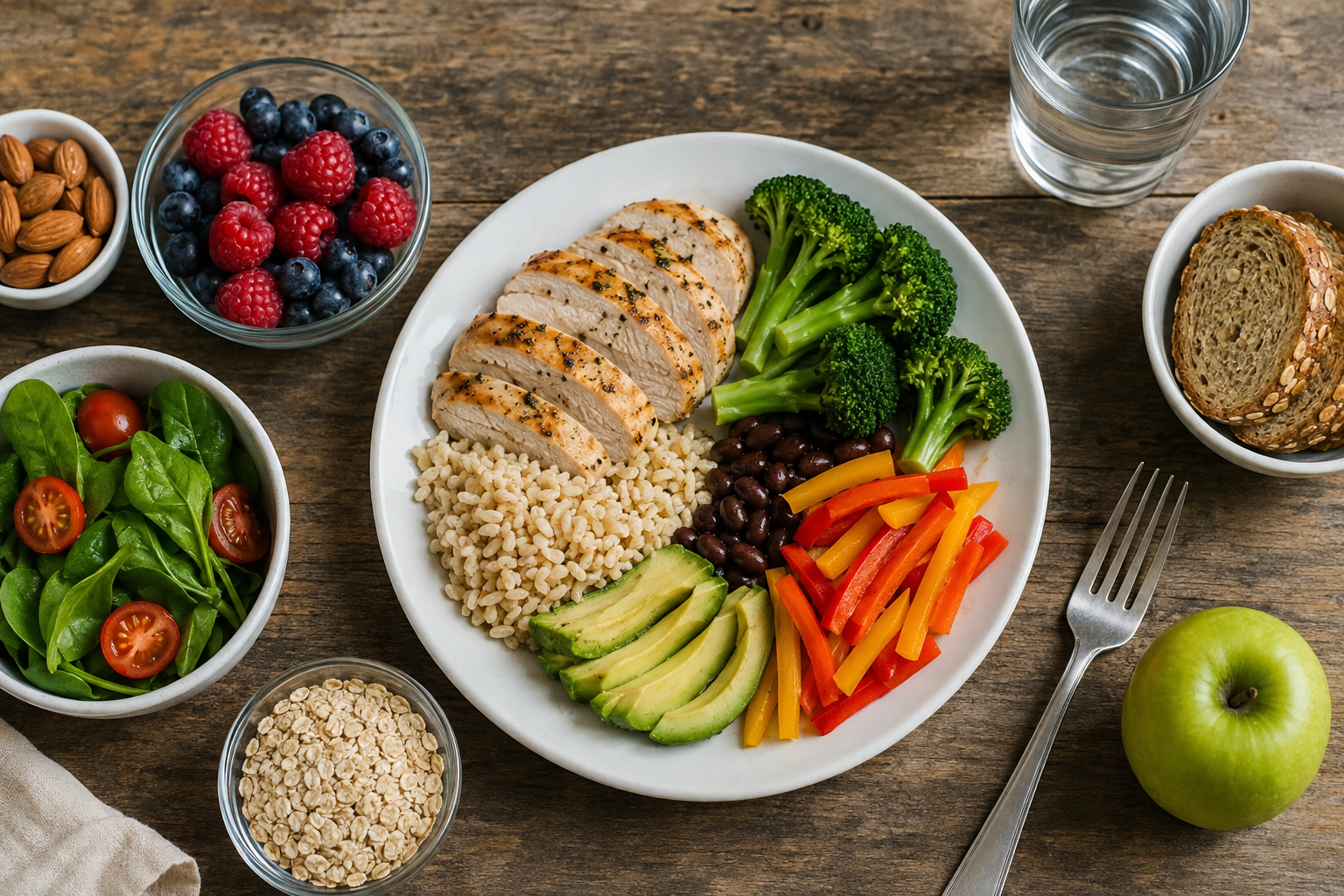
Knowing which foods are healthy is useful, but learning how to combine them can make healthy eating easier. A balanced meal can include a source of protein, a nutritious carbohydrate, vegetables or fruit, and a source of healthy fat.
For example, grilled chicken with brown rice, vegetables, and avocado can make a balanced lunch. Another option could be eggs with whole grain toast, spinach, and fruit for breakfast.
The important thing is to focus on variety and balance rather than trying to find one perfect food.
Foods to Limit
A healthy and active lifestyle does not require completely avoiding your favorite foods. However, foods that are high in added sugar, excessive sodium, and unhealthy fats are generally better enjoyed less often.
Sugary drinks, highly processed snacks, fried foods, and heavily processed meals can provide a lot of calories without providing the same nutritional value as whole foods.
Instead of trying to make your diet perfect, focus on making better choices most of the time. Small improvements can become long term habits.
Final Thoughts
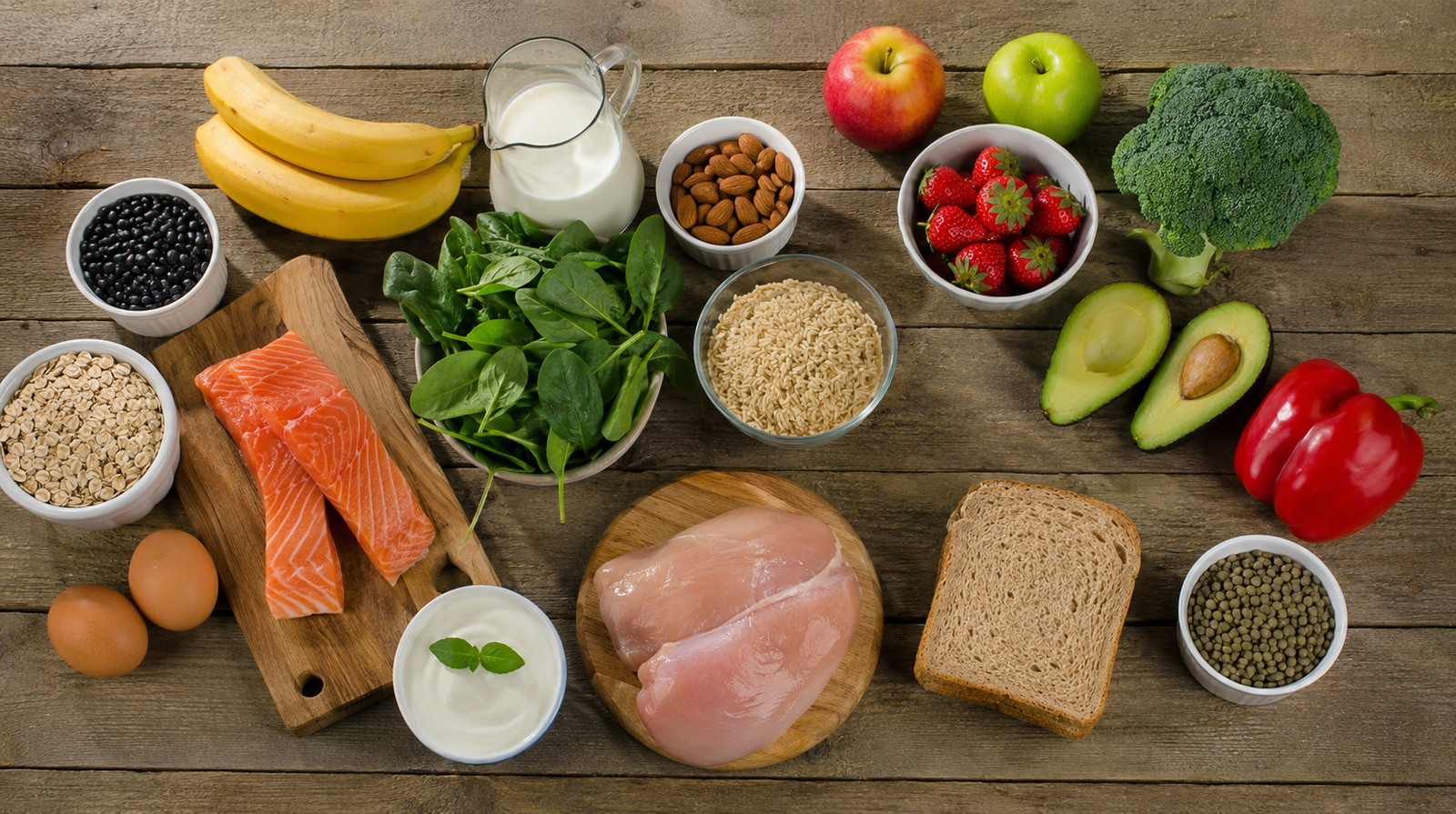
The best foods for a healthy and active lifestyle are not complicated or difficult to find. Fresh fruits, vegetables, whole grains, eggs, lean protein, fish, beans, lentils, nuts, seeds, yogurt, and healthy fats can all play a role in a balanced diet.
Eating nutritious foods regularly can help provide the energy and nutrients your body needs for everyday activities and exercise. Remember that healthy eating is not about following strict rules. It is about creating simple habits that you can maintain for a long time.
Choose a variety of whole foods, drink enough water, include protein and fiber in your meals, and pay attention to your body’s hunger and fullness signals. Combined with regular physical activity, good sleep, and healthy daily habits, nutritious food can support a stronger, more energetic, and healthier lifestyle.