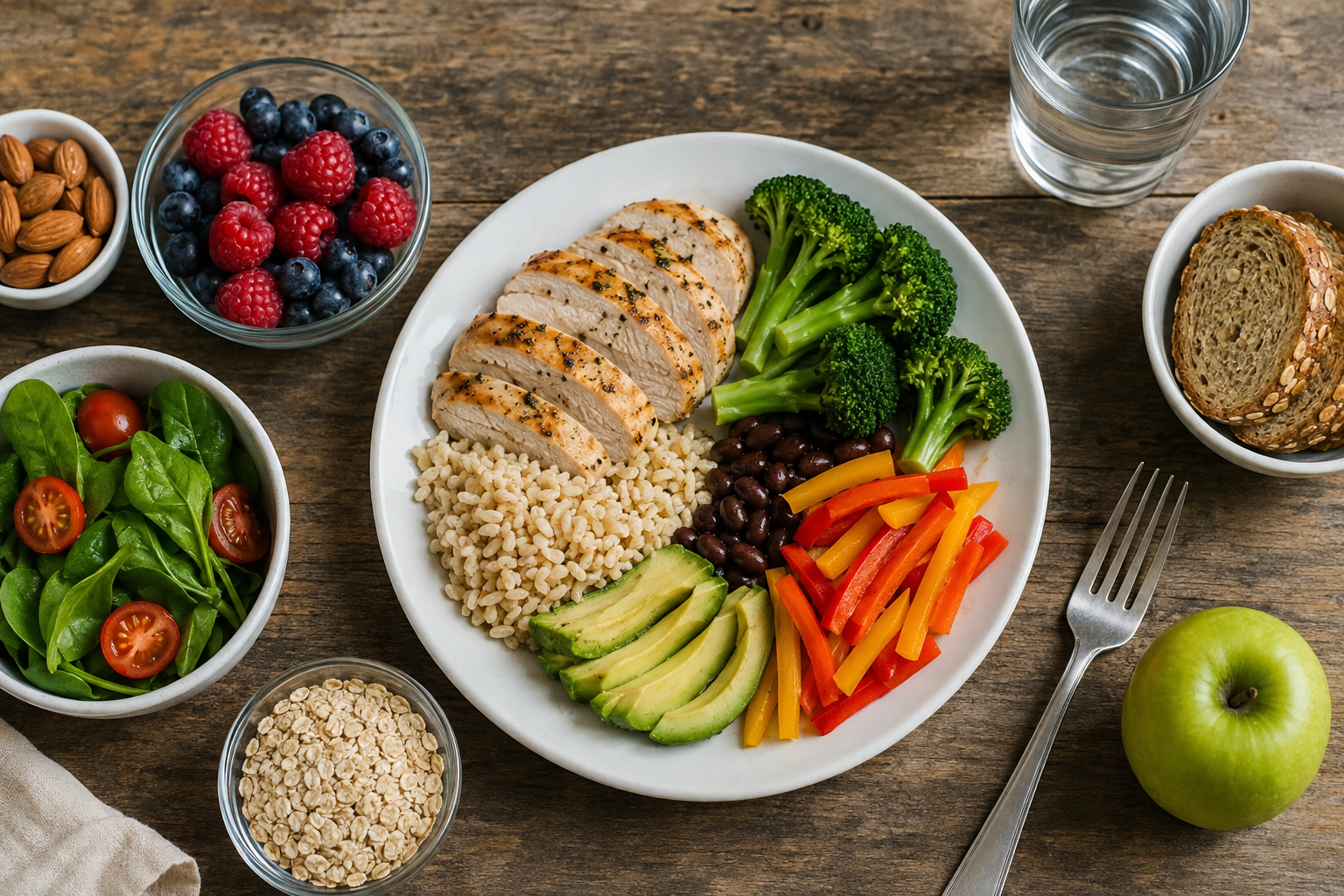
A balanced fitness diet is one of the most important parts of living a healthy and active lifestyle. Exercise helps build strength, improve fitness, and support overall health, but food gives your body the energy and nutrients it needs to perform well. Many people focus only on workouts while ignoring their daily diet. The truth is that fitness and nutrition work together. If you want better results from your workouts, you need to provide your body with quality food.
Creating a balanced fitness diet does not mean following a strict eating plan or avoiding your favorite foods. It means choosing a variety of nutritious foods, eating suitable portions, drinking enough water, and creating eating habits that you can follow for a long time. A good fitness diet should support your personal goals, activity level, and lifestyle.
Understand Your Fitness Goals
The first step in creating a balanced fitness diet is understanding your fitness goals. Different goals require different nutrition strategies. Someone who wants to lose weight may need to control portions and focus on filling foods, while someone who wants to build muscle may need more protein and enough calories to support muscle growth.
If your goal is weight loss, focus on nutritious foods that provide fewer calories while keeping you satisfied. Vegetables, fruits, lean proteins, whole grains, and healthy fats can help you stay full and energized.
If your goal is muscle growth, protein becomes especially important. Foods such as eggs, chicken, fish, beans, yogurt, milk, and cottage cheese can provide protein for muscle repair and development.
If your goal is general fitness, focus on variety and balance rather than following an extreme diet.
Include Protein in Your Diet
Protein is an important part of a balanced fitness diet because it supports muscle repair and growth. Your body uses protein to maintain muscles and other tissues. Regular exercise can increase your need for protein, especially when you participate in strength training.
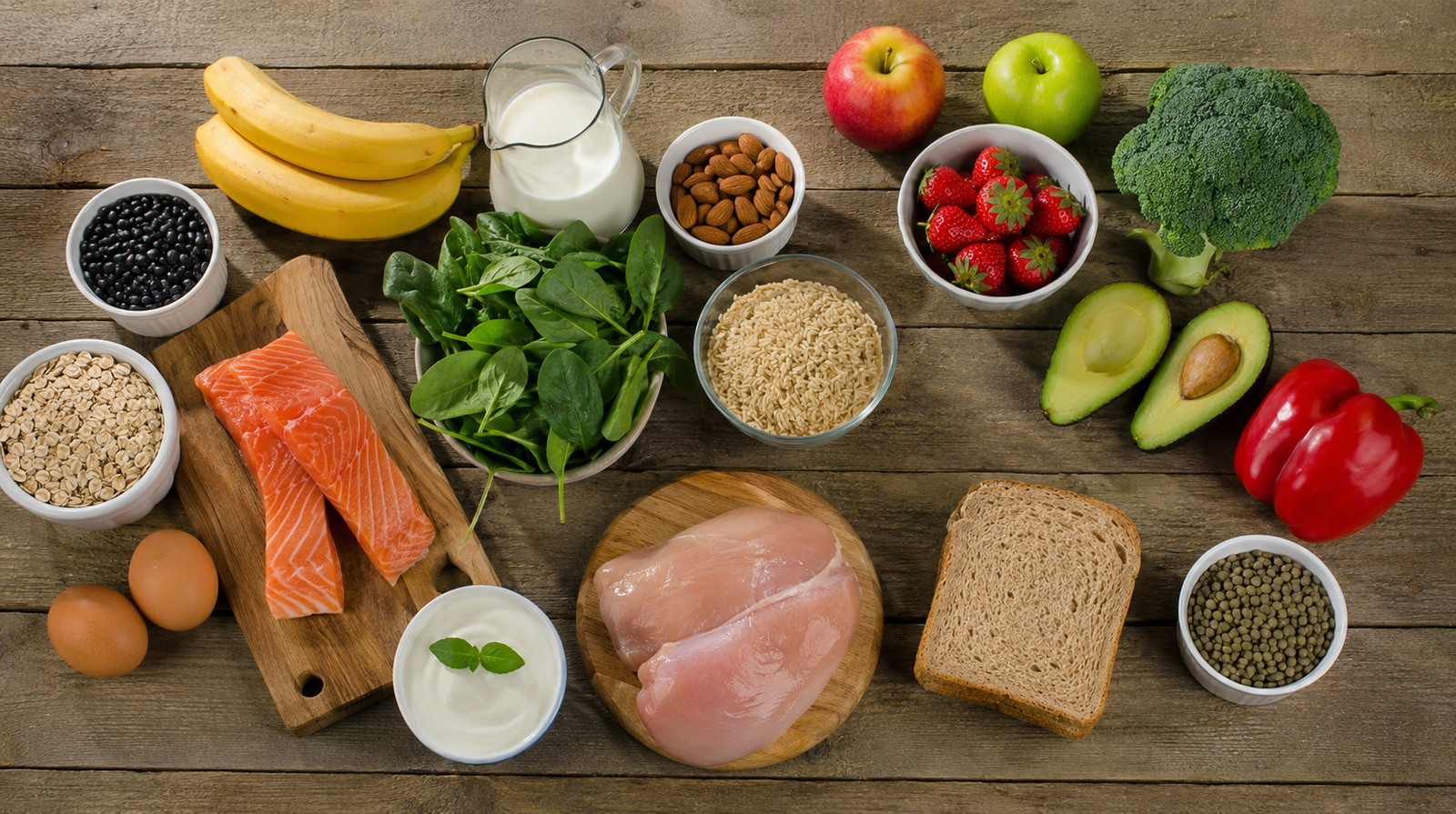
Good protein sources include eggs, chicken, fish, lean meat, beans, lentils, chickpeas, yogurt, milk, cottage cheese, and nuts. Vegetarians can get protein from beans, lentils, tofu, dairy products, seeds, and other plant based foods.
Try to include a protein source in your main meals. For example, breakfast can include eggs and yogurt, lunch can include chicken with rice and vegetables, and dinner can include fish with potatoes and salad.
Choose Healthy Carbohydrates
Carbohydrates are an important source of energy for exercise and daily activities. Some people avoid carbohydrates because they believe they automatically cause weight gain. However, healthy carbohydrate sources can be an important part of a balanced fitness diet.
Choose foods such as oats, brown rice, whole grain bread, potatoes, sweet potatoes, fruits, beans, and other whole grains. These foods can provide energy along with important nutrients.
The amount of carbohydrates you need depends on your activity level. People who exercise regularly may need more carbohydrates than people who have a mostly inactive lifestyle. Eating carbohydrates around workouts can also help provide energy for training and support recovery afterward.
Eat Plenty of Vegetables and Fruits
Vegetables and fruits should have an important place in your daily fitness diet. They provide vitamins, minerals, fiber, antioxidants, and other nutrients that support overall health.
Try to include different colors of vegetables and fruits because variety helps you get a wider range of nutrients. Leafy green vegetables, carrots, tomatoes, cucumbers, peppers, apples, bananas, oranges, berries, and other seasonal fruits can all be useful choices.
Vegetables can also make meals more filling without adding excessive calories. If you are trying to lose weight, adding more vegetables to your meals can help you feel satisfied while maintaining a reasonable calorie intake.
Do Not Avoid Healthy Fats
Healthy fats are another important part of a balanced fitness diet. Fat provides energy and helps the body absorb certain vitamins. It also contributes to normal body functions.
Good sources of healthy fats include nuts, seeds, avocados, olive oil, peanut butter, and fatty fish. These foods can be nutritious, but they are also relatively high in calories, so portion size still matters.
Instead of removing fats completely, focus on choosing better sources and eating reasonable amounts. A small amount of nuts or seeds can be a useful addition to breakfast or a snack.
Drink Enough Water
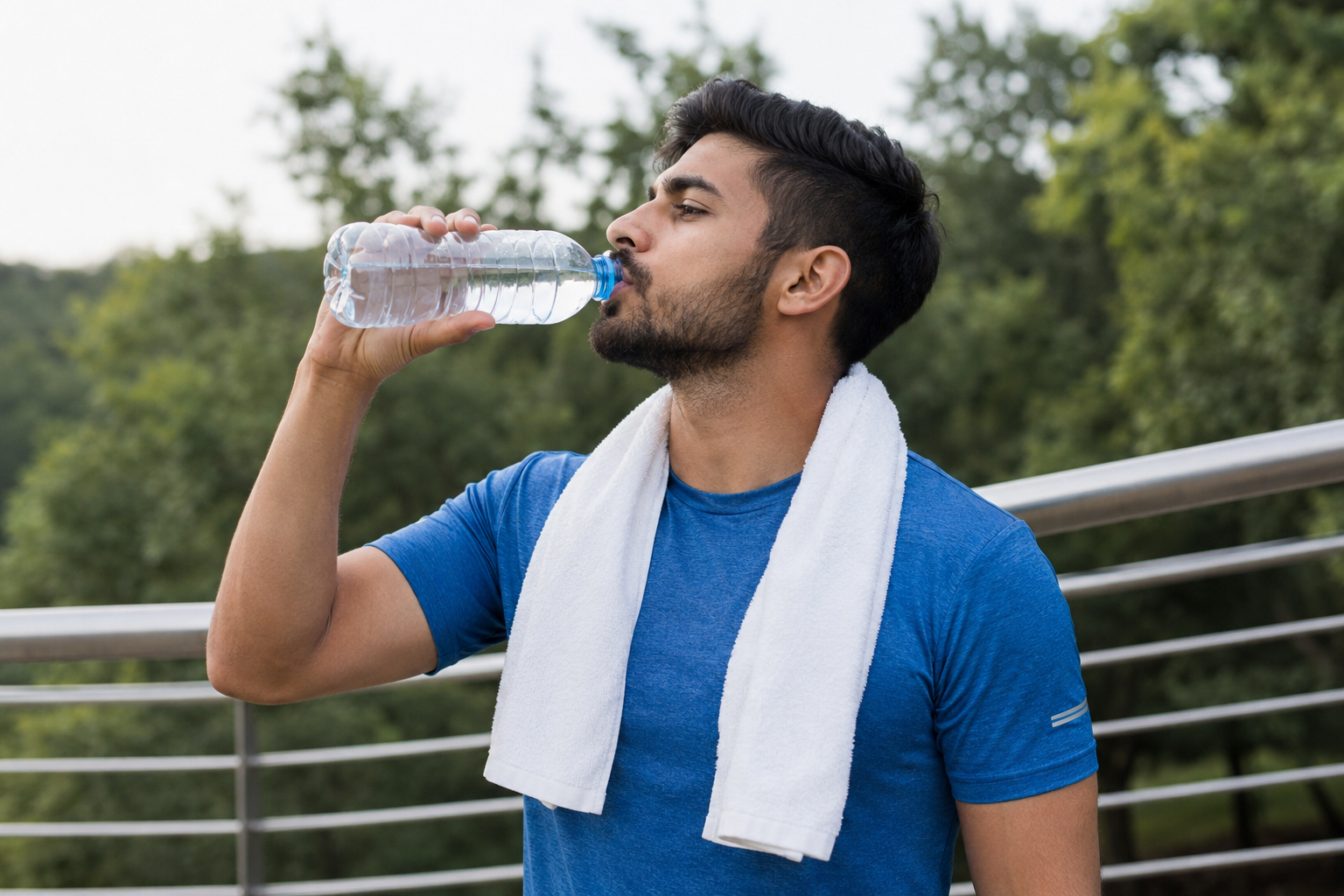
Hydration is often overlooked when people create a fitness diet. Water helps regulate body temperature, supports normal body functions, and is important during physical activity.
Your water needs depend on factors such as your activity level, weather, body size, and daily routine. You may need more water when exercising or spending time in hot weather.
Keep water available during the day and drink regularly. If you exercise for long periods or sweat heavily, paying extra attention to hydration becomes even more important.
Build Balanced Meals
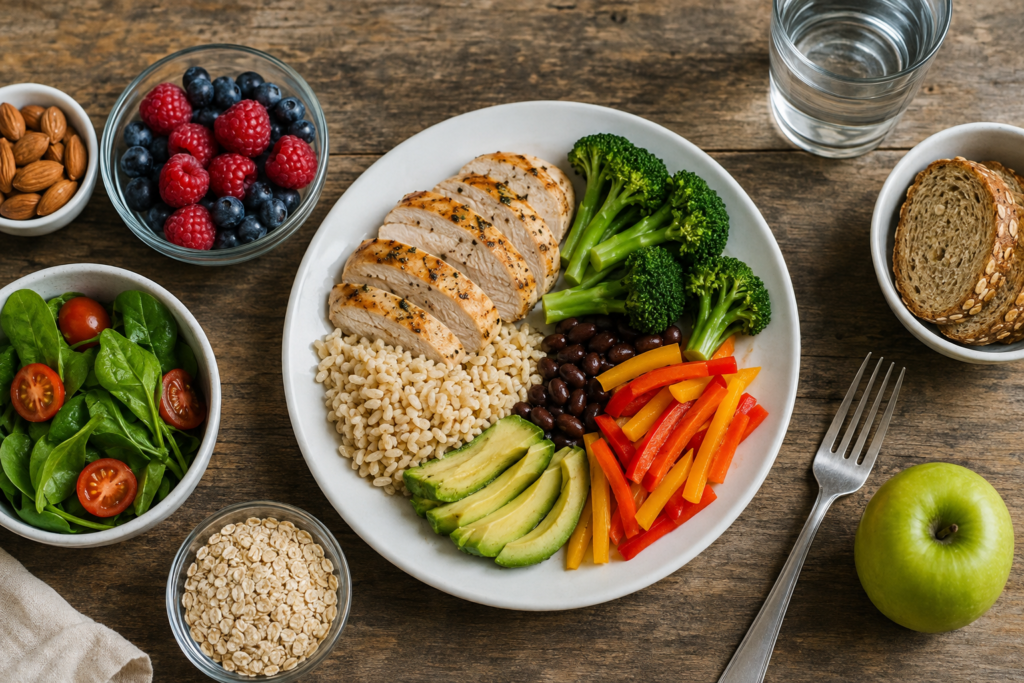
One simple way to create a balanced fitness diet is to build meals using different food groups. A meal can contain a protein source, a carbohydrate source, vegetables or fruit, and a small amount of healthy fat.
For example, you could have grilled chicken with rice and vegetables. Another option could be eggs with whole grain bread and fruit. For dinner, fish with potatoes and salad can provide a balanced combination of nutrients.
You do not need to make every meal perfect. The overall quality of your diet matters more than one individual meal.
Plan Your Meals
Meal planning can make healthy eating much easier. When you plan meals ahead of time, you are less likely to depend on fast food or unhealthy snacks when you become hungry.
Start by planning a few simple meals for the week. Make a shopping list based on those meals and keep useful foods available at home. Cook larger portions when possible so you have food ready for another meal.
Meal preparation does not need to be complicated. Even preparing boiled eggs, cooked chicken, rice, vegetables, or chopped fruit in advance can save time during busy days.
Choose Smart Snacks
Snacks can be useful when you become hungry between meals, especially if you exercise regularly. However, snacks can also add a large number of calories if you choose foods with little nutritional value.
Good snack choices include fruit with yogurt, boiled eggs, nuts, cottage cheese, peanut butter with whole grain bread, or vegetables with a healthy dip.
The best snack depends on your hunger, activity level, and fitness goals. If you are not hungry, you do not need to eat simply because it is your usual snack time.
Pay Attention to Portion Sizes
Even healthy foods can contribute to weight gain when eaten in very large amounts. Portion control is therefore an important part of creating a balanced fitness diet.
You do not need to weigh every food or count every calorie. Instead, learn to recognize reasonable portions and pay attention to hunger and fullness.
Eating slowly can also help. Your body needs time to recognize that you have eaten enough. Try to avoid eating while distracted by your phone or television because it can make it harder to notice your body’s signals.
Limit Highly Processed Foods
You do not have to completely eliminate processed foods from your diet. However, foods that are very high in added sugar, unhealthy fats, and sodium are usually better when eaten less often.
Fast food, sugary drinks, sweets, chips, and heavily processed snacks can be enjoyed occasionally, but they should not make up most of your daily diet.
A balanced fitness diet should be realistic. Completely banning certain foods can make healthy eating difficult to maintain. Instead, focus on eating nutritious foods most of the time while allowing some flexibility.
Eat Before and After Exercise
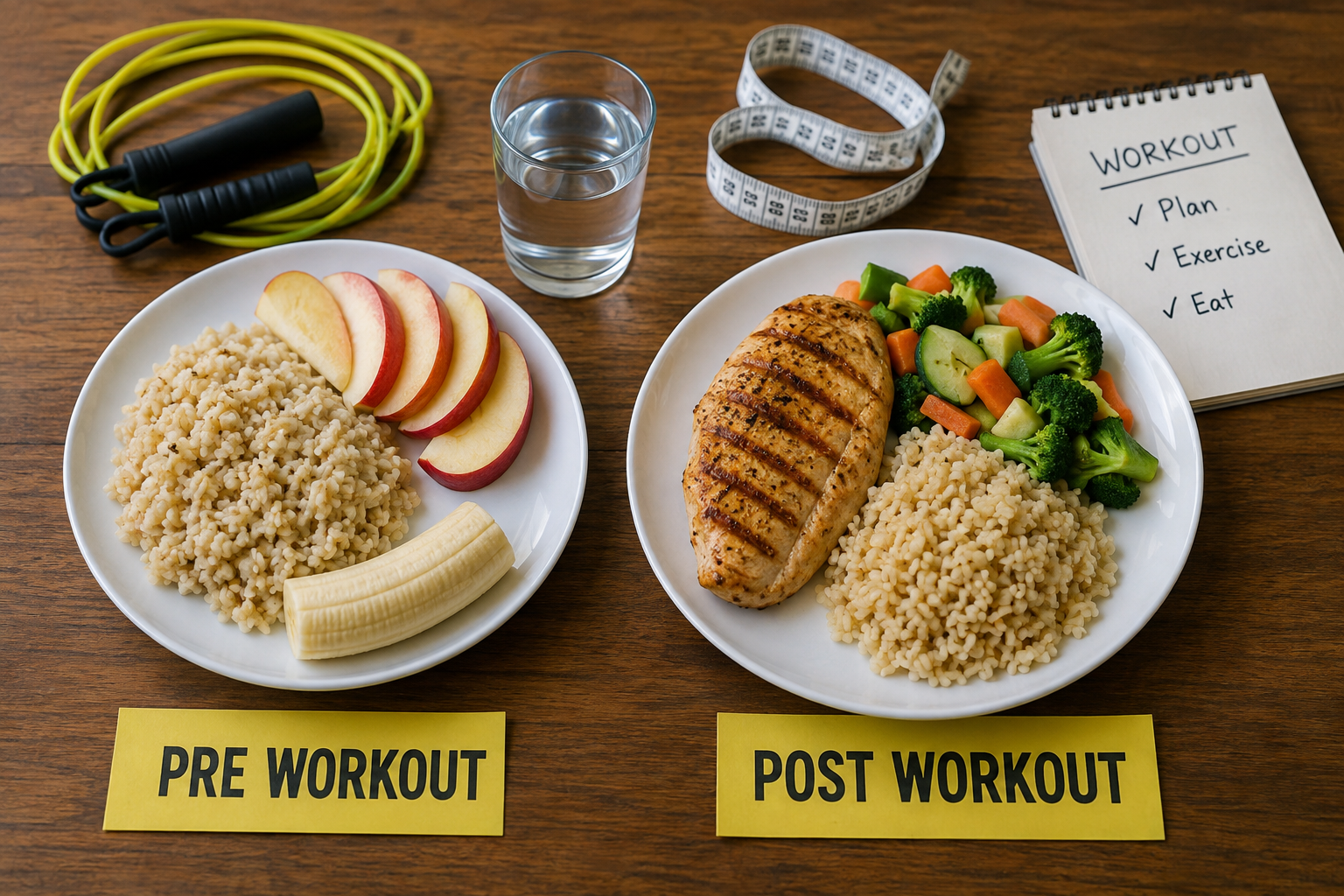
Nutrition around workouts can support your energy and recovery. Before exercise, many people benefit from eating a meal or snack containing carbohydrates and some protein. Foods such as a banana with yogurt, oats with milk, or whole grain toast with eggs can be simple options.
After exercise, eating protein can help support muscle recovery. Adding carbohydrates can also help replace energy used during exercise.
You do not always need a special fitness meal or expensive supplement. Regular nutritious foods can provide what your body needs in many situations.
Create a Diet You Can Maintain
The best balanced fitness diet is one that you can follow consistently. An extremely strict diet may work for a short period but can become difficult to maintain. Instead, create eating habits that fit your lifestyle.
Enjoy a variety of foods and allow yourself flexibility. If you eat an unhealthy meal one day, do not assume that your entire fitness journey is ruined. Simply return to your normal healthy routine at the next meal.
Consistency is more important than perfection.
Final Thoughts
Creating a balanced fitness diet is about giving your body the nutrients it needs while supporting your personal fitness goals. Include enough protein, healthy carbohydrates, vegetables, fruits, and healthy fats in your meals. Drink enough water, control portions, plan your meals, and choose nutritious snacks.
Remember that there is no single diet that works perfectly for everyone. Your nutrition needs can change depending on your goals, activity level, lifestyle, and individual circumstances. Focus on simple habits that you can maintain for the long term.
When a balanced fitness diet is combined with regular exercise, proper sleep, and a healthy lifestyle, it can help you feel more energetic and support your progress. The goal is not to eat perfectly every day. The goal is to make better choices consistently and build a healthy relationship with food that supports your fitness journey.