Losing weight can be a challenging journey, especially when you are trying different diets, workouts, and lifestyle changes without seeing the results you expect. Many people believe that losing weight simply means eating less and exercising more. While healthy eating and regular physical activity are important, several common weight loss mistakes can make the process slower and more difficult.
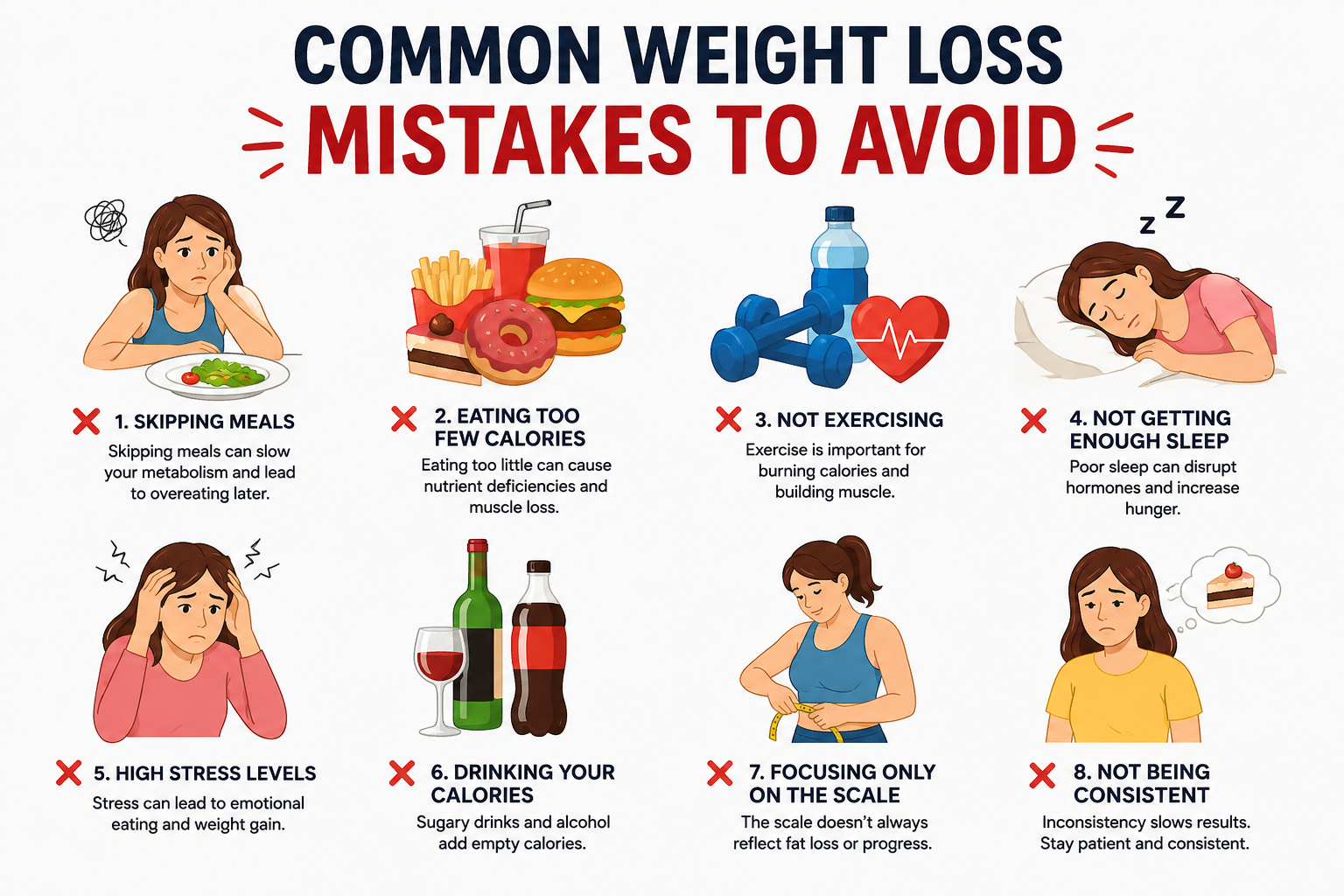
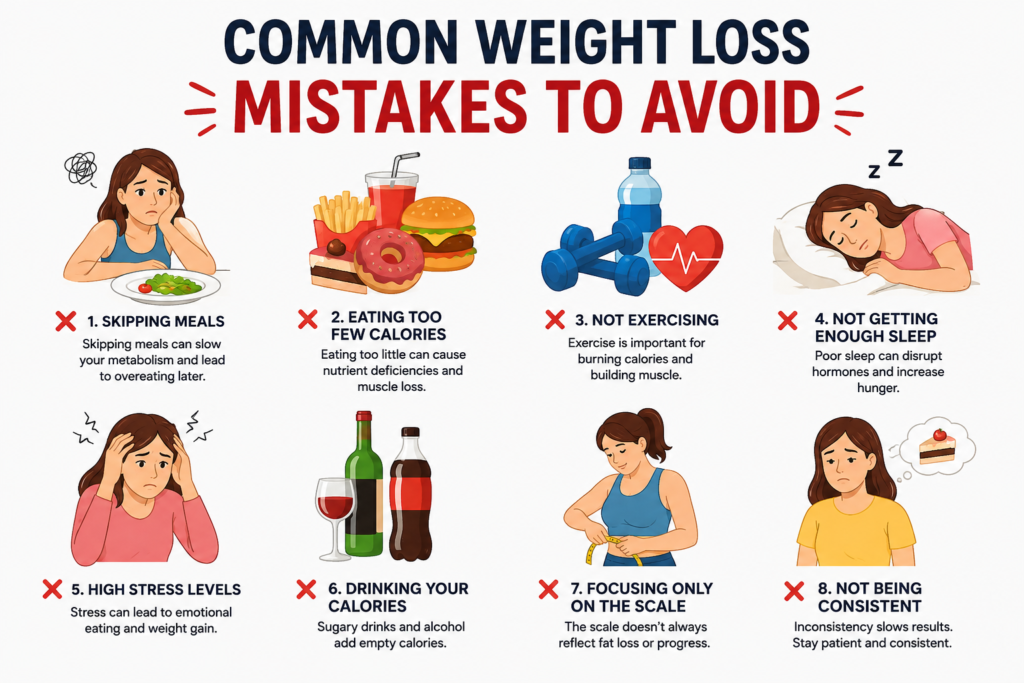
Understanding these mistakes can help you create a healthier and more realistic approach to weight loss. Instead of following extreme methods, focus on habits that you can maintain for the long term. Here are some of the most common weight loss mistakes to avoid if you want to lose weight safely and effectively.
Skipping Meals to Lose Weight
One of the most common weight loss mistakes is skipping meals. Some people believe that eating fewer meals automatically means consuming fewer calories. However, skipping meals can leave you extremely hungry later in the day.
When you become very hungry, you may be more likely to eat large portions or choose foods that are high in calories, sugar, and unhealthy fats. This can make it harder to maintain a healthy calorie balance.
Instead of skipping meals, focus on eating balanced meals that include protein, vegetables, fruits, whole grains, and healthy fats. Eating regularly can help you manage hunger and make better food choices throughout the day.
Following Extremely Low Calorie Diets
Another common mistake is following an extremely low calorie diet. Cutting calories too aggressively may produce quick changes on the scale, but it is often difficult to maintain.
Your body needs enough energy and nutrients to support normal functions. Eating far too little can leave you feeling tired, hungry, and less motivated to exercise. It can also make it difficult to follow the diet consistently.
A better approach is to create a moderate calorie deficit while eating nutritious foods. Sustainable weight loss usually comes from making realistic changes that you can continue for months and years.
Relying Only on Exercise
Exercise is an important part of a healthy lifestyle, but relying only on exercise for weight loss is another common mistake. Some people spend hours working out while continuing to eat more calories than their body needs.
Physical activity can help burn calories, build muscle, improve fitness, and support overall health. However, nutrition also plays an important role in managing body weight.
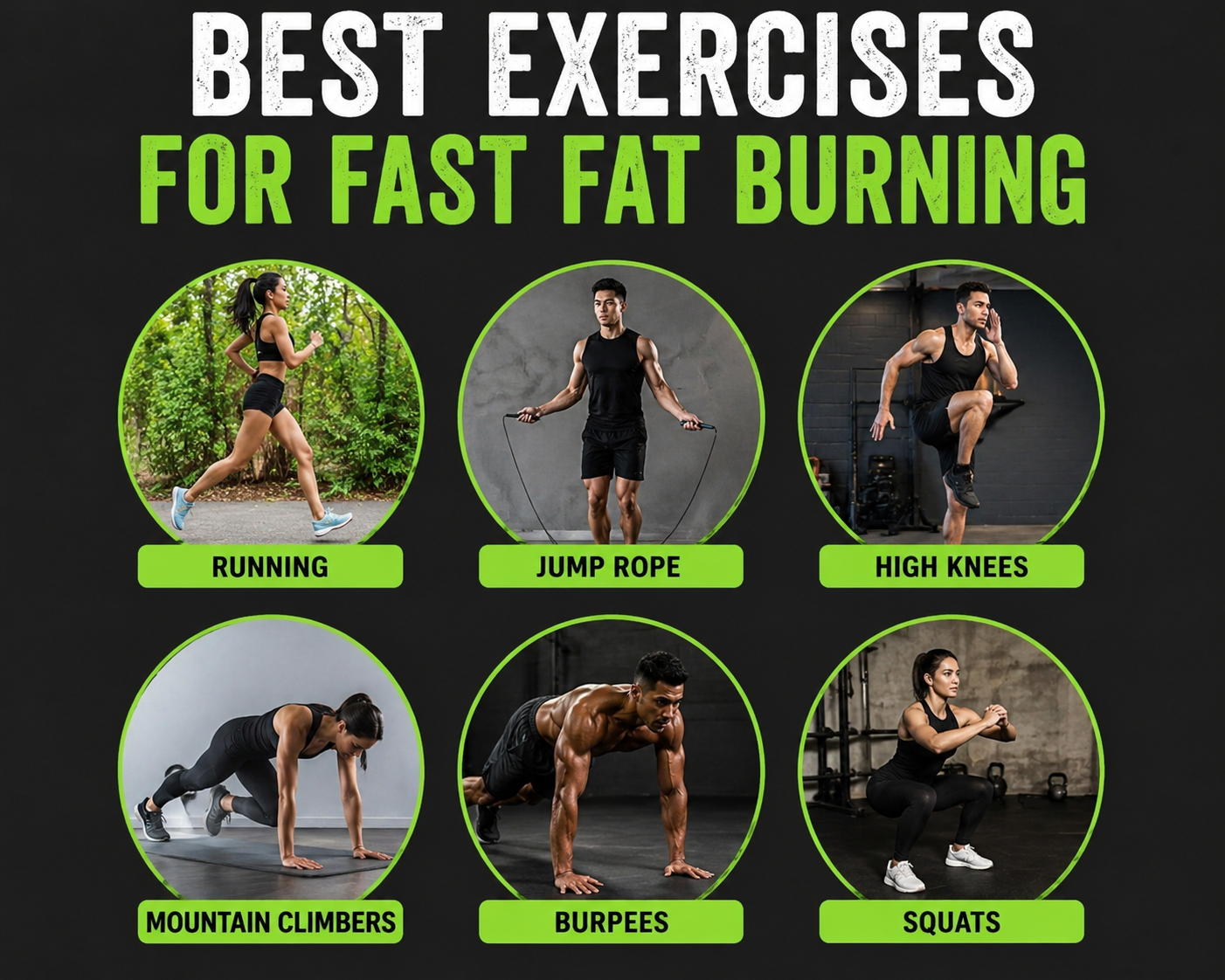
Combine regular exercise with a balanced diet. Walking, strength training, cycling, swimming, and other enjoyable activities can all support your weight loss goals.
Avoiding All Carbohydrates
Carbohydrates are often blamed for weight gain, which causes many people to remove them completely from their diet. This is not necessary for most people.
Healthy carbohydrate sources such as oats, brown rice, potatoes, beans, fruits, and whole grains provide energy and important nutrients. The bigger issue is often the quality and quantity of carbohydrate rich foods.
Instead of avoiding all carbohydrates, choose nutritious sources and pay attention to portion sizes. A balanced diet can include carbohydrates while still supporting healthy weight loss.
Expecting Very Fast Results
Many people expect to lose a large amount of weight within a few weeks. When the scale does not move quickly, they may become frustrated and give up.
Healthy weight loss takes time. Your weight can also change from day to day because of water, food intake, activity levels, and other normal factors.
Instead of focusing only on rapid results, concentrate on developing healthy habits. Consistent progress is more valuable than extreme short term changes.
Not Eating Enough Protein
Protein is an important nutrient for people who want to lose weight. It can help you feel satisfied after meals and supports muscle maintenance.
Not eating enough protein can make it harder to stay full, especially when you are reducing your calorie intake. Include protein rich foods such as eggs, chicken, fish, yogurt, beans, lentils, cottage cheese, and other nutritious options in your meals.
A protein rich breakfast can also help you start the day with a satisfying meal and reduce unnecessary snacking later.
Drinking Too Many Sugary Beverages
Liquid calories are easy to overlook. Soft drinks, sweetened juices, flavored coffees, energy drinks, and other sugary beverages can contain a significant amount of sugar and calories.
Because drinks may not make you feel as full as solid foods, you can consume many extra calories without realizing it.
Water is usually the best choice for everyday hydration. Unsweetened tea and coffee can also be good options depending on how they are prepared.
Ignoring Portion Sizes
Even healthy foods can contribute to weight gain when eaten in very large portions. Many people focus on food quality but forget about quantity.
Learning about reasonable portion sizes can make weight loss easier without requiring you to completely eliminate your favorite foods.
Try serving meals on appropriate plates and paying attention while eating. Avoid eating directly from large packages because it can make it difficult to recognize how much you have consumed.
Cutting Out Favorite Foods Completely
Completely banning your favorite foods can make a weight loss plan feel restrictive. When people tell themselves they can never eat certain foods again, cravings may become stronger.
A healthier approach is moderation. You can occasionally enjoy your favorite foods while keeping your overall diet balanced.
The goal is not to create a perfect diet. The goal is to create eating habits that are realistic and sustainable.
Not Getting Enough Sleep
Sleep is often overlooked when people are trying to lose weight. Poor sleep can affect your energy, appetite, mood, and daily activity.
When you are tired, you may find it harder to exercise and easier to choose convenient high calorie foods. Creating a regular sleep routine can support your overall weight loss efforts.
Aim for a consistent bedtime and wake up schedule. Reduce unnecessary screen use before bed and create a comfortable sleeping environment.
Weighing Yourself Too Often
Checking your weight several times a day can create unnecessary stress. Body weight naturally changes because of water retention, food, digestion, and other factors.
Instead of becoming worried about small daily changes, look at your progress over a longer period. Weekly measurements under similar conditions can provide a more useful picture of your progress.
You can also track other signs of improvement, such as better energy, improved fitness, better clothing fit, and increased strength.
Depending on Weight Loss Supplements
Weight loss supplements are often promoted as quick solutions, but they should not replace healthy eating and regular physical activity.
Many products make impressive claims about rapid fat loss. However, a sustainable weight loss plan should focus primarily on nutrition, movement, sleep, and consistent lifestyle habits.
Before using any supplement, consider speaking with a qualified healthcare professional, especially if you take medications or have an existing health concern.
Not Drinking Enough Water
Water is important for normal body functions and can support healthy eating habits. Some people confuse thirst with hunger and end up eating when they actually need fluids.
Keeping water available throughout the day can make it easier to stay hydrated. Drinking water before meals may also help some people feel more satisfied.
However, water is not a magic weight loss solution. It works best as part of a complete healthy lifestyle.
Giving Up After One Bad Meal
One unhealthy meal does not ruin your entire weight loss plan. A common mistake is thinking that after eating something unhealthy, the entire day or week is already lost.
This mindset can lead to overeating and make it harder to return to healthy habits.
Instead, accept that occasional treats are normal. Simply return to your usual eating routine at the next meal. Progress comes from what you do consistently, not from one imperfect choice.
Not Tracking Your Eating Habits
You do not necessarily need to count every calorie forever, but understanding your eating habits can be helpful.
Keeping a simple food journal can show you where extra calories are coming from. You may discover that frequent snacks, sugary drinks, large portions, or weekend meals are affecting your progress.
Tracking your habits for a short period can help you identify patterns and make practical changes.
Focusing Only on the Scale
The scale is useful, but it should not be the only way you measure success. Body composition, muscle development, fitness, energy levels, and daily habits are also important.
Someone who starts strength training may become stronger and healthier even if their weight changes slowly.
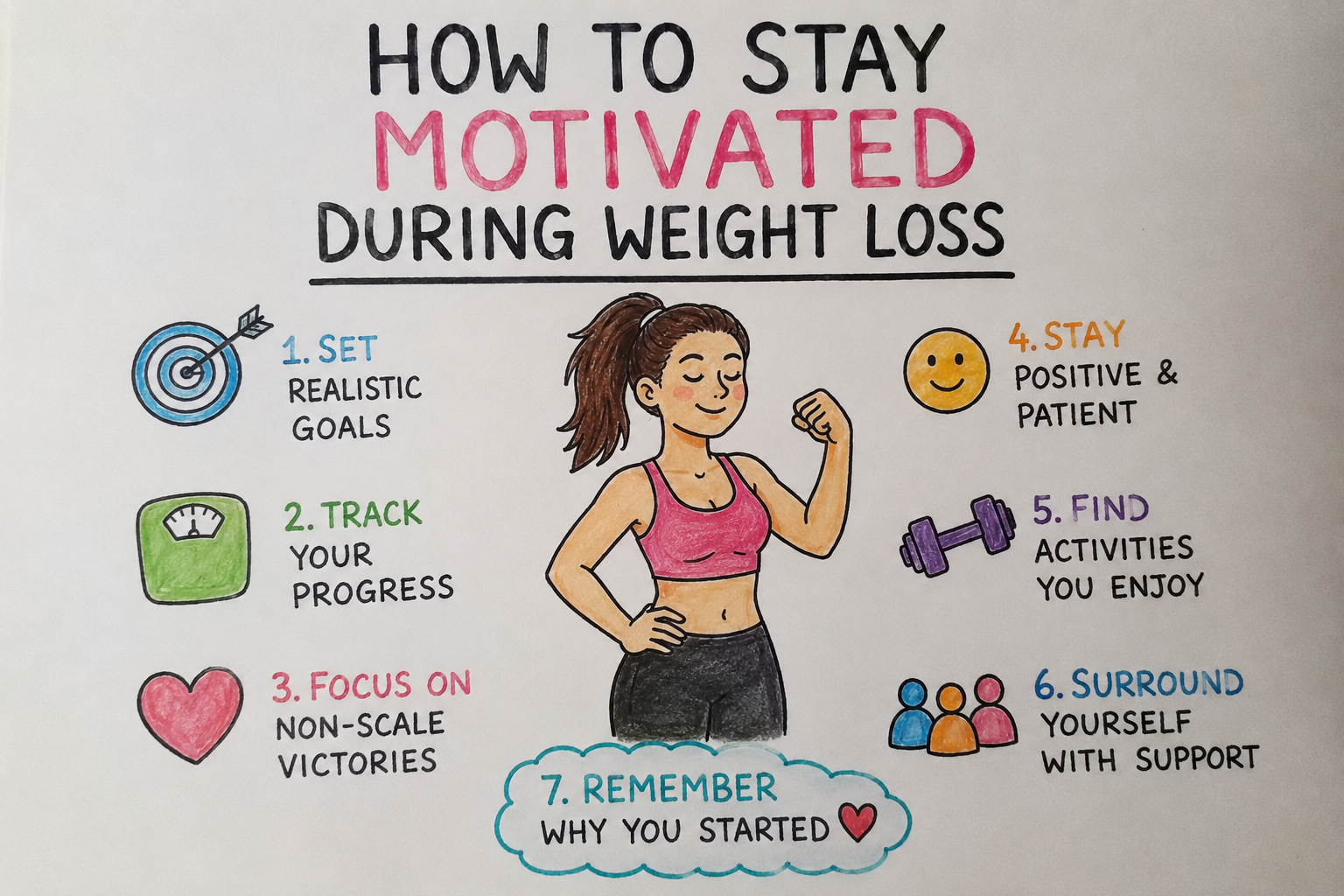
Focus on becoming healthier rather than simply becoming lighter. This mindset can make your weight loss journey more positive and sustainable.
Conclusion
Avoiding common weight loss mistakes can make your journey much easier and more realistic. Skipping meals, following extreme diets, avoiding all carbohydrates, relying only on exercise, drinking sugary beverages, ignoring portion sizes, and expecting fast results can all make weight management more difficult.
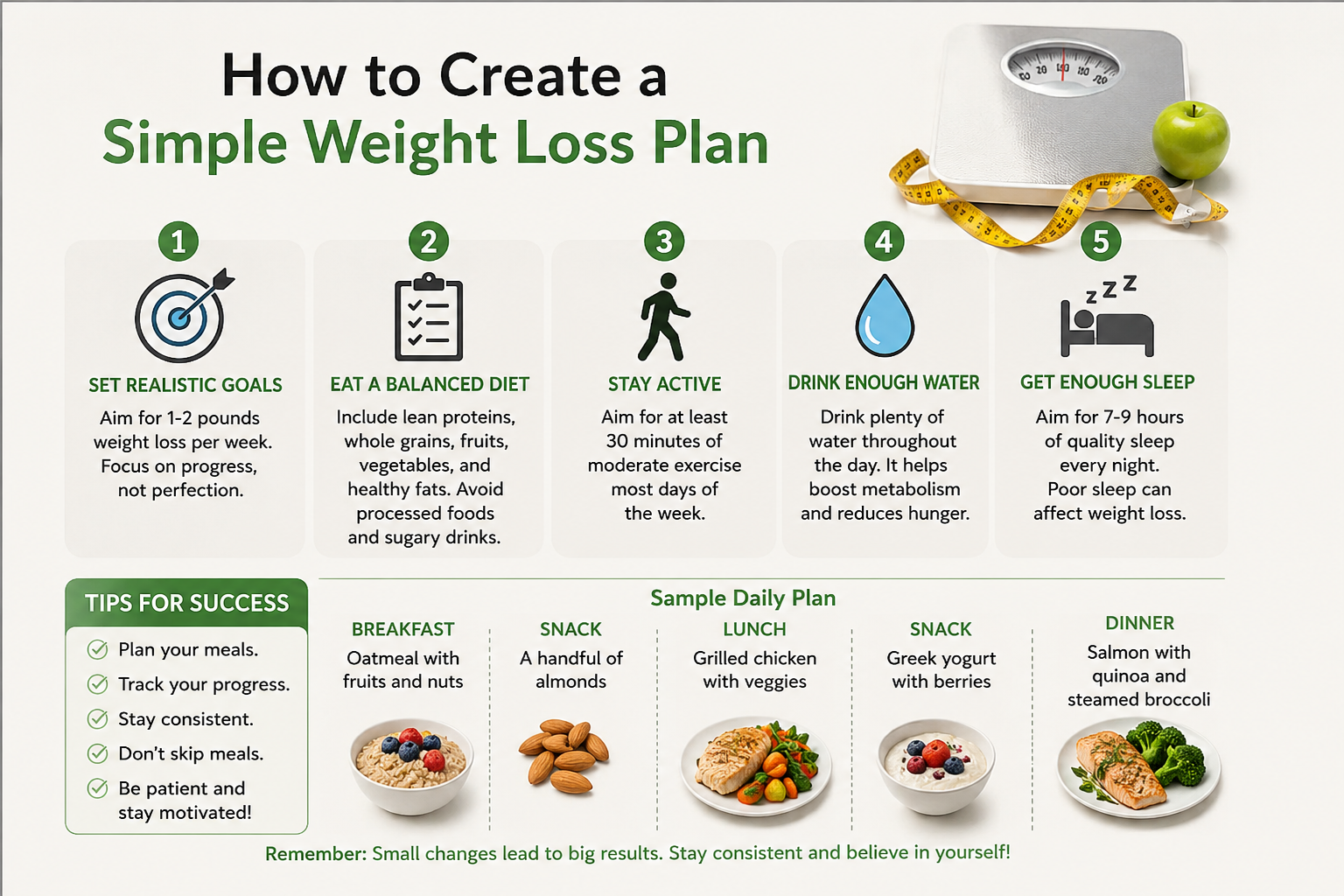
The best approach is to focus on balanced nutrition, regular physical activity, enough sleep, proper hydration, and consistent habits. Do not expect perfection. Small improvements made consistently can create meaningful long term results.
Remember that healthy weight loss is not about finding a quick solution. It is about building a lifestyle that supports your health and fitness goals. By understanding these common weight loss mistakes to avoid, you can create a practical plan that is easier to follow and maintain over time.