Losing weight does not have to mean following a strict diet or spending hours in the gym every day. A simple weight loss plan can help you improve your eating habits, become more active, and create a routine that you can follow for a long time. The most important part of successful weight loss is consistency. Small changes made regularly can produce better results than extreme methods that are difficult to maintain.
If you want to lose weight in a healthy way, your plan should include balanced nutrition, regular physical activity, enough sleep, proper hydration, and realistic goals. This guide explains how to create a simple weight loss plan that fits easily into your daily life.
Set a Realistic Weight Loss Goal
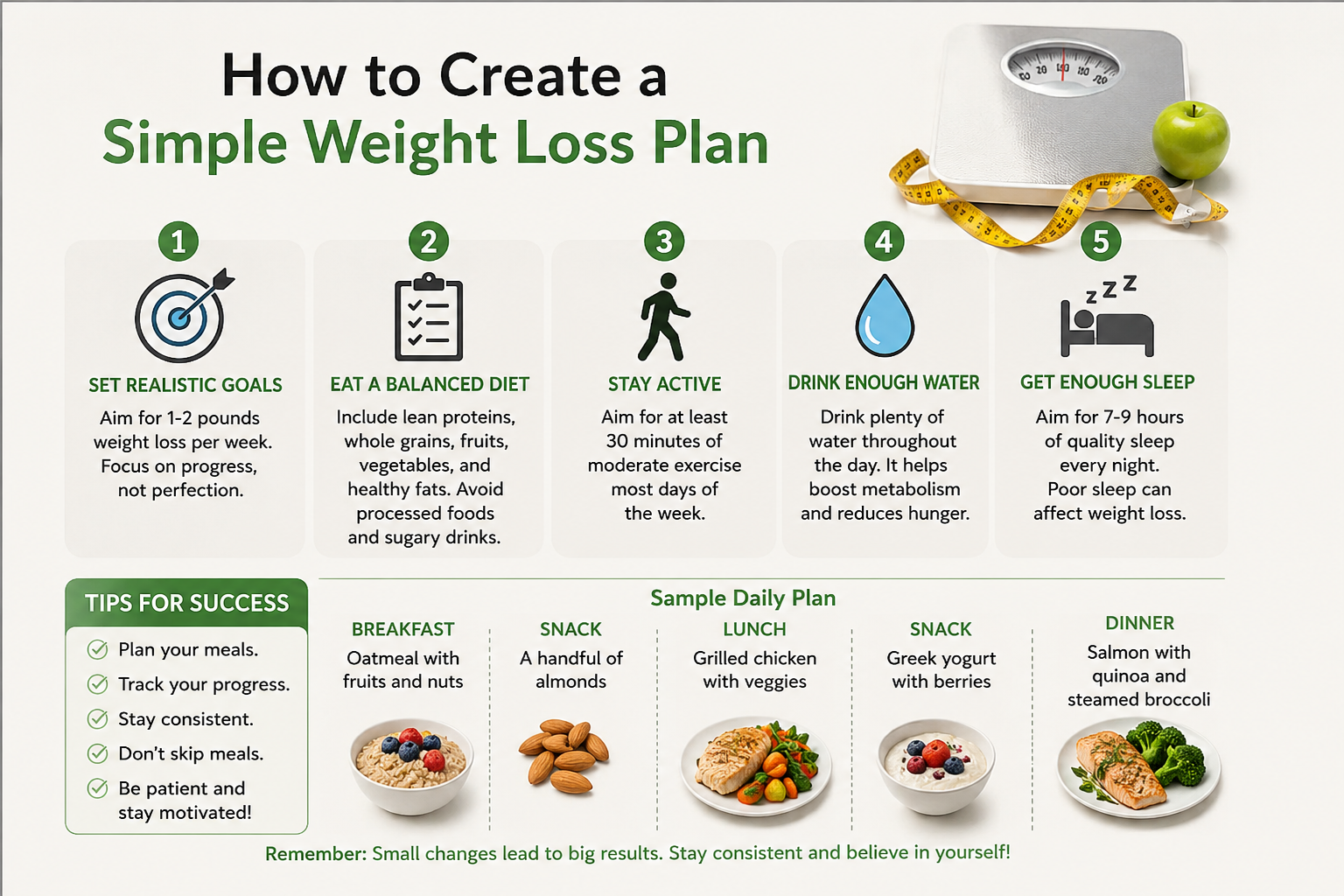
The first step in creating a simple weight loss plan is setting a realistic goal. Many people make the mistake of expecting very fast results. This can lead to disappointment and may encourage unhealthy eating habits.
Instead of focusing only on a specific number on the scale, create small goals that you can achieve step by step. For example, you can aim to improve your meals, walk more each day, reduce sugary drinks, or exercise several times a week.
A realistic weight loss goal gives you something positive to work toward without making your routine feel impossible. Remember that healthy weight loss takes time, and your progress may not be the same every week.
Understand Your Eating Habits
Before changing your diet, take some time to understand what you currently eat. Pay attention to your meals, snacks, drinks, and portion sizes.
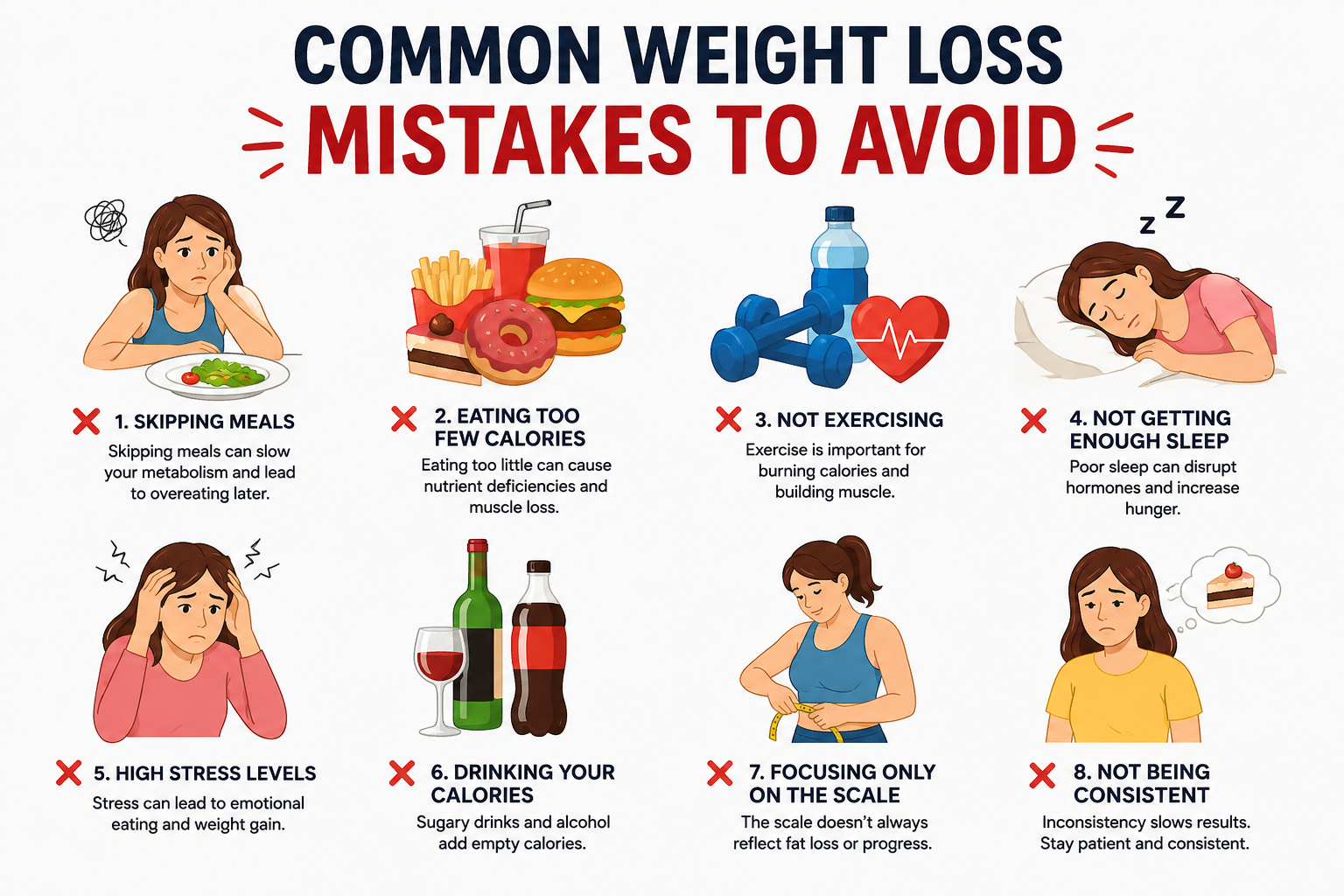
You do not need to follow a complicated diet plan. Start by identifying foods that may be contributing extra calories to your daily routine. Sugary drinks, fried foods, sweets, highly processed snacks, and oversized portions can make weight management more difficult.
Once you understand your eating habits, you can make simple changes. For example, replace sugary drinks with water, choose fruit instead of sugary snacks, and include more vegetables with your main meals.
Build Balanced Meals
A simple weight loss plan should include balanced meals that provide the nutrients your body needs. Instead of completely avoiding carbohydrates or fats, focus on choosing nutritious foods and reasonable portions.
Try to include a source of protein in your meals. Eggs, fish, chicken, beans, lentils, yogurt, and other protein rich foods can help make meals satisfying.
Vegetables and fruits are also important because they provide vitamins, minerals, fiber, and other nutrients. Whole grains such as oats, brown rice, and whole grain bread can also be part of a balanced eating plan.
Healthy fats can come from foods such as nuts, seeds, avocados, and certain plant oils. The key is to enjoy these foods in sensible amounts.
Control Your Portion Sizes
Portion control is an important part of a simple weight loss plan. Even healthy foods can contribute too many calories when eaten in very large amounts.
You do not always need to weigh every food or count every calorie. Instead, learn to recognize reasonable portions. Use a smaller plate when appropriate, eat slowly, and pay attention to your hunger and fullness signals.
Try to avoid eating directly from large packages because it can be easy to lose track of how much you have eaten. Serving food on a plate or bowl can make portions easier to understand.
Drink More Water
Water should be an important part of your weight loss routine. Many drinks contain added sugar and calories without providing much nutritional value.
Choose water as your main drink throughout the day. If plain water feels boring, you can add lemon, mint, or slices of fruit for extra flavor.
Staying hydrated can also help you distinguish between thirst and hunger. Drinking water regularly is a simple habit that can support your overall healthy lifestyle.
Add Regular Physical Activity
Exercise does not have to be complicated. You can start with activities that you enjoy and that fit your schedule.
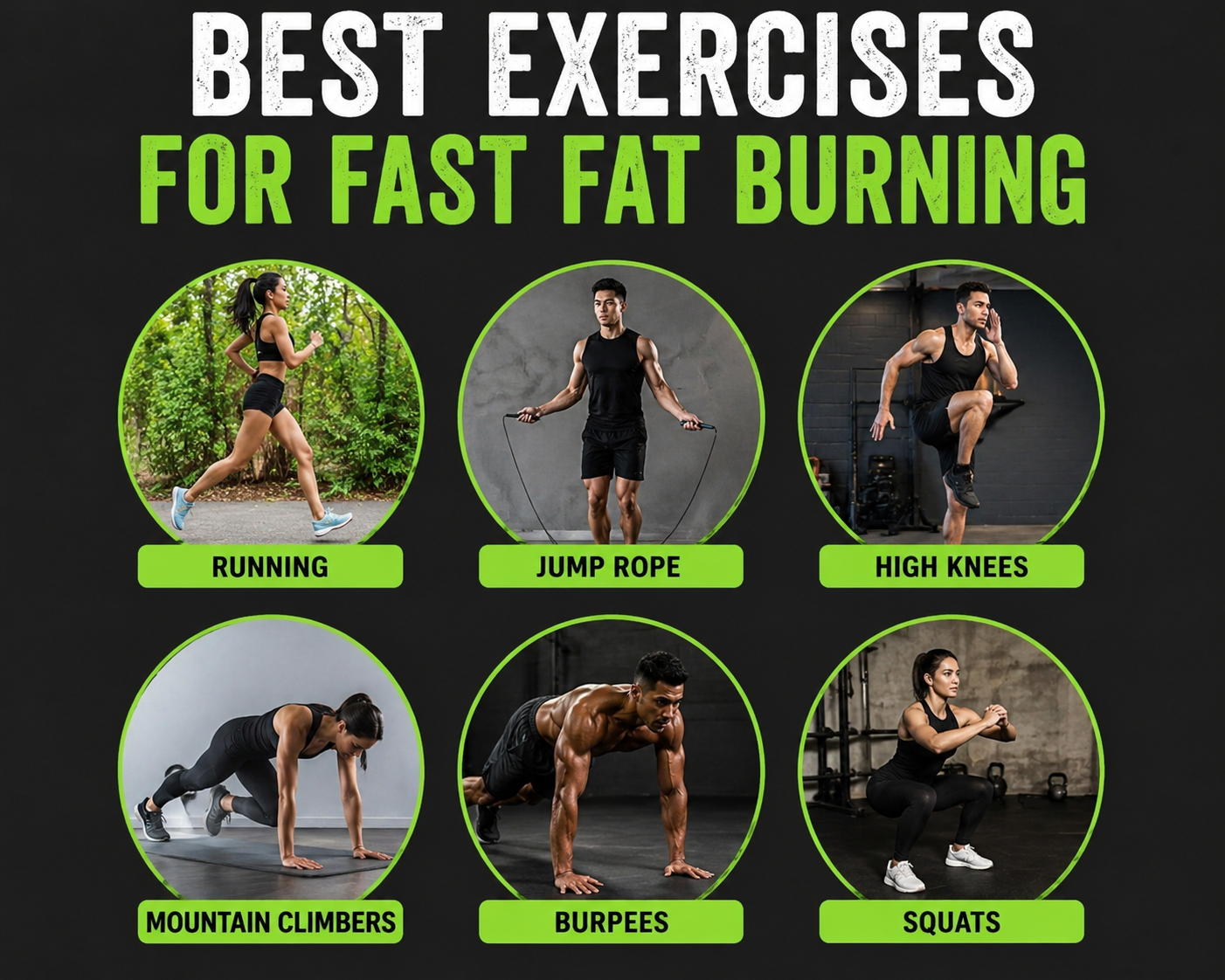
Walking is one of the easiest ways to become more active. You can walk in your neighborhood, at a park, or even add short walks to your daily routine. Other options include cycling, swimming, dancing, jogging, or home workouts.
The best exercise for weight loss is often the activity you can perform consistently. Start at a comfortable level and gradually increase the amount of activity as your fitness improves.
Include Strength Training
Cardio activities such as walking and cycling can be useful, but strength training can also play an important role in a weight loss plan. Strength exercises help improve muscle strength and support overall physical fitness.
You can perform simple exercises at home using your body weight. Squats, lunges, wall push ups, and other basic movements can be included in a beginner friendly workout.
If you are new to exercise, focus on learning proper form rather than trying to do a large number of repetitions. Gradually increase the difficulty as you become stronger.
Create a Weekly Workout Routine
A simple schedule can make exercise easier to maintain. Instead of deciding every day whether you will work out, choose specific days and times for physical activity.
For example, you could take a brisk walk several days a week and perform basic strength exercises on other days. You can also include lighter activities on days when you are busy.
Your routine does not have to be perfect. If you miss a workout, simply return to your plan the next day. One missed workout does not destroy your progress.
Get Enough Sleep
Sleep is often overlooked when people create a weight loss plan. However, good sleep is an important part of a healthy lifestyle.
Try to maintain a consistent sleeping schedule and create a relaxing bedtime routine. Reduce unnecessary screen time before bed and make your sleeping environment comfortable.
When you are tired, it can become harder to maintain healthy eating and exercise habits. Getting enough quality sleep can make it easier to stay consistent with your goals.
Track Your Progress
Tracking your progress can help you understand what is working. You can record your weight, measurements, workouts, meals, or daily habits.
Do not rely only on the number on the scale. Your weight can change because of water, food, activity, and other normal factors. Pay attention to other improvements as well, such as having more energy, feeling stronger, walking farther, or becoming more comfortable with your routine.
A simple notebook or phone app can be enough for tracking your progress. The goal is to become more aware of your habits rather than becoming obsessed with daily changes.
Avoid Extreme Diets
Many people try extreme diets because they promise fast weight loss. These approaches may be difficult to maintain and can make healthy eating feel unnecessarily complicated.
Instead of completely removing large groups of foods, focus on balance and moderation. A sustainable weight loss plan should allow you to enjoy food while gradually improving your overall eating habits.
If a diet feels impossible to follow for more than a short period, it may not be the right approach for you.
Make Your Plan Easy to Follow
The best weight loss plan is one that fits your lifestyle. If you have a busy schedule, prepare simple meals that do not require hours of cooking. Keep nutritious foods available at home so you have better options when you become hungry.
You can also prepare some meals in advance. Planning your meals before the week begins can reduce the chance of relying on fast food or unhealthy snacks.
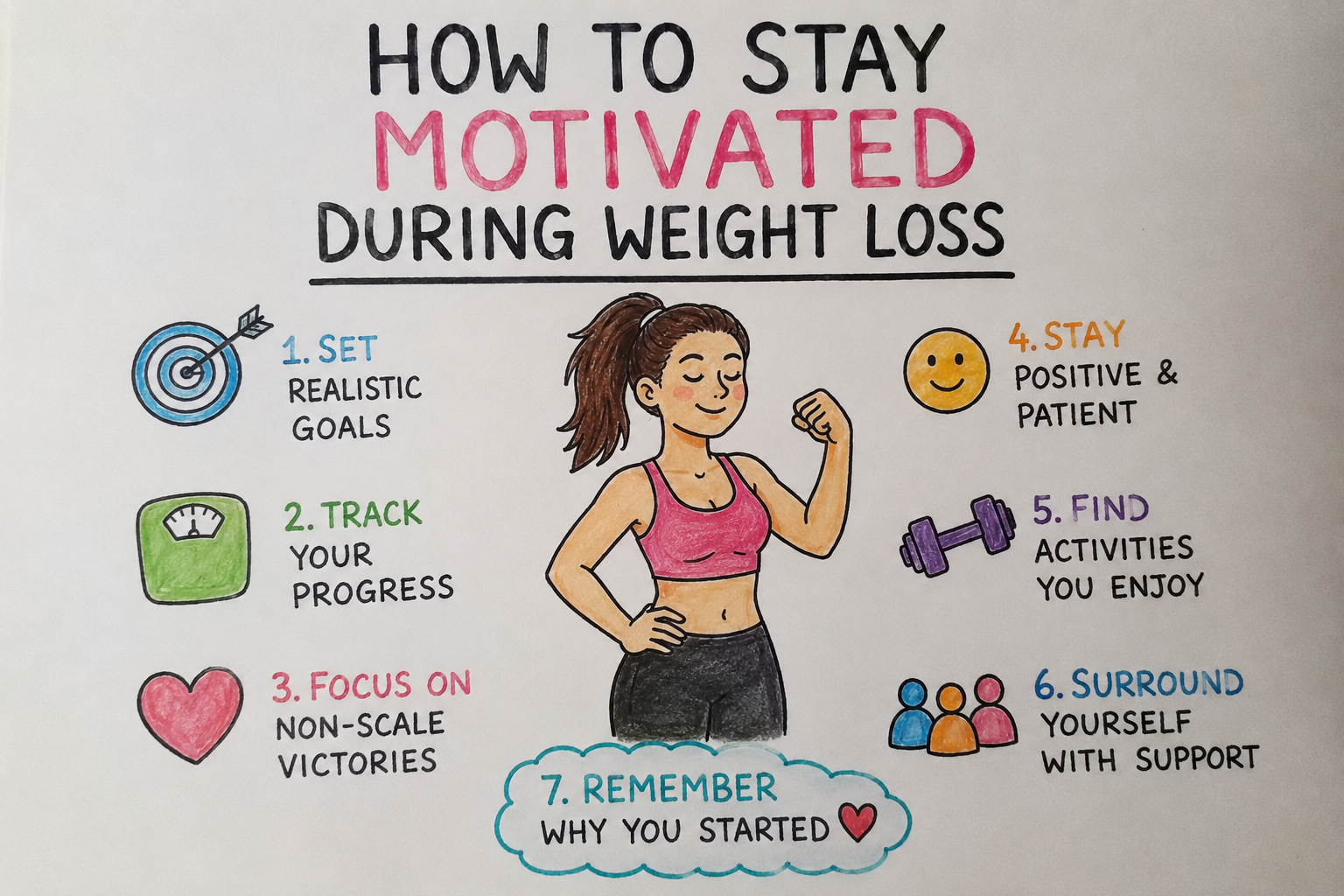
Keep your goals simple and focus on one habit at a time. Once a healthy habit becomes part of your routine, you can add another one.
Stay Consistent
Consistency is more important than perfection. You may have days when you eat more than planned or skip exercise. That does not mean your weight loss plan has failed.
Instead of giving up after one difficult day, return to your normal routine at the next meal or the following day. Progress comes from what you do most of the time, not from being perfect every day.
Celebrate small improvements and give yourself time to develop healthier habits.
Conclusion
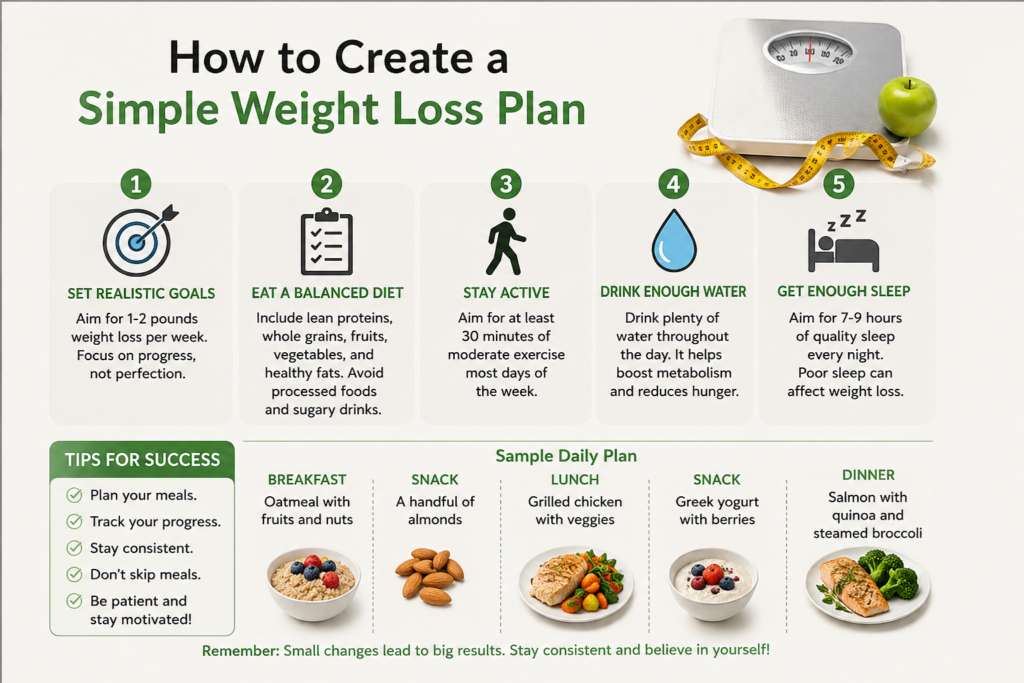
Creating a simple weight loss plan does not require complicated rules or extreme restrictions. Start by setting realistic goals, improving your meals, controlling portions, drinking more water, staying physically active, getting enough sleep, and tracking your progress.
The most effective weight loss plan is one that you can maintain as part of your everyday lifestyle. Focus on small changes and build better habits gradually. With patience, consistency, and a balanced approach, you can work toward healthy weight management without making your life unnecessarily difficult.
If you have a medical condition, take medications, are pregnant, or have special nutritional needs, consider speaking with a qualified healthcare professional before making major changes to your diet or exercise routine.