Red meat has been a part of human diets for thousands of years and continues to be a popular food choice around the world. Many people enjoy beef, mutton, and other types of red meat because of their rich taste, high protein content, and valuable nutrients. However, there is often confusion about whether red meat can fit into a healthy lifestyle. The truth is that red meat can be included in a balanced diet when it is eaten in the right amount and prepared in a healthy way.
A balanced diet is not about completely avoiding certain foods. It is about creating the right combination of proteins, carbohydrates, healthy fats, vitamins, and minerals that support overall health. Red meat can provide important nutrients that help with muscle growth, energy production, and body strength. The key is choosing quality meat, controlling portions, and combining it with vegetables, whole grains, and other healthy foods.
Understanding Red Meat and Its Nutritional Value
Red meat mainly includes beef, mutton, lamb, and similar meats that have a darker color because they contain more myoglobin, a protein that stores oxygen in muscles. These foods are naturally rich in essential nutrients that the body needs for daily activities.
One of the biggest benefits of red meat is its high quality protein. Protein is necessary for building and repairing muscles, supporting immune function, and maintaining healthy body tissues. People who exercise regularly or want to improve their fitness performance often include protein rich foods like red meat in their meal plans.
Red meat is also an excellent source of iron. Iron helps the body produce hemoglobin, which carries oxygen through the blood. A lack of iron can lead to tiredness and low energy levels. The iron found in red meat is called heme iron, which the body can absorb more easily compared with plant based sources.
Another important nutrient in red meat is vitamin B12. This vitamin supports healthy nerves, brain function, and the production of red blood cells. Since vitamin B12 is mainly found in animal foods, red meat can be a useful option for people who need more of this nutrient.
Red meat also provides zinc, selenium, and other minerals that support metabolism, immunity, and overall wellness.
Choosing the Right Type of Red Meat
Not all red meat options are the same. The nutritional value can change depending on the cut, fat content, and cooking method. Choosing lean cuts of red meat is one of the best ways to enjoy its benefits while maintaining a healthy diet.
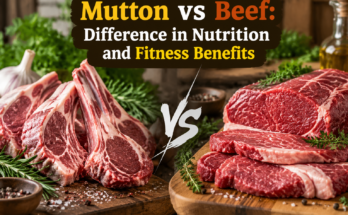
Lean beef cuts such as sirloin, round cuts, and tenderloin usually contain less visible fat compared with fatty cuts. For mutton and lamb, removing extra fat before cooking can help reduce unnecessary calorie intake.
When buying red meat, freshness and quality are also important. Fresh meat from a reliable source usually provides better taste and safety. Choosing grass fed or responsibly raised meat can also be beneficial because some types may have a better nutritional profile.
Processed meats such as sausages, bacon, and heavily preserved meat products are different from fresh red meat. These products often contain added salt, preservatives, and other ingredients. They should generally be consumed less frequently compared with fresh beef or mutton.
How Much Red Meat Should You Eat?
The amount of red meat a person should eat depends on their age, activity level, health goals, and overall diet. Red meat does not need to be removed completely from a healthy eating plan. Instead, it should be enjoyed in moderation.
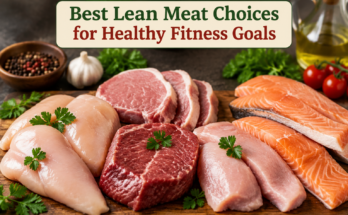
A balanced approach means using red meat as one part of a varied diet rather than the only source of nutrition. For example, a person can include red meat on some days and choose other protein sources such as chicken, fish, eggs, beans, lentils, and dairy products on other days.
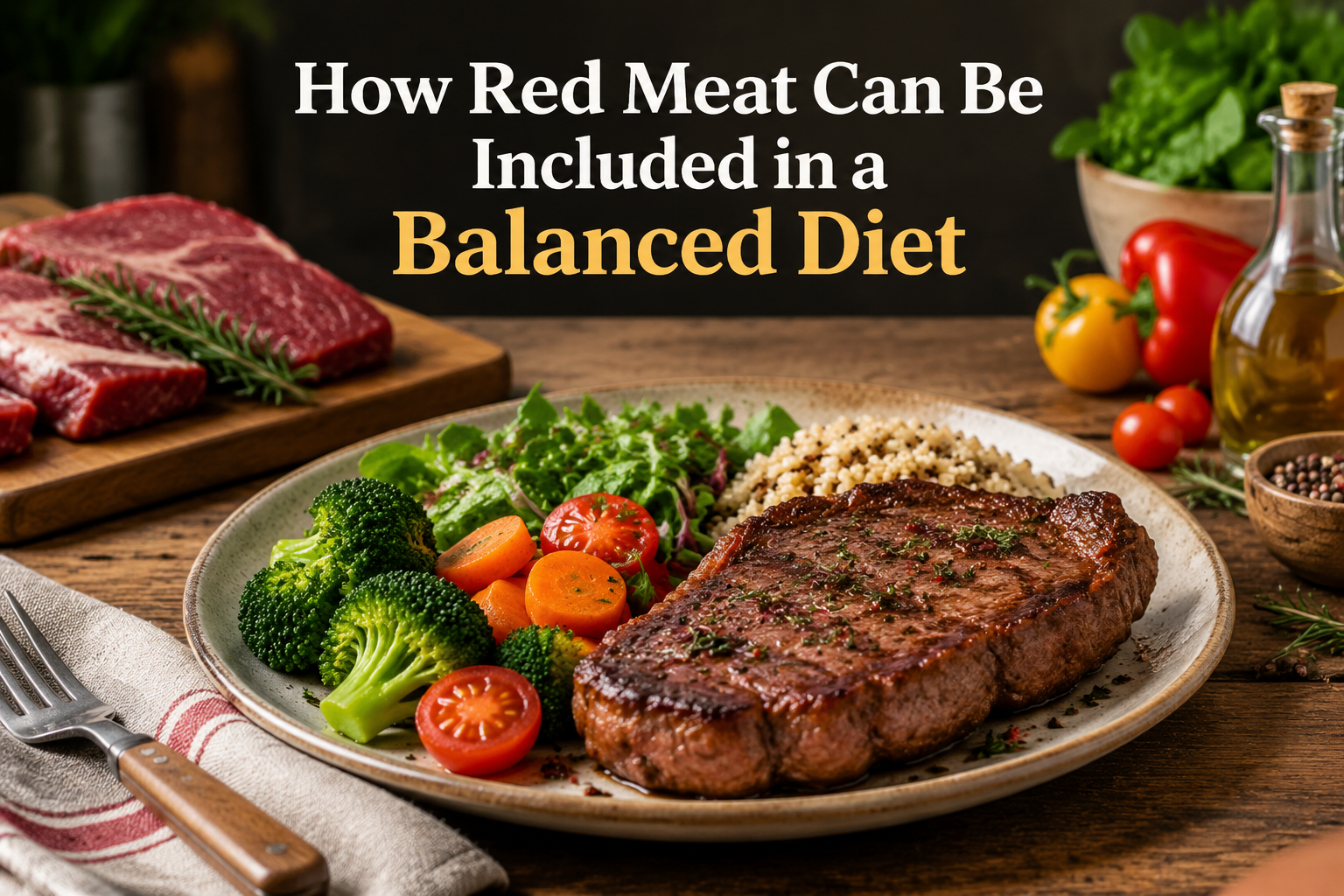
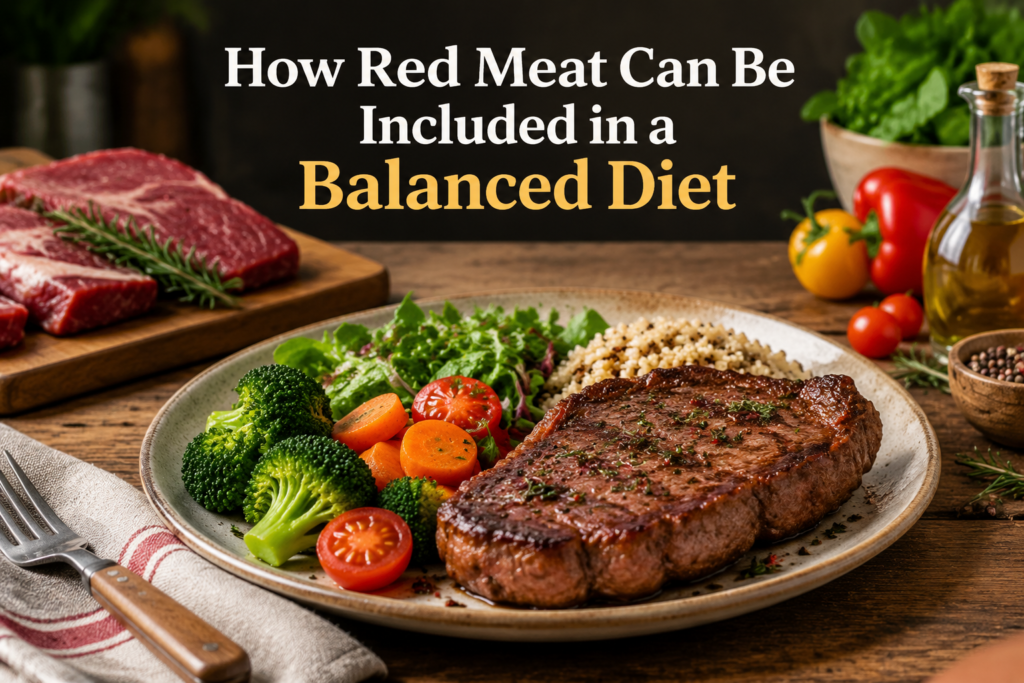
Portion control is important. A large plate filled mostly with meat may provide too many calories and reduce the space available for vegetables and other important foods. A balanced meal usually includes a moderate serving of meat along with vegetables, whole grains, or healthy carbohydrates.
Red Meat for Muscle Growth and Fitness
Many fitness enthusiasts include red meat in their diets because of its protein content and important nutrients. Building muscle requires regular exercise, enough protein, proper recovery, and a balanced diet.
The amino acids found in red meat help repair muscle fibers after workouts. This makes it a useful food choice for athletes, gym beginners, and active individuals who want to support muscle development.
Red meat also contains creatine, a natural compound stored in muscles that helps provide energy during high intensity activities. Although the body produces creatine naturally, getting additional creatine from foods like red meat can support physical performance.
However, eating more meat alone does not guarantee better fitness results. A successful fitness diet should include enough vegetables, fruits, carbohydrates, healthy fats, and proper hydration.
Healthy Ways to Prepare Red Meat
The cooking method plays an important role in making red meat part of a healthy diet. Simple cooking methods can help maintain nutrition while reducing unnecessary fats.
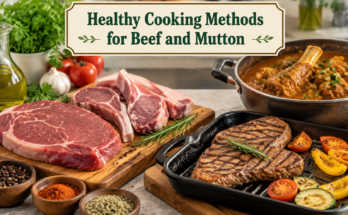
Grilling, baking, roasting, boiling, and slow cooking are healthier options compared with deep frying. Using herbs and spices can add flavor without needing large amounts of oil or salt.
Cooking meat with vegetables is another excellent approach. For example, beef or mutton can be combined with carrots, spinach, peppers, tomatoes, and other vegetables to create a balanced meal.
It is also important to avoid overcooking meat at extremely high temperatures for long periods. Proper cooking improves safety while maintaining better food quality.
Combining Red Meat With Other Healthy Foods
A balanced diet is created by combining different food groups. Red meat works best when it is paired with nutrient rich foods.
Adding vegetables to a meal provides fiber, vitamins, and antioxidants. Foods like broccoli, spinach, carrots, and green beans can improve the overall nutritional value of a red meat meal.
Whole grains such as brown rice, oats, and whole wheat bread provide energy supporting carbohydrates. These foods help active people maintain energy levels throughout the day.
Healthy fats from sources like nuts, seeds, olive oil, and avocados also have an important role in overall nutrition. A balanced meal includes a variety of nutrients rather than focusing on only one food group.
Red Meat and Weight Management
Some people avoid red meat because they believe it automatically causes weight gain. However, weight management depends on total calorie intake, food quality, and lifestyle habits.
Lean red meat can actually support weight control because protein helps increase feelings of fullness. A protein rich meal may reduce unnecessary snacking and help people maintain better eating habits.
The main concern is not red meat itself but excessive portions, high fat cuts, and unhealthy cooking methods. When included properly, red meat can be part of a healthy weight management plan.
Common Mistakes When Eating Red Meat
One common mistake is eating too much red meat while ignoring other food groups. A healthy diet requires variety, so relying only on meat can create nutritional imbalance.
Another mistake is choosing processed meat products too often. Fresh meat options are generally a better choice for regular meals.
Some people also prepare red meat with excessive oil, butter, or heavy sauces. These additions can increase calories and reduce the health benefits of the meal.
The goal should be balance, not restriction. Enjoying red meat occasionally with healthy foods can support a practical and sustainable lifestyle.
The Role of Red Meat in a Balanced Lifestyle
A healthy lifestyle is built on consistent habits. Regular physical activity, good sleep, proper hydration, and balanced nutrition all work together to improve health.
Red meat can be included as part of this lifestyle when it is consumed thoughtfully. It provides protein, minerals, and vitamins that support body functions and fitness goals.
The best approach is to focus on the quality of your entire diet. A person who eats a variety of nutritious foods and maintains an active lifestyle can enjoy red meat without making it a problem.
Final Thoughts
Red meat can be included in a balanced diet when it is chosen carefully, prepared properly, and eaten in moderation. Foods like beef and mutton provide valuable nutrients including protein, iron, zinc, and vitamin B12 that support energy, muscle health, and overall strength.
A healthy diet is not about removing one specific food. It is about creating balance between different nutrients and making smart food choices. By combining lean red meat with vegetables, whole grains, and other healthy foods, people can enjoy its taste and nutritional benefits while supporting their fitness and wellness goals.
For those who love red meat, the best strategy is simple: choose quality meat, control portions, use healthy cooking methods, and maintain variety in your daily meals. When these principles are followed, red meat can be a valuable part of a healthy and balanced lifestyle.