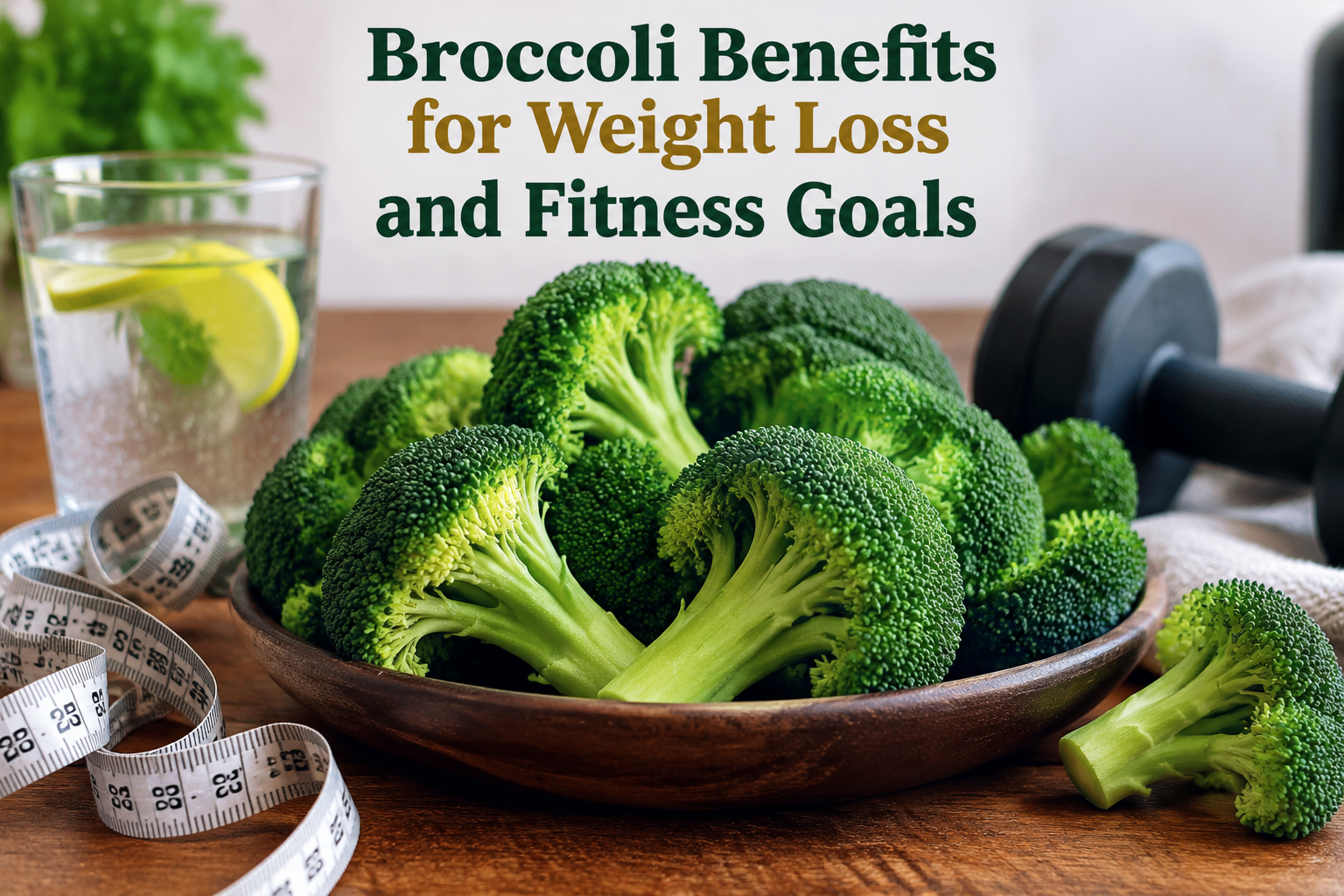
When people think about weight loss and fitness, they often focus on protein powders, expensive supplements, or complicated diet plans. However, many natural foods can support a healthy body, improve energy levels, and help achieve fitness goals. Broccoli is one of the best vegetables that deserves attention because it is packed with essential nutrients while being low in calories. This green vegetable has become popular among fitness lovers because it supports weight management, muscle health, digestion, and overall wellness.
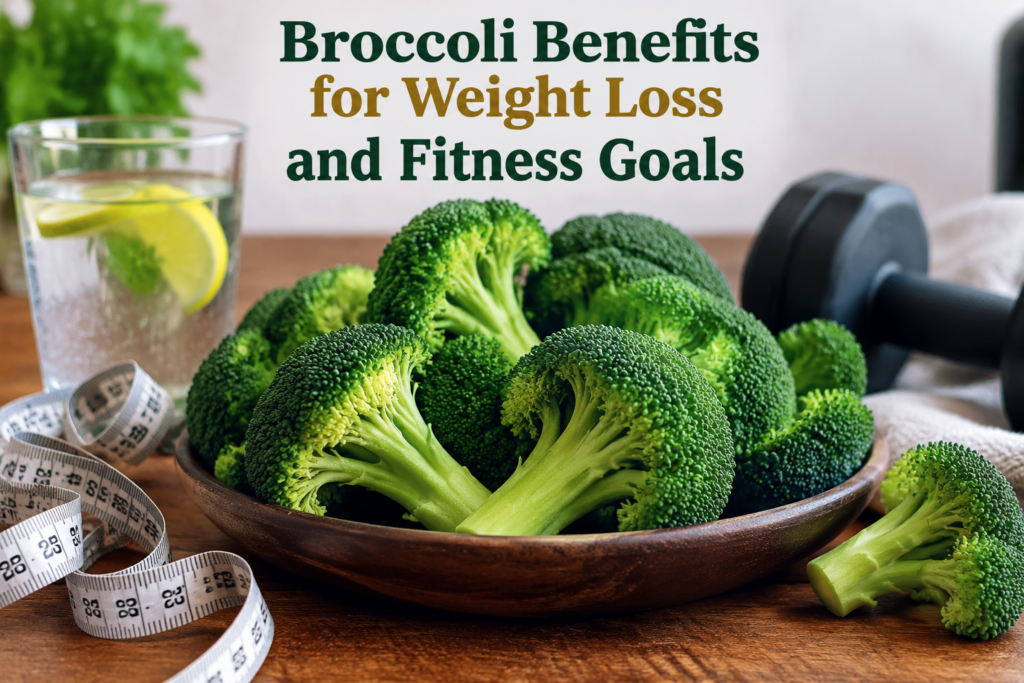
Broccoli benefits for weight loss and fitness goals come from its unique combination of fiber, vitamins, minerals, antioxidants, and plant compounds. It helps you feel full for longer, supports healthy digestion, and provides important nutrients that the body needs during exercise and recovery. Adding broccoli to your daily meals can be a simple step toward building a stronger and healthier lifestyle.
Why Broccoli Is Good for Weight Loss
Weight loss mainly depends on maintaining a balance between the calories you consume and the calories your body uses. Foods that provide high nutrition with fewer calories are especially valuable for people trying to lose weight. Broccoli is a perfect example of a low calorie nutrient rich food.
One cup of cooked broccoli contains a small number of calories but provides important vitamins, minerals, and fiber. This means you can enjoy a satisfying portion without adding too many calories to your diet. Eating foods like broccoli can make it easier to control hunger and maintain a healthy calorie intake.
The high fiber content in broccoli is one of the main reasons it supports weight loss. Fiber takes longer to digest, which helps you feel full after meals. When you feel satisfied, you are less likely to overeat or choose unhealthy snacks throughout the day.
Broccoli Helps Control Hunger and Cravings
Managing hunger is one of the biggest challenges during weight loss. Many people struggle because they reduce their food intake but still feel hungry. Broccoli can help solve this problem because it adds volume to meals without adding excessive calories.
The fiber and water content in broccoli increase the size of your meals, making your plate look fuller. This can create a feeling of satisfaction and help you follow a healthy eating plan more easily.
For example, adding broccoli to grilled chicken, eggs, soups, or salads can make your meal more filling. This simple habit can reduce cravings for processed foods that are usually high in calories, sugar, and unhealthy fats.
High Fiber Content Supports Better Digestion
A healthy digestive system plays an important role in weight management and fitness performance. Broccoli is rich in dietary fiber, which helps maintain regular bowel movements and supports a healthy gut.
Fiber feeds beneficial bacteria in the digestive system, helping create a balanced gut environment. A healthy gut can improve nutrient absorption, which means your body can use vitamins and minerals from food more effectively.
Good digestion also helps prevent problems such as constipation and bloating. When your digestive system works properly, you often feel lighter, more energetic, and more comfortable during physical activities.
Broccoli Provides Essential Nutrients for Fitness
Fitness goals require more than just reducing calories. Your body needs proper nutrition to build strength, recover after workouts, and maintain energy. Broccoli provides several nutrients that support an active lifestyle.
Vitamin C is one of the important nutrients found in broccoli. It helps support the immune system and plays a role in collagen production, which is important for healthy skin, joints, and connective tissues. Strong joints and tissues are important for people who exercise regularly.
Broccoli also contains vitamin K, which supports bone health. Strong bones are essential for activities such as weight training, running, and other forms of exercise.
Minerals like potassium and calcium found in broccoli also contribute to muscle function and overall body performance.
Broccoli Supports Muscle Recovery
Many fitness enthusiasts focus on protein for muscle growth, but recovery also depends on getting enough vitamins, minerals, and antioxidants. Broccoli contains plant compounds that help protect cells from oxidative stress caused by intense exercise.
During workouts, muscles experience stress and small amounts of damage. Proper nutrition helps the body repair and rebuild muscle tissue. Including vegetables like broccoli in your diet provides important nutrients that support this recovery process.
Broccoli works especially well when combined with protein sources such as chicken, fish, eggs, beans, or lean meat. This combination creates a balanced meal that supports muscle repair and fitness progress.
Broccoli Is Rich in Antioxidants
Exercise is beneficial for the body, but intense physical activity can increase oxidative stress. Antioxidants help protect cells from damage caused by harmful molecules called free radicals.
Broccoli contains antioxidants such as sulforaphane, which has been studied for its potential health benefits. These natural compounds help support the body’s defense system and contribute to overall wellness.
A diet rich in antioxidant foods can support long term health and help active people maintain better performance.
Broccoli Helps Maintain Healthy Energy Levels
Many people think energy comes only from carbohydrates, but vitamins and minerals also play an important role in how the body produces and uses energy. Broccoli provides nutrients that support normal metabolism.
A healthy metabolism helps the body convert food into usable energy. When your diet includes nutrient rich vegetables like broccoli, your body receives the support it needs to perform daily activities and workouts.
Adding broccoli to lunch or dinner can help create balanced meals that keep energy levels stable throughout the day.
Best Ways to Include Broccoli in a Fitness Diet
There are many simple ways to add broccoli to your daily meals. The cooking method can affect the taste and nutritional value, so choosing healthy preparation methods is important.
Steaming broccoli is one of the best options because it keeps much of its nutritional value while maintaining a fresh taste. You can also roast broccoli with a small amount of olive oil and herbs for a delicious side dish.
Broccoli can be added to soups, salads, rice dishes, omelets, and stir fry meals. It can also be combined with lean protein sources to create a complete fitness friendly meal.
Avoid cooking broccoli with large amounts of butter, cheese, or heavy sauces because these additions can increase calories and reduce its weight loss benefits.
Broccoli and a Balanced Diet Plan
Although broccoli is extremely healthy, it should not be the only food you eat. A successful fitness diet requires balance and variety.
A balanced plate should include vegetables, protein sources, healthy fats, and quality carbohydrates. Broccoli can provide important nutrients, but your body also needs other foods to meet its complete nutritional requirements.
For example, a fitness meal can include grilled chicken, brown rice, and steamed broccoli. Another option can be eggs with whole grain bread and a side of broccoli. These combinations provide protein, energy, fiber, and essential nutrients.
How Much Broccoli Should You Eat?
There is no exact amount of broccoli that everyone must eat because nutritional needs depend on age, activity level, and personal goals. However, including vegetables like broccoli in one or two meals daily can be a healthy habit.
People who are trying to lose weight can increase their vegetable intake because vegetables provide volume and nutrition with fewer calories. Those following fitness programs can use broccoli as part of a balanced meal plan to support performance and recovery.
Broccoli Benefits for Fitness Goals
For people working toward fitness goals, broccoli offers several advantages. It supports healthy weight management, improves digestion, provides essential nutrients, and helps maintain overall health.
Whether your goal is losing fat, building muscle, improving stamina, or simply becoming healthier, broccoli can be a valuable addition to your diet. It is affordable, easy to prepare, and available in most markets throughout the year.
Many successful fitness routines are built on simple habits. Eating more vegetables, choosing natural foods, drinking enough water, and staying physically active can create long lasting results.
Conclusion
Broccoli is much more than a simple green vegetable. It is a powerful food that can support weight loss and fitness goals through its high fiber content, low calorie nature, and impressive nutrient profile. It helps control hunger, supports digestion, provides important vitamins and minerals, and contributes to better workout recovery.
A healthy lifestyle does not require complicated diets or expensive products. Small changes, such as adding broccoli to your meals regularly, can make a meaningful difference over time. When combined with regular exercise and a balanced diet, broccoli can become an important part of your journey toward a stronger, healthier, and more active body.