Building muscle and improving strength is not only about lifting heavy weights and consuming enough protein. The food you eat every day plays a major role in how your body performs, recovers, and grows. Many people focus only on meat, eggs, and protein supplements when thinking about muscle growth, but vegetables are equally important for creating a strong and healthy body. The best vegetables for muscle growth provide essential vitamins, minerals, antioxidants, fiber, and plant compounds that support energy production, muscle recovery, and overall fitness.
A balanced diet that includes nutrient rich vegetables can help your body handle intense workouts, reduce fatigue, and improve recovery after exercise. Vegetables do not directly build muscles like protein does, but they create the perfect environment for muscle development by supporting important body functions. They help maintain healthy hormones, improve digestion, strengthen immunity, and provide nutrients that help your muscles work efficiently.
If you want to gain strength, increase workout performance, or develop lean muscle, adding the right vegetables to your meals can make a noticeable difference. Let us explore the best vegetables for muscle growth and strength and understand why they deserve a place on your daily plate.
Spinach for Muscle Growth and Better Performance
Spinach is one of the most popular vegetables among fitness lovers because it contains many nutrients that support muscle function. It is rich in iron, magnesium, potassium, and vitamins that help your body produce energy and maintain proper muscle activity.
Iron plays an important role in carrying oxygen through the blood. During exercise, your muscles need oxygen to perform efficiently. A diet that includes spinach can support better oxygen transportation, which may help reduce tiredness during workouts.
Spinach is also a good source of magnesium, a mineral involved in muscle contraction and relaxation. Low magnesium levels can affect muscle performance and recovery. Including spinach in your meals can support healthy muscle function and help your body recover after challenging training sessions.
You can add spinach to salads, smoothies, omelets, soups, or cooked meals to increase your daily nutrient intake.
Broccoli for Strength and Recovery
Broccoli is another excellent vegetable for people who want to build a stronger body. It contains vitamin C, vitamin K, fiber, and powerful antioxidants that support overall health and fitness.
Vitamin C helps protect cells from oxidative stress caused by intense physical activity. Hard workouts create stress in the body, and antioxidants from vegetables like broccoli help your body manage this process.
Broccoli also provides calcium, which is important for strong bones. Strong bones create a better foundation for strength training and reduce the risk of injuries. A healthy skeletal system allows you to perform exercises with better stability and confidence.
Adding broccoli to your lunch or dinner is an easy way to improve the nutritional quality of your muscle building diet.
Sweet Potatoes for Workout Energy
Sweet potatoes are one of the best vegetables for providing energy before exercise. They are rich in complex carbohydrates, which give your body a steady supply of fuel during workouts.
Carbohydrates are often misunderstood in fitness. Many people avoid them because they think they prevent muscle growth, but the right type of carbohydrates actually support better training performance. Your muscles store carbohydrates as glycogen, which is used for energy during physical activity.
Sweet potatoes also contain potassium, an important mineral that supports muscle function and fluid balance. Low potassium levels can contribute to weakness and muscle cramps.
Eating sweet potatoes before a workout can provide long lasting energy and help you train harder. They are a great option for athletes and anyone following a strength training routine.
Carrots for Muscle Health and Immunity
Carrots are known for supporting eye health, but they also provide benefits for people focused on fitness. They contain beta carotene, which the body converts into vitamin A.
Vitamin A supports immune function, cell growth, and recovery processes. A strong immune system helps you maintain consistency with your workouts because frequent illness can interrupt your fitness progress.
Carrots also contain antioxidants that protect your body from damage caused by daily stress and intense exercise. They are easy to include in meals and can be eaten raw, cooked, or added to soups and salads.
Peas for Plant Based Protein and Muscle Support
Green peas are a unique vegetable because they contain more protein than many other vegetables. While they cannot replace high protein foods like chicken, fish, eggs, or dairy, they can contribute valuable plant based protein to your diet.
Protein provides amino acids, which are the building blocks of muscle repair and growth. Adding peas to your meals can increase your overall protein intake while also providing fiber and important nutrients.
Peas are also rich in carbohydrates, making them useful for restoring energy after workouts. They can be added to rice dishes, soups, pasta, and many other meals.
Beetroot for Better Exercise Performance
Beetroot has gained popularity among athletes because of its ability to support exercise performance. It contains natural nitrates, which the body can convert into nitric oxide.
Nitric oxide helps improve blood flow, allowing oxygen and nutrients to reach muscles more effectively. Better blood circulation can support endurance and workout performance.
Beetroot also contains antioxidants and minerals that contribute to overall health. Drinking beetroot juice or adding cooked beetroot to meals can be a beneficial addition to a fitness focused diet.
Bell Peppers for Recovery and Strength
Bell peppers are colorful vegetables packed with vitamin C, antioxidants, and nutrients that support muscle recovery. Vitamin C helps with collagen production, which supports healthy joints, tendons, and connective tissues.
Strength training places stress on muscles and joints. Supporting these tissues is important for long term fitness progress. Bell peppers can help provide nutrients needed for maintaining a strong and active body.
They are also low in calories, making them suitable for people who want to build lean muscle while managing body fat.
Mushrooms for Muscle Supporting Nutrients
Mushrooms are a valuable addition to a muscle building diet because they provide important vitamins and minerals. They contain B vitamins that help convert food into energy, supporting better workout performance.
Some mushrooms also contain vitamin D, especially when exposed to sunlight. Vitamin D plays an important role in muscle function, bone health, and overall strength.
Adding mushrooms to meals such as omelets, soups, and stir fries can improve both flavor and nutrition.
Garlic and Onions for Healthy Muscle Function
Garlic and onions are often used as flavor enhancers, but they also provide important health benefits. They contain sulfur compounds and antioxidants that support the body’s natural defense systems.
Healthy inflammation control is important for athletes because intense exercise can create temporary inflammation. Including garlic and onions in your diet can support overall recovery and wellness.
They are simple ingredients that can improve the nutritional value of many fitness meals.
Kale for Nutrient Density
Kale is a nutrient rich vegetable that provides vitamins, minerals, and antioxidants. It contains calcium, vitamin C, vitamin K, and fiber, all of which contribute to better health and fitness.
Calcium supports strong bones and muscle contraction, while antioxidants help protect cells from damage. Kale can be added to salads, smoothies, soups, and cooked dishes.
Although kale is not a direct muscle building food, it supports the systems that allow your body to become stronger.
How to Include Vegetables in a Muscle Building Diet
Eating vegetables regularly is easier when you plan your meals properly. Try including different colored vegetables throughout the day because different colors often represent different nutrients.
A muscle building meal can include a protein source, healthy carbohydrates, and vegetables. For example, grilled chicken with sweet potatoes and broccoli creates a balanced meal for strength and recovery. Another option could be eggs with spinach and mushrooms for a nutritious breakfast.
You do not need to eat large amounts of vegetables at every meal. Consistency is more important than quantity. Including two or three servings of vegetables daily can provide valuable nutrients that support your fitness goals.
The Role of Vegetables Alongside Protein
Protein remains one of the most important nutrients for muscle growth because it provides amino acids needed for repair. However, vegetables support protein utilization by improving digestion, providing minerals, and maintaining overall health.
A person who eats enough protein but lacks important vitamins and minerals may not perform at their best. The combination of quality protein, vegetables, healthy fats, and carbohydrates creates a complete approach to muscle growth.
Final Thoughts on Best Vegetables for Muscle Growth and Strength
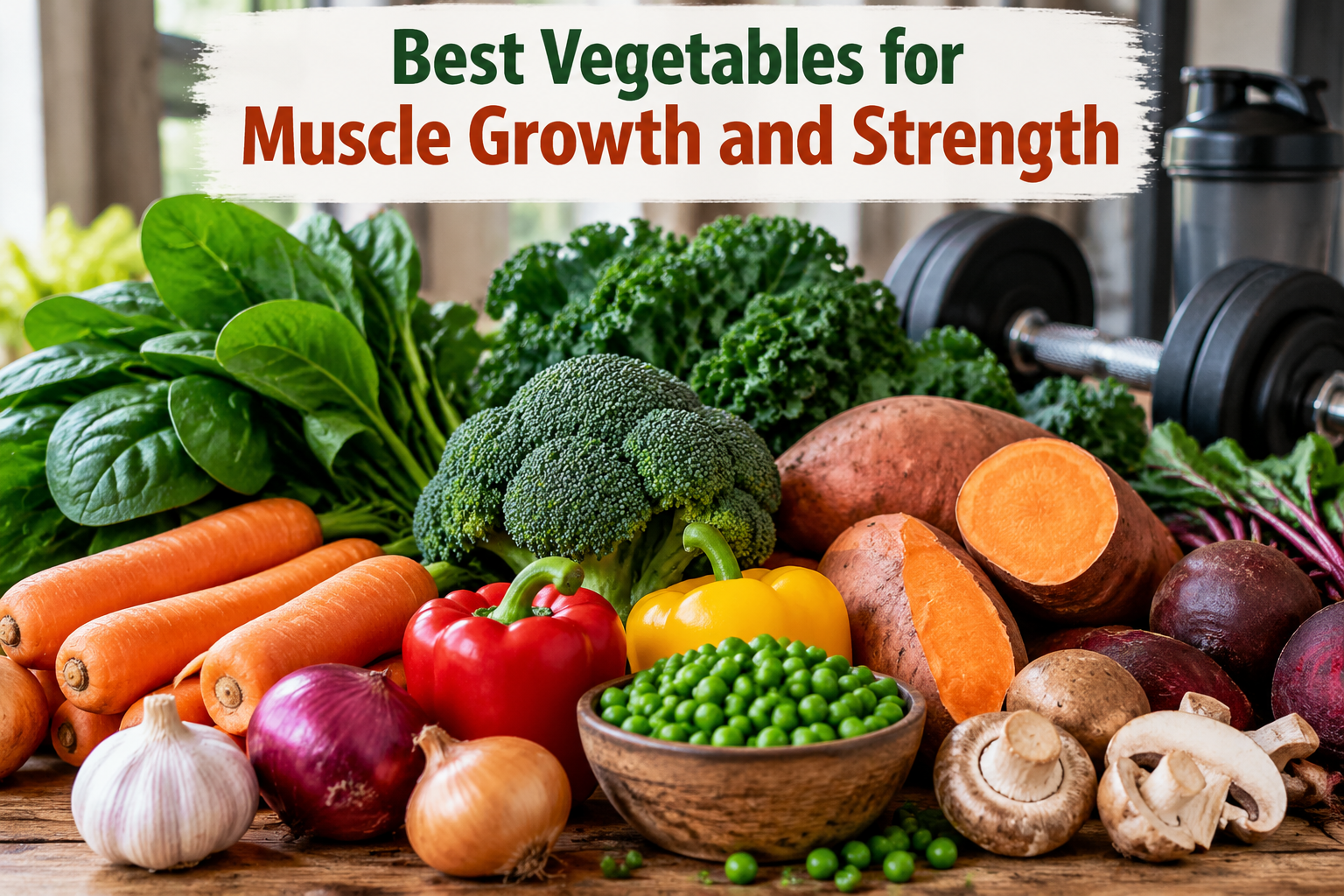
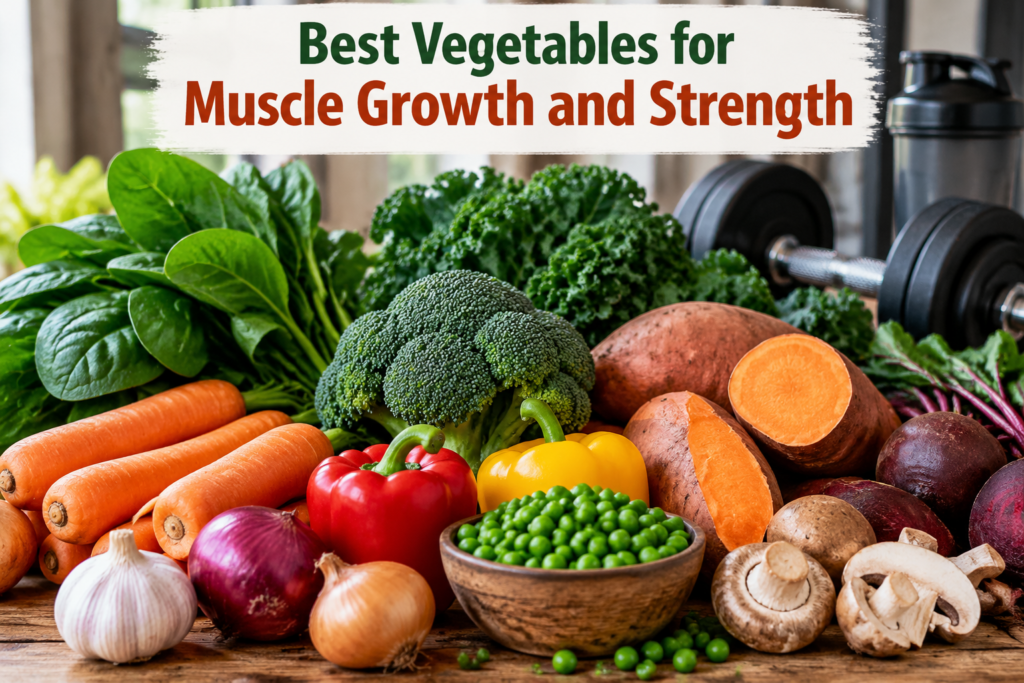
The best vegetables for muscle growth and strength are not magic foods that instantly increase muscle size, but they are essential parts of a successful fitness diet. Vegetables like spinach, broccoli, sweet potatoes, carrots, peas, beetroot, bell peppers, mushrooms, garlic, onions, and kale provide nutrients that help your body perform, recover, and become stronger.
Muscle growth requires a combination of resistance training, enough protein, proper rest, and a balanced diet. By adding a variety of vegetables to your meals, you give your body the vitamins, minerals, and antioxidants it needs to support your fitness journey.
A strong body is built through consistent habits. Choosing nutritious vegetables every day is a simple step toward better strength, improved energy, and long term health.