Many people believe that fat burning only depends on intense workouts or strict diets, but the food we eat every day plays an equally important role. A healthy body needs the right balance of nutrients to maintain energy, support metabolism, and manage body weight naturally. Among all food groups, vegetables are some of the most valuable choices for people who want to reduce body fat and improve fitness.
Vegetables that support fat burning are rich in fiber, vitamins, minerals, antioxidants, and plant compounds that help the body work efficiently. They are usually low in calories but high in nutrients, which makes them ideal for weight management. Adding the right vegetables to your daily meals can help you feel full for longer, control unnecessary cravings, and maintain a healthier lifestyle.
Fat burning does not mean that a single food can magically remove body fat. Instead, certain vegetables support the natural processes that help the body use stored energy more effectively. When combined with regular exercise, enough sleep, and a balanced diet, these vegetables can become an important part of a successful fitness plan.
How Vegetables Help With Fat Burning
Vegetables support fat burning in several ways. One of the biggest benefits is their high fiber content. Fiber slows down digestion, which helps you feel satisfied after meals. When you feel full, you are less likely to overeat or choose unhealthy snacks.
Many vegetables also contain a large amount of water, which helps improve hydration and digestion. Proper hydration supports metabolism because the body needs enough fluids to perform important functions, including energy production.
Another benefit is that vegetables provide essential nutrients without adding excessive calories. For example, a large bowl of green vegetables can provide important vitamins and minerals while containing fewer calories compared to processed foods. This makes it easier to maintain a calorie balance needed for fat loss.
Spinach for Better Metabolism and Weight Management
Spinach is one of the best vegetables for people focusing on fat burning and fitness. It is low in calories but contains important nutrients such as iron, magnesium, vitamin C, and antioxidants.
The high fiber content in spinach helps improve digestion and keeps hunger under control. When added to meals, spinach increases the volume of food without adding many calories, which can support healthy weight management.
Spinach also contains plant compounds that support overall health and help the body handle physical activity. It can be included in salads, smoothies, omelets, soups, and cooked meals.
Broccoli Supports Fat Loss Goals
Broccoli is another powerful vegetable for people who want to reduce body fat naturally. It is packed with fiber, vitamins, minerals, and antioxidants that support a healthy body.
The fiber in broccoli helps slow digestion and keeps you satisfied for longer periods. This can reduce frequent snacking and help control daily calorie intake.
Broccoli also contains compounds that support the body’s natural detoxification processes. It is a great choice for fitness lovers because it provides nutrients needed for recovery and overall health while remaining low in calories.
You can enjoy broccoli steamed, roasted, or added to different healthy recipes with chicken, beef, or other protein sources.
Cabbage Helps Control Hunger
Cabbage is an affordable and nutritious vegetable that can support fat burning efforts. It contains plenty of fiber and water, making it filling while being low in calories.
Eating cabbage regularly can help create a feeling of fullness, which makes it easier to follow a healthy eating routine. It also provides vitamin C and other nutrients that support the immune system.
Cabbage can be used in salads, soups, stir fried dishes, and many traditional meals. Its versatility makes it easy to include in daily diets.
Carrots Provide Natural Sweetness and Fiber
Carrots are a great vegetable choice for people who want healthier alternatives to sugary snacks. They contain natural sweetness along with fiber, making them satisfying and nutritious.
The fiber in carrots helps maintain healthy digestion and supports appetite control. They also provide beta carotene, which the body converts into vitamin A for better health.
Carrots can be eaten raw, added to salads, blended into healthy drinks, or cooked with other vegetables. Their natural crunch makes them a good option for controlling snack cravings.
Cauliflower Supports Low Calorie Eating
Cauliflower has become popular among people following healthy diets because it can replace higher calorie foods while providing important nutrients.
It contains fiber, vitamins, and antioxidants that support overall wellness. Because cauliflower has a mild flavor, it can be used in many different recipes.
Many fitness enthusiasts use cauliflower as a replacement for rice, flour based foods, or heavy side dishes. This helps reduce calorie intake while still enjoying satisfying meals.
Green Beans for Healthy Weight Control
Green beans are another vegetable that supports fat burning because they provide fiber, vitamins, and minerals with very few calories.
They help improve fullness after meals and can support better portion control. Green beans also provide nutrients that help maintain energy levels during daily activities and workouts.
They can be cooked with healthy oils, added to salads, or served as a side dish with protein rich foods.
Bell Peppers Boost Nutrient Intake
Bell peppers are colorful vegetables that can improve the nutritional value of your meals. They contain vitamin C, antioxidants, and fiber.
Vitamin C plays an important role in many body functions, including maintaining healthy tissues and supporting normal metabolism. Bell peppers are also naturally low in calories, making them useful for people managing their weight.
Adding bell peppers to eggs, salads, grilled meals, or homemade dishes can improve both flavor and nutrition.
Cucumbers Support Hydration and Digestion
Cucumbers are mostly made of water, which makes them refreshing and helpful for hydration. Proper hydration is important for digestion, energy, and overall body function.
Although cucumbers are low in calories, they provide some fiber and important nutrients. They can help add volume to meals without increasing calorie intake.
Cucumbers are excellent for salads, sandwiches, and healthy snacks.
Mushrooms Support Healthy Eating Patterns
Mushrooms are unique vegetables that provide nutrients while adding a satisfying texture to meals. They contain fiber and important minerals that support overall health.
Their ability to add flavor and texture makes them useful for creating healthy meals that feel more satisfying. Replacing some high calorie ingredients with mushrooms can help reduce overall calorie intake.
Mushrooms can be cooked with vegetables, eggs, chicken, or other protein sources for a balanced meal.
Sweet Potatoes Provide Long Lasting Energy
Sweet potatoes are slightly higher in calories than leafy vegetables, but they can still support fat burning when eaten in proper portions. They provide complex carbohydrates, fiber, and important vitamins.
Unlike many processed carbohydrate sources, sweet potatoes release energy slowly, helping maintain stable energy levels. This makes them useful for people who exercise regularly.
They are a good choice before workouts because they provide fuel for physical activity.
How to Add Fat Burning Vegetables to Your Diet
The best way to benefit from vegetables is to make them a regular part of your meals. Instead of focusing on one specific vegetable, include a variety of colors and types throughout the week.
A healthy plate can include green vegetables, colorful vegetables, and a quality protein source. For example, grilled chicken with broccoli and carrots, beef with green beans, or eggs with spinach can create balanced meals.
Cooking methods also matter. Steaming, grilling, roasting, and light cooking are usually better choices compared to deep frying. Using too much oil can increase calories and reduce the benefits of healthy vegetables.
Vegetables and Exercise Work Together
Vegetables can support fat burning, but they work best when combined with an active lifestyle. Exercise helps increase energy use, build muscle, and improve fitness.
Strength training, walking, running, and other physical activities can support body composition goals. When vegetables provide essential nutrients and exercise challenges the body, the results can be more effective.
Common Mistakes When Eating Vegetables for Fat Loss
One common mistake is adding unhealthy sauces, excessive oil, or high calorie toppings to vegetables. These additions can quickly increase calories.
Another mistake is eating only vegetables while ignoring protein and healthy fats. The body needs a balanced intake of nutrients for muscle maintenance and energy.
A successful fat loss plan includes vegetables along with protein sources, whole grains, healthy fats, and enough water.
Final Thoughts
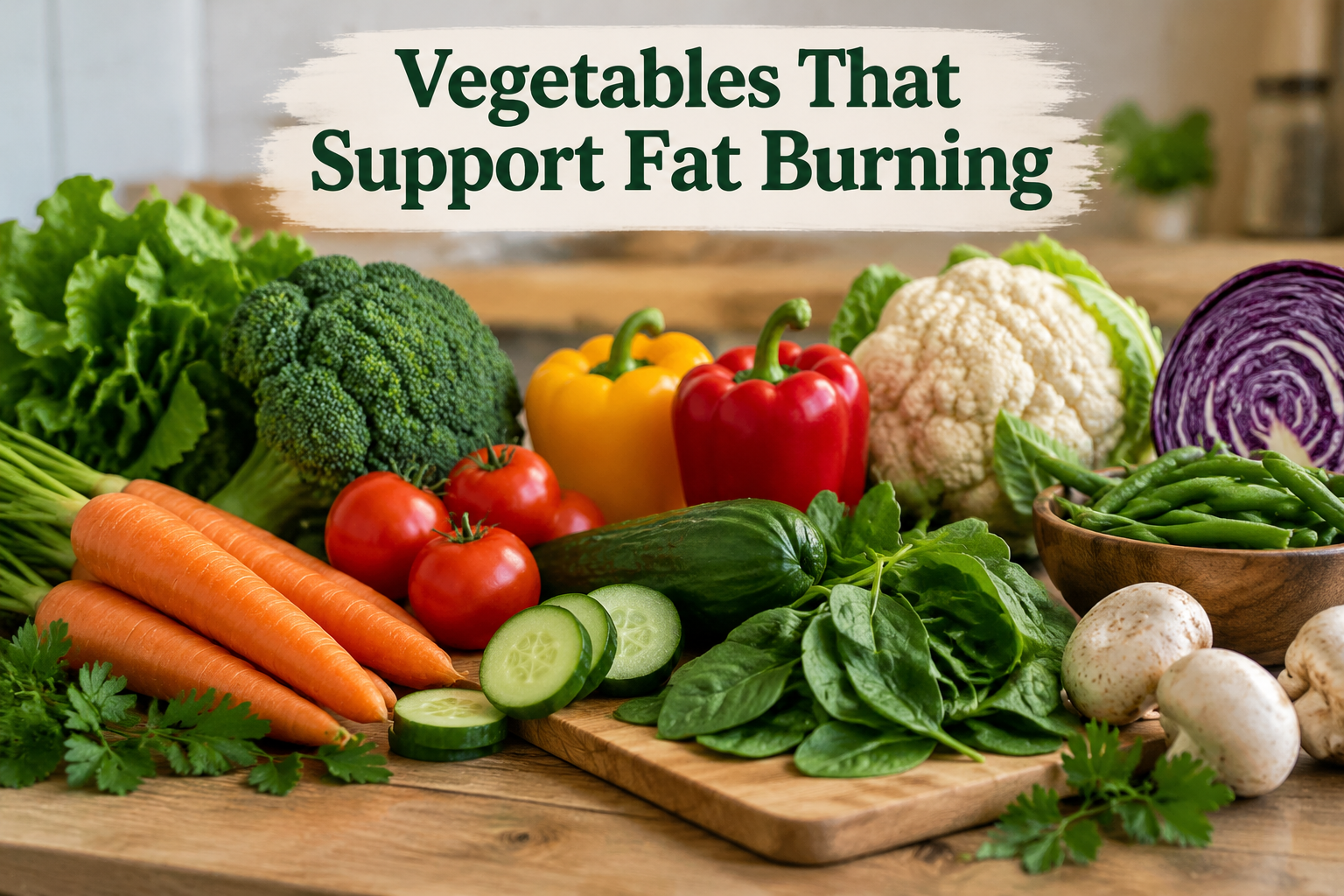
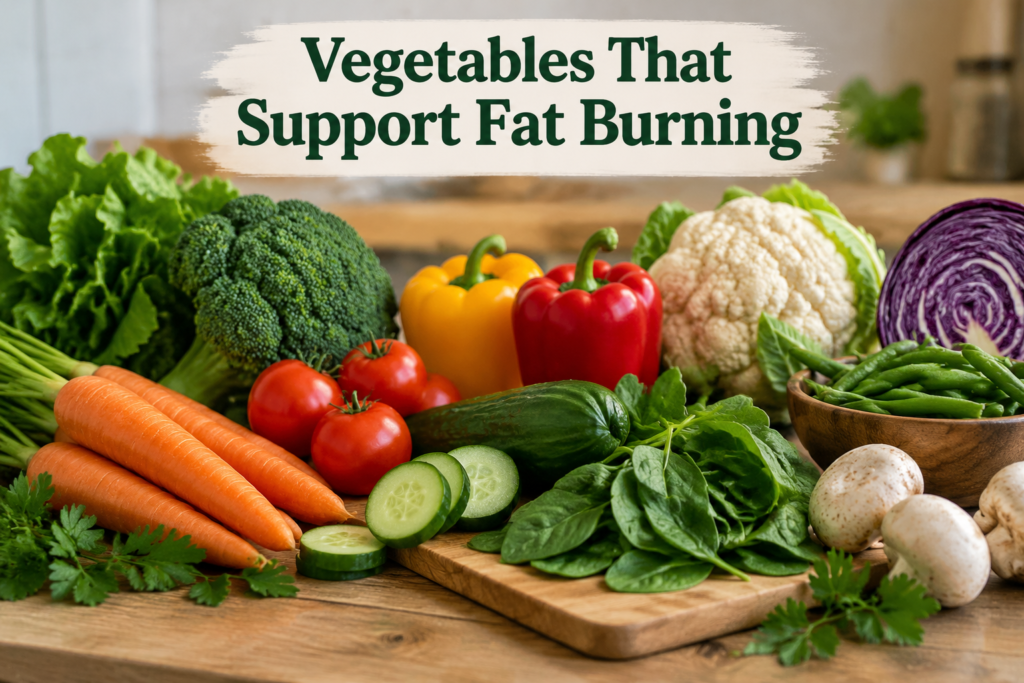
Vegetables that support fat burning are an important part of a healthy lifestyle. Foods like spinach, broccoli, cabbage, carrots, cauliflower, green beans, bell peppers, cucumbers, mushrooms, and sweet potatoes provide valuable nutrients while helping control calories.
They do not burn fat instantly, but they support the natural processes that help the body manage weight effectively. When combined with regular exercise, proper sleep, and balanced nutrition, these vegetables can help you move closer to your fitness goals.
Making vegetables a daily habit is one of the simplest and most effective steps toward better health. A colorful plate filled with nutrient rich vegetables can support energy, digestion, and long term weight management while creating a foundation for a stronger and healthier body.