When it comes to building a strong body, improving fitness performance, and maintaining a healthy lifestyle, choosing the right source of protein plays an important role. Meat has been a popular part of human diets for centuries because it provides high quality protein, essential vitamins, and minerals that support muscle growth and overall health. Among different types of meat, mutton and beef are two common choices for people who want to increase their protein intake.
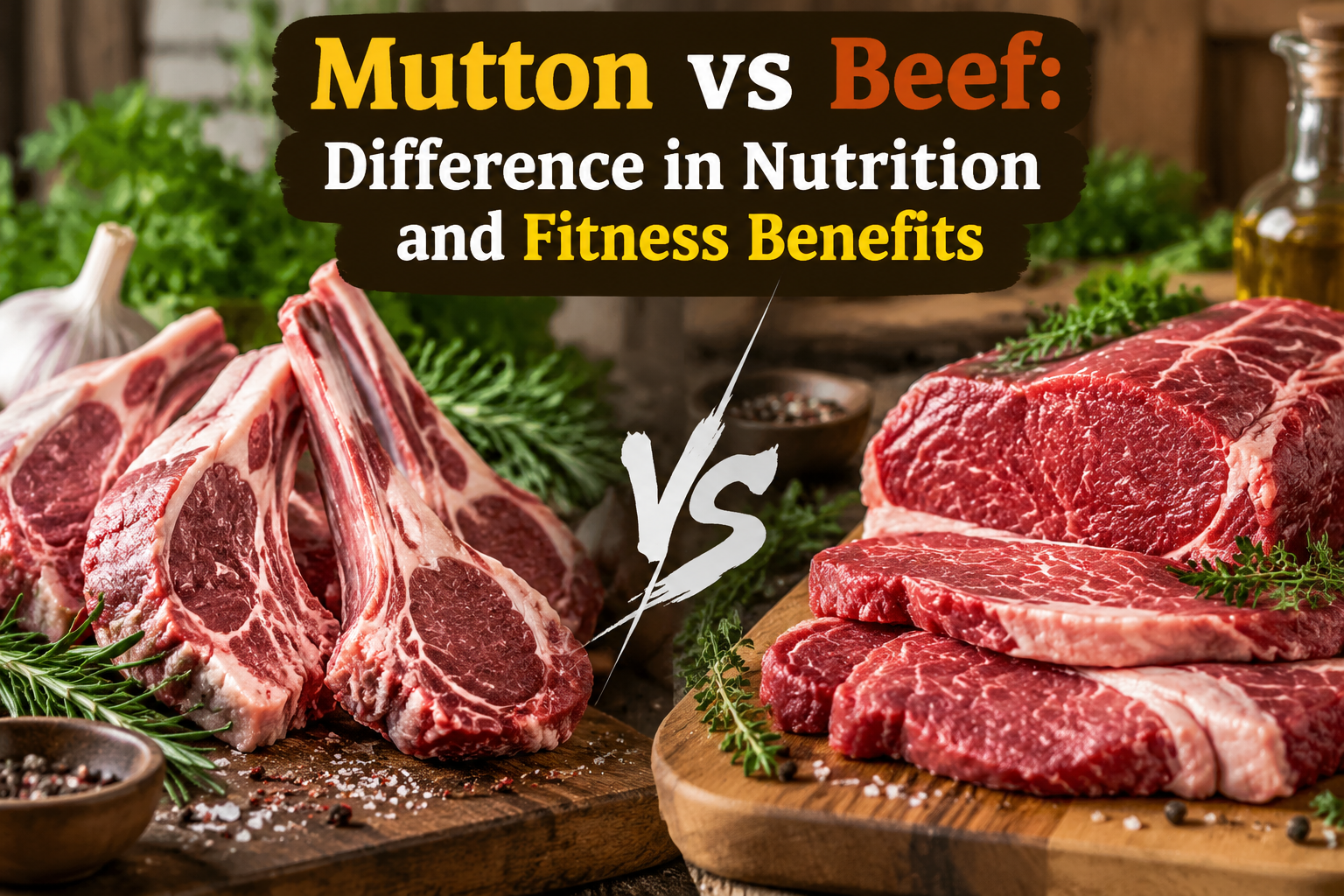
Both mutton and beef offer valuable nutrients, but they have some differences in their nutritional profile, fat content, calories, and fitness benefits. Understanding these differences can help you decide which meat is more suitable for your health goals, whether you want to build muscle, lose fat, increase energy, or maintain a balanced diet.
Nutritional Comparison Between Mutton and Beef
Mutton and beef are both rich sources of complete protein, which means they contain all essential amino acids required by the body. Protein is necessary for repairing muscles, building new tissues, and supporting recovery after exercise.
A typical serving of cooked mutton provides a good amount of protein along with important nutrients such as iron, zinc, vitamin B12, and selenium. Beef also contains high levels of protein and is especially known for being rich in iron, creatine, and several B vitamins.
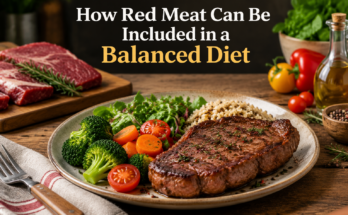
The exact nutritional values can vary depending on the cut of meat, cooking method, and animal quality. Lean cuts of both mutton and beef can be included in a healthy fitness diet when consumed in the right quantity.
Protein Content for Muscle Growth
Protein is one of the most important nutrients for people who exercise regularly. It helps repair muscle damage caused by workouts and supports muscle growth over time.
Beef is often considered one of the best protein sources for athletes because it contains a high amount of protein per serving. It also provides natural creatine, a compound that helps muscles produce energy during high intensity exercises such as weightlifting and sprinting.
Mutton also provides excellent quality protein and contains essential amino acids that support muscle development. Many fitness enthusiasts choose mutton because it is nutrient dense and provides long lasting energy.
For muscle building goals, both mutton and beef can be effective. The better choice depends on personal preference, calorie requirements, and overall diet planning.
Mutton Benefits for Fitness and Health
Mutton is a nutrient rich meat that can support an active lifestyle. It contains several important nutrients that help maintain strength and energy.
One major benefit of mutton is its high iron content. Iron plays a key role in producing hemoglobin, which carries oxygen throughout the body. Good oxygen supply helps improve energy levels and supports physical performance during exercise.
Mutton is also a strong source of vitamin B12, which is important for nerve function and red blood cell production. A deficiency of vitamin B12 can lead to tiredness and reduced energy levels, so including nutrient rich foods like mutton can help maintain normal body functions.
Another benefit of mutton is its zinc content. Zinc supports immune function, hormone production, and recovery processes in the body. For people who exercise regularly, proper zinc intake can contribute to better recovery and overall health.
However, some cuts of mutton can contain higher amounts of saturated fat. Choosing lean cuts and using healthier cooking methods can make mutton a better option for fitness focused diets.
Beef Benefits for Fitness and Muscle Development
Beef has gained popularity among athletes and bodybuilders because of its powerful nutritional profile. It is considered one of the best foods for supporting muscle growth and strength development.
One of the unique advantages of beef is its natural creatine content. Creatine helps muscles produce quick energy during intense workouts. This can improve exercise performance, strength, and training capacity.
Beef is also rich in high quality protein, making it useful for people who want to increase muscle mass. Regular resistance training combined with adequate protein intake can support muscle repair and growth.
Another important benefit of beef is its high iron content. The iron found in beef is easily absorbed by the body compared with many plant based sources. This makes beef beneficial for maintaining healthy blood cells and preventing low energy caused by iron deficiency.
Beef also provides nutrients such as vitamin B6, vitamin B12, phosphorus, and selenium. These nutrients support metabolism, energy production, and normal body functions.
Like mutton, the health impact of beef depends on the cut and preparation method. Lean beef choices are generally better for people who are focusing on fitness and weight management.
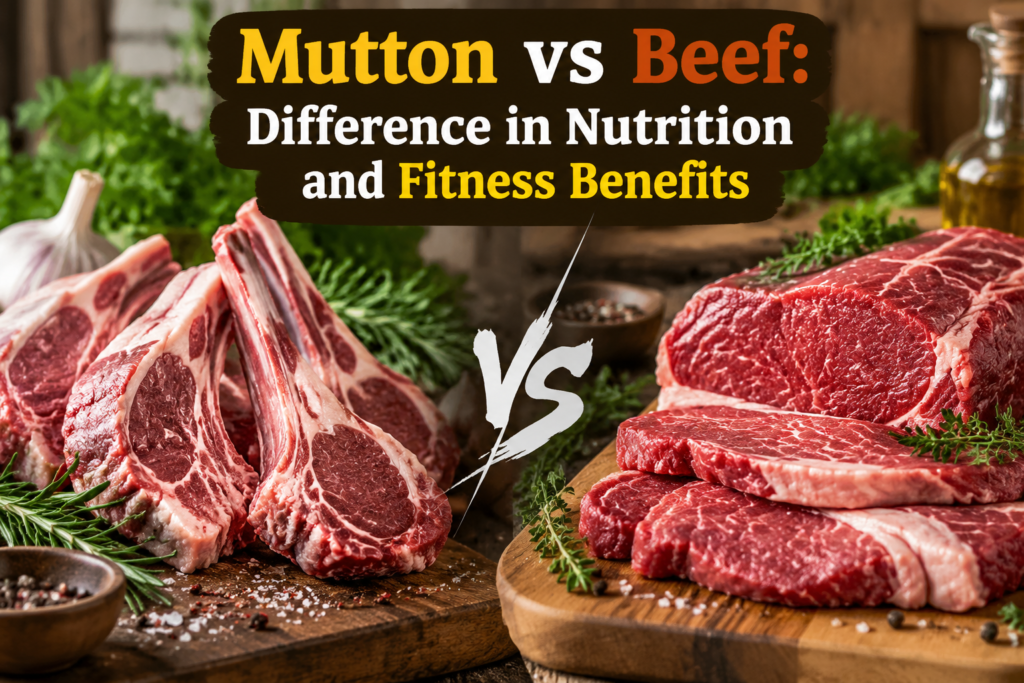
Calories and Fat Difference Between Mutton and Beef
Calories and fat content are important factors for people following specific fitness goals. Someone trying to gain muscle may require more calories, while someone trying to lose body fat may need a controlled calorie intake.
Mutton often contains slightly higher fat content, especially in traditional cuts. The fat provides additional calories and can make meals more satisfying. For people who need extra energy for intense physical activity, this can sometimes be beneficial.
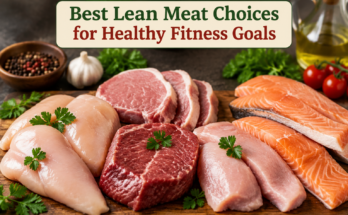
Beef also contains fat, but the amount depends greatly on the cut. Lean beef cuts can provide high protein with moderate calories, making them suitable for people who want muscle growth without excessive fat intake.
The cooking method also changes the nutritional value. Deep frying or adding large amounts of oil can increase calories and reduce the health benefits of both meats. Grilling, boiling, baking, or slow cooking are generally healthier preparation methods.
Which Meat Is Better for Weight Loss?
For weight loss, the main goal is usually to consume enough protein while controlling calories. Protein helps increase fullness, preserve muscle, and support metabolism during fat loss.
Lean beef may be a good choice for weight loss because it can provide high protein with controlled fat when the right cut is selected. It can help people maintain muscle while reducing body fat.
Mutton can also be included in a weight loss diet, but portion control is important because some varieties contain more fat and calories. Choosing lean mutton pieces and balancing the meal with vegetables and whole foods can make it a healthy option.
The most important factor for weight loss is not choosing only one type of meat but maintaining a balanced diet with proper calories, protein intake, and regular physical activity.
Which One Is Better for Bodybuilding?
Bodybuilders need enough protein, calories, and nutrients to support muscle growth. Both mutton and beef can contribute to a bodybuilding diet.
Beef may have a slight advantage because of its natural creatine content, which supports strength training performance. Many athletes include beef in their diet because it provides a combination of protein, minerals, and energy supporting nutrients.
Mutton can also be valuable for bodybuilding because it provides complete protein, iron, zinc, and healthy nutrients that support recovery. It can be a good alternative for people who enjoy its taste and nutritional benefits.
A successful bodybuilding diet depends more on total daily protein intake, workout consistency, and overall nutrition rather than relying on one specific type of meat.
Cooking Methods Matter
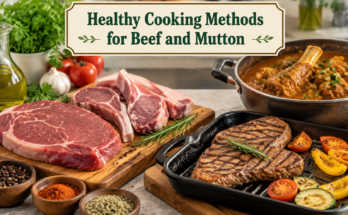
The way meat is prepared can greatly influence its health benefits. Healthy cooking methods help preserve nutrients while reducing unnecessary calories.
Grilling, baking, steaming, and slow cooking are better choices compared with deep frying. Adding vegetables, whole grains, and healthy fats can create a balanced meal that supports fitness goals.
Avoiding excessive oil, processed sauces, and high calorie side dishes can make both mutton and beef healthier options.
Mutton vs Beef: Which One Should You Choose?
The choice between mutton and beef depends on your personal fitness goals, dietary needs, and taste preferences. Both meats provide excellent protein and essential nutrients that support a healthy and active lifestyle.
If your goal is to improve strength and support intense workouts, beef can be a great option because of its creatine content and strong protein profile. If you want a nutrient rich meat with excellent flavor and important minerals, mutton can also be a valuable choice.
For general health, variety is often the best approach. Including different protein sources such as meat, fish, eggs, dairy products, and plant based foods can help provide a wide range of nutrients.
Final Thoughts
Mutton and beef are both powerful sources of nutrition that can support fitness, muscle growth, and overall health. Beef is often preferred by athletes because it provides high protein and natural creatine, while mutton offers important vitamins and minerals that support energy and body functions.
There is no single winner between mutton and beef because the better choice depends on your individual needs. A balanced diet, proper portion sizes, healthy cooking methods, and regular exercise are the real keys to achieving fitness success.
Whether you choose mutton or beef, focusing on quality, moderation, and overall nutrition will help you build a stronger and healthier body.