Building a healthy and strong body requires more than just regular exercise. The food we eat plays a major role in muscle growth, fat control, energy levels, and overall fitness progress. Among different sources of nutrition, lean meat is considered one of the most valuable foods for people who want to improve their fitness goals. Lean meats provide high quality protein, essential vitamins, minerals, and important nutrients that support muscle repair and daily body functions.
Many fitness lovers include lean meat in their diet because it helps maintain muscle mass while controlling unnecessary fat intake. Whether someone wants to build strength, lose body fat, improve athletic performance, or simply follow a healthier lifestyle, choosing the right type of meat can make a big difference. Different lean meat options offer different nutritional benefits, and understanding these choices can help create a balanced fitness diet.
What Is Lean Meat?
Lean meat refers to meat that contains a lower amount of fat compared to regular cuts. It is usually rich in protein and provides important nutrients without adding excessive calories from fat. For fitness focused individuals, lean meat is a popular choice because protein is essential for repairing muscles after workouts and supporting new muscle growth.
Protein is made up of amino acids, which are the building blocks of the body. During exercise, especially strength training, muscle fibers experience small levels of damage. The body uses protein from foods like lean meat to repair these fibers and make them stronger.
Lean meat also contains nutrients such as iron, zinc, vitamin B12, and selenium. These nutrients help maintain energy production, immune health, and proper body function.
Why Lean Meat Is Important for Fitness Goals
A fitness journey requires proper nutrition along with exercise. Lean meat can support several important fitness goals.
One of the biggest benefits of lean meat is its high protein content. Protein helps increase muscle strength and supports recovery after physical activity. People who regularly train at the gym need enough protein to repair and build muscles effectively.
Lean meat can also help with weight management. Protein keeps you feeling full for a longer time, which may reduce unnecessary snacking and overeating. This makes it useful for people who want to reduce body fat while maintaining muscle.
Another advantage is that lean meat provides long lasting energy. Nutrients like iron and vitamin B12 support healthy blood cells and oxygen transportation, which can improve physical performance during workouts.
Chicken Breast: A Popular Lean Protein Choice
Chicken breast is one of the most common lean meat choices among fitness enthusiasts. It is well known for being high in protein and low in fat, making it suitable for muscle building and weight management.
A serving of chicken breast provides a large amount of protein that helps with muscle repair and recovery. It is also easy to prepare and can be included in many healthy meals.
Chicken breast contains important nutrients such as vitamin B6, niacin, selenium, and phosphorus. These nutrients support metabolism, energy production, and overall health.
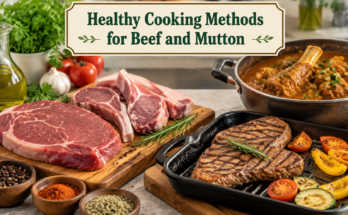
For fitness goals, grilled, boiled, or baked chicken breast is usually preferred because these cooking methods maintain nutrition without adding extra unhealthy fats.
Turkey: A Low Fat Meat Option
Turkey is another excellent lean meat choice for people who want a healthy fitness diet. It contains high quality protein and is naturally lower in fat, especially when choosing turkey breast.
Turkey provides essential amino acids that support muscle growth and recovery. It also contains vitamin B6 and zinc, which play important roles in immune function and metabolism.
Many athletes and fitness lovers include turkey in their meals because it is filling, nutritious, and suitable for different diets. Turkey can be used in sandwiches, salads, wraps, and healthy meal preparations.
Lean Beef: A Nutrient Rich Fitness Food
Although some people avoid beef because of its fat content, lean cuts of beef can be a valuable part of a fitness focused diet. Choosing lean beef cuts allows people to enjoy the benefits of beef while keeping fat intake controlled.
Lean beef is rich in protein and contains important minerals such as iron and zinc. Iron helps transport oxygen throughout the body, which is important for energy and physical performance.
Beef also provides creatine naturally, a compound that supports muscle energy during intense workouts. For people involved in strength training, lean beef can be a beneficial addition to a balanced diet.
Healthy beef choices include lean cuts that are prepared with grilling, roasting, or other low fat cooking methods.
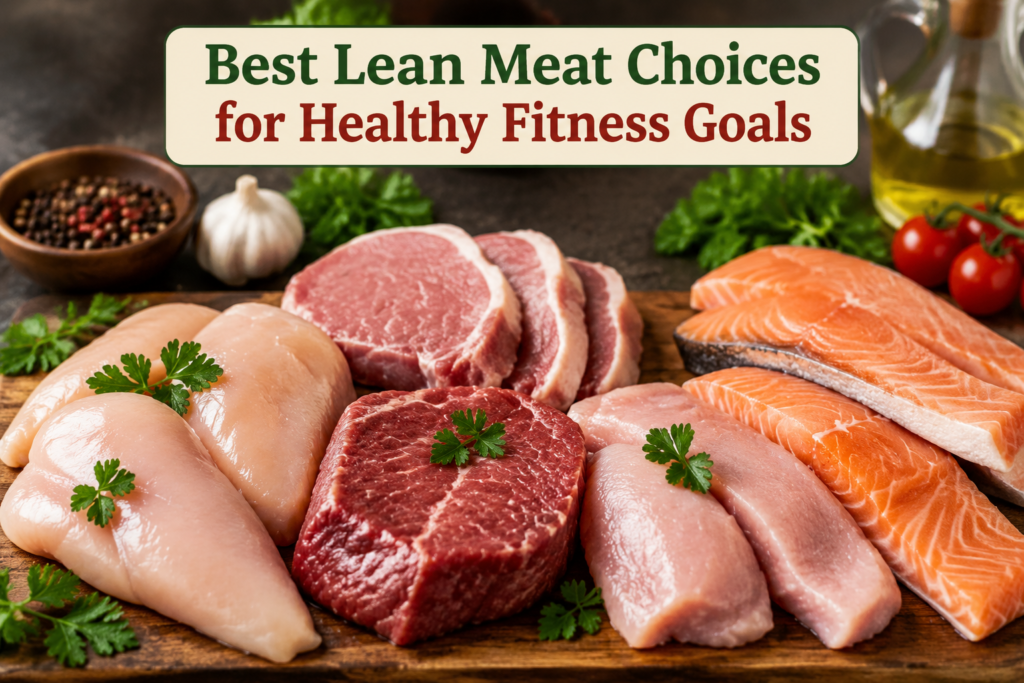
Fish as a Lean Meat Alternative
Although fish is not always categorized as traditional meat, it is an excellent protein source for fitness goals. Many types of fish provide high quality protein with relatively low calories.
Fish such as tuna, cod, and tilapia are popular choices among people focused on healthy eating. These options provide essential nutrients while supporting muscle maintenance.
Fatty fish like salmon contain healthy omega 3 fatty acids, which support heart health and may help reduce inflammation. Including different types of fish in a fitness diet can improve nutritional variety.
Pork Tenderloin: A Lean Protein Choice
Pork tenderloin is one of the leanest cuts of pork and can be included in a healthy fitness meal plan. It provides high quality protein along with vitamins and minerals.
Pork tenderloin contains vitamin B1, vitamin B6, phosphorus, and selenium. These nutrients support energy metabolism and normal body functions.
When prepared properly without excessive oil or heavy sauces, pork tenderloin can be a nutritious option for people working toward fitness goals.
Lamb and Mutton: Choosing Lean Cuts
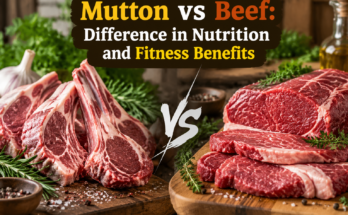
Lamb and mutton are popular meats in many cultures and can provide valuable nutrition. They contain protein, iron, zinc, and vitamin B12.
However, some cuts of lamb and mutton contain higher amounts of fat. Choosing leaner portions and removing visible fat can make them more suitable for a fitness diet.
These meats can support muscle development because they provide complete protein with all essential amino acids. Healthy cooking methods such as grilling or slow cooking can help maintain nutritional value.
How to Choose the Best Lean Meat
Choosing the right lean meat depends on your personal fitness goals, nutritional needs, and lifestyle. Some important points can help you make better choices.
First, look for cuts with less visible fat. Meat with excessive fat may increase calorie intake and make fitness goals harder to achieve.
Second, focus on preparation methods. Even lean meat can become unhealthy if it is deep fried or covered with high calorie sauces. Grilling, baking, steaming, and boiling are better options.
Third, maintain variety. Eating different types of lean meat provides a wider range of nutrients and prevents your diet from becoming boring.
Best Ways to Include Lean Meat in a Fitness Diet
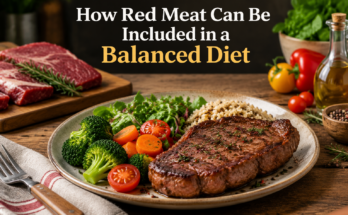
Lean meat can be included in many healthy meals throughout the day. A balanced meal may combine lean meat with vegetables, whole grains, and healthy fats.
For breakfast, some people prefer eggs with lean meat for a protein rich start. Lunch can include grilled chicken with vegetables and brown rice. Dinner may include lean beef, turkey, or fish with a healthy side dish.
After workouts, a protein rich meal containing lean meat can support muscle recovery. However, overall daily protein intake and balanced nutrition are more important than eating meat at a specific time.
Common Mistakes When Eating Lean Meat
Many people make mistakes while adding lean meat to their fitness diet. One common mistake is depending only on meat and ignoring other important foods. A healthy diet should include vegetables, fruits, carbohydrates, and healthy fats.
Another mistake is choosing unhealthy cooking methods. Adding too much oil or processed sauces can reduce the health benefits of lean meat.
Some people also eat too much protein without considering their total calorie needs. Fitness success requires balance between protein, carbohydrates, fats, and physical activity.
Lean Meat and Weight Loss Goals
Lean meat can be very helpful for people trying to lose weight. High protein foods increase fullness and help maintain muscle during calorie reduction.
When losing weight, the goal should not only be reducing body weight but also protecting muscle mass. Adequate protein intake helps the body maintain strength while reducing fat.
Combining lean meat with regular exercise, enough sleep, and a balanced diet can create better long term results.
Final Thoughts
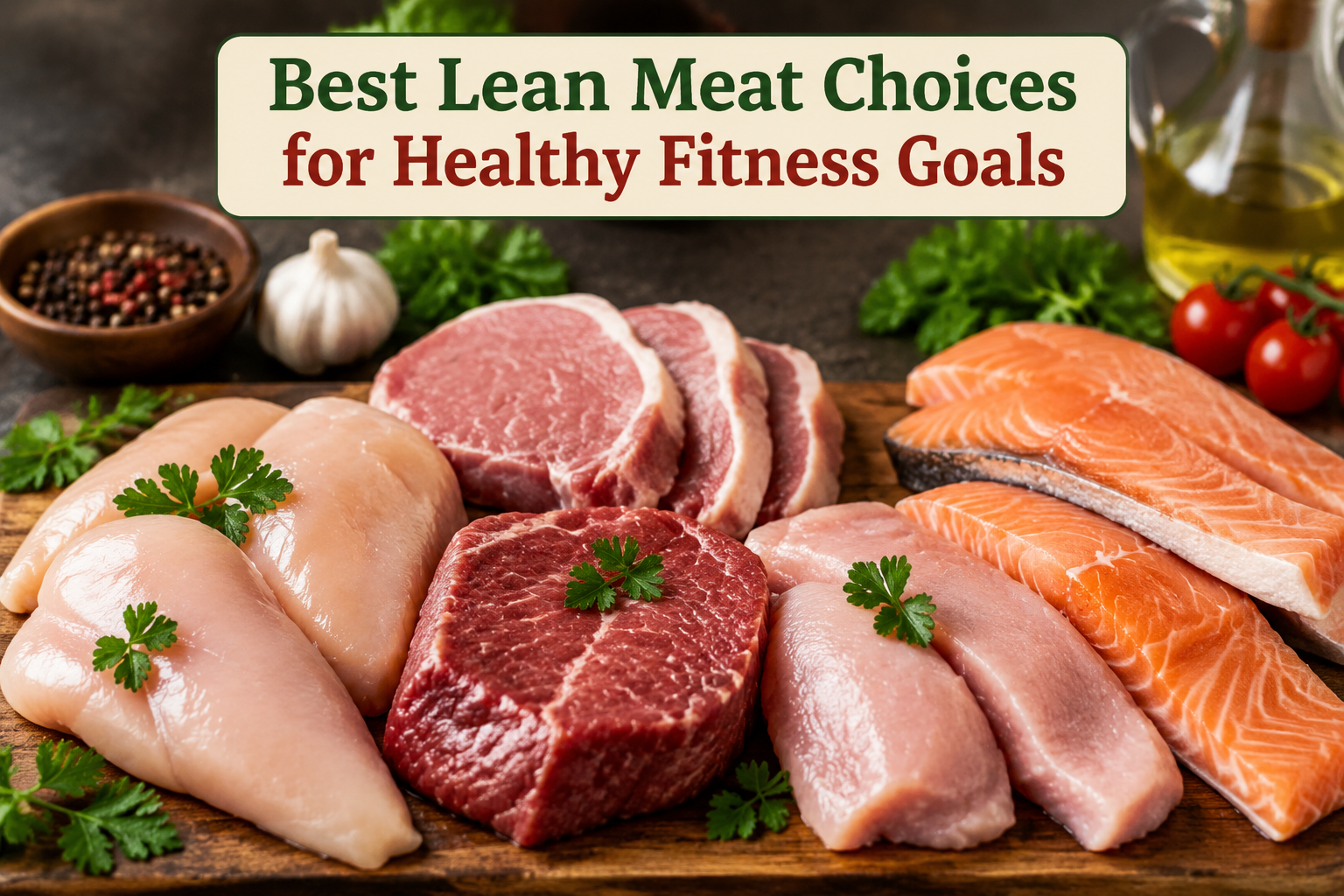
Lean meat is one of the best food choices for people who want to achieve healthy fitness goals. Options like chicken breast, turkey, lean beef, fish, pork tenderloin, and lean lamb provide valuable protein and essential nutrients that support muscle growth, recovery, and overall health.
The best results come from making smart choices, selecting lean cuts, using healthy cooking methods, and maintaining a balanced diet. Lean meat should be viewed as one part of a complete nutrition plan that includes vegetables, fruits, whole grains, and healthy fats.
Whether your goal is building muscle, improving strength, losing fat, or maintaining a healthy lifestyle, adding quality lean meat to your meals can support your journey toward a stronger and healthier body.