Strength training is one of the most effective ways to improve overall fitness and build a stronger, healthier body. Many people think strength training is only for athletes or people who want large muscles, but that is not true. Strength exercises can benefit almost everyone, regardless of age, fitness level, or personal goals. A regular strength training routine can improve muscle strength, support healthy body weight, protect bones, increase energy, and make everyday activities easier.
In today’s busy lifestyle, finding an exercise routine that provides multiple health benefits is important. Strength training can be a practical part of a balanced fitness plan because it helps develop physical strength while also supporting other areas of health. Whether you exercise at home, in a gym, or outdoors, adding strength exercises to your routine can make a noticeable difference over time.
What Is Strength Training?
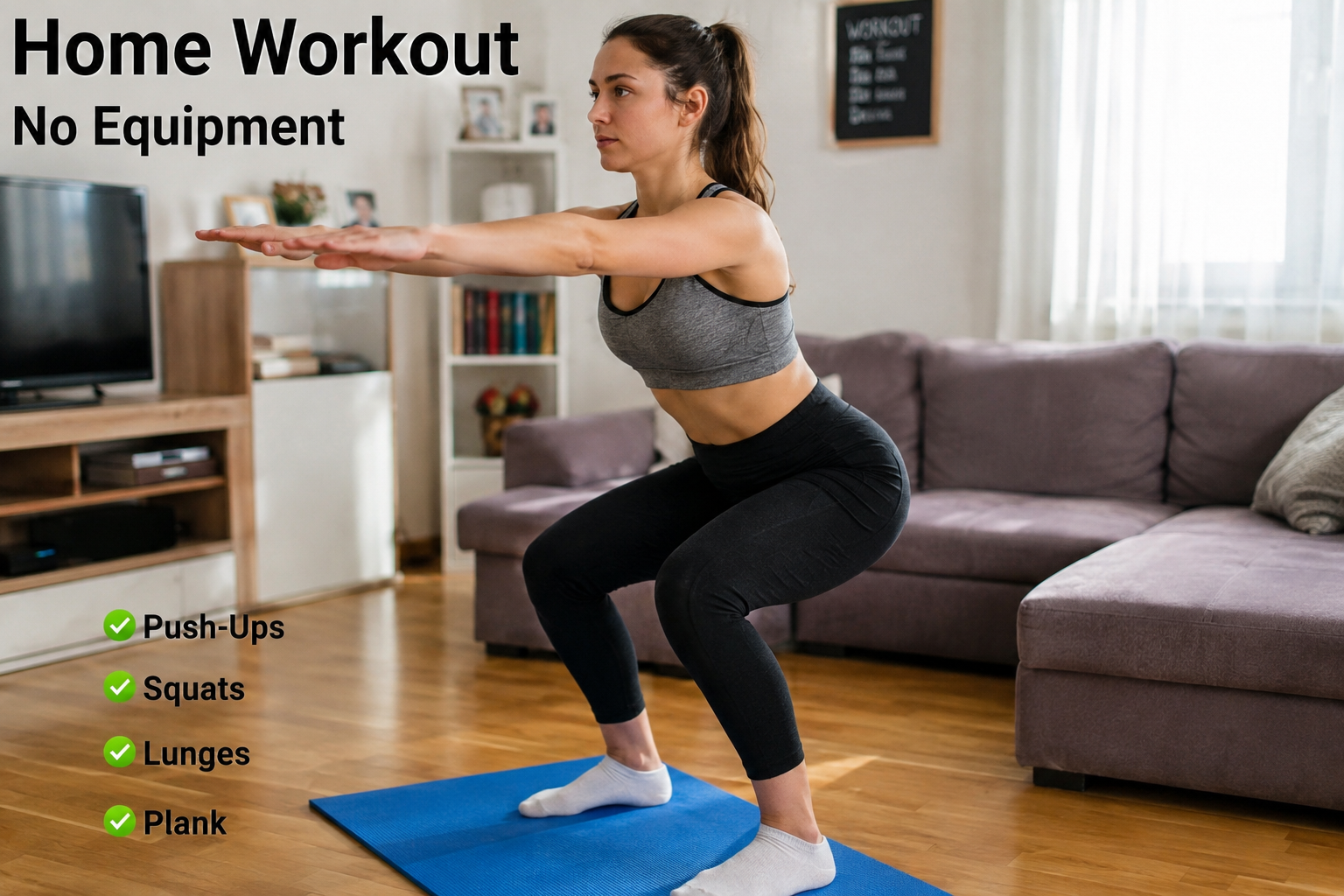
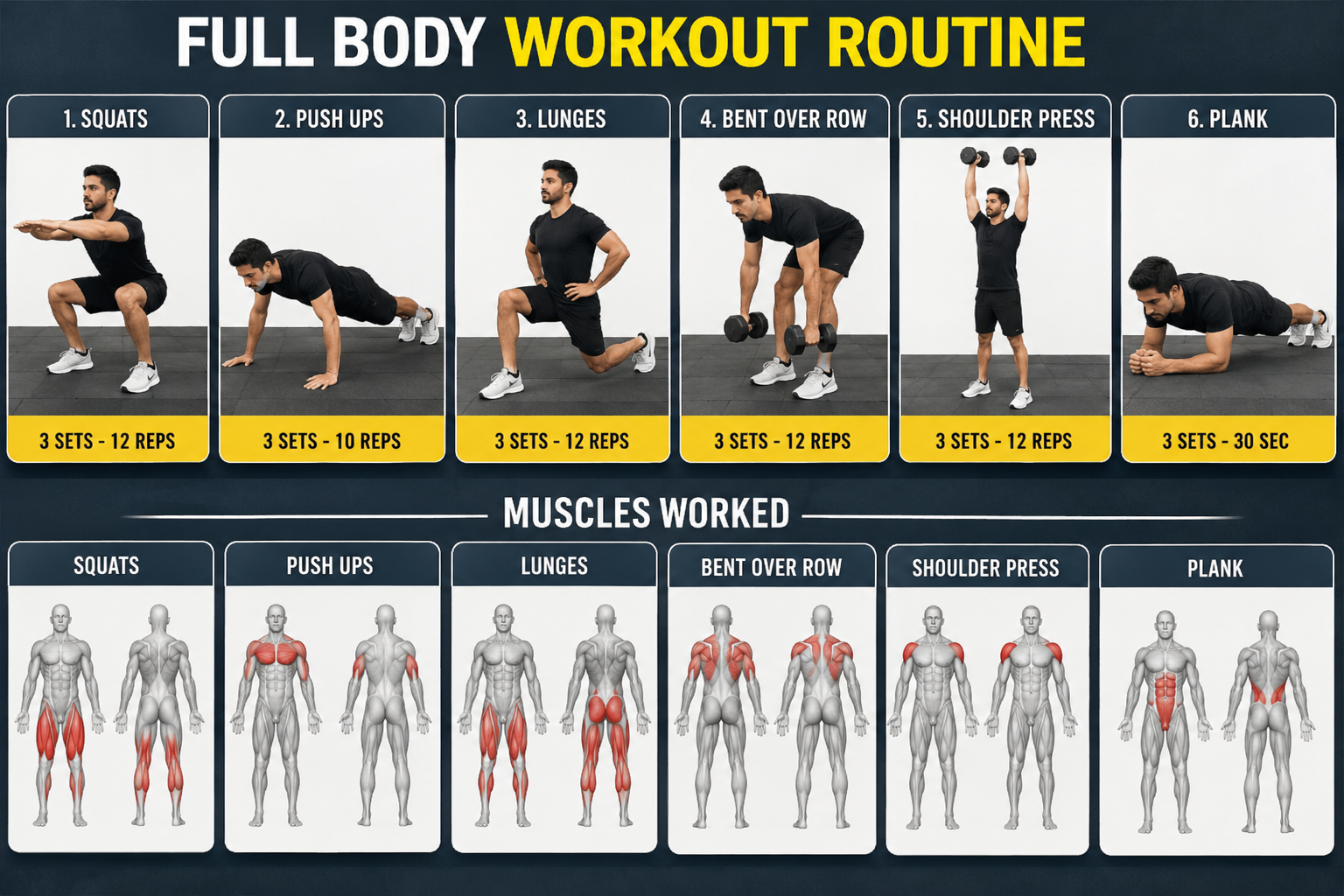
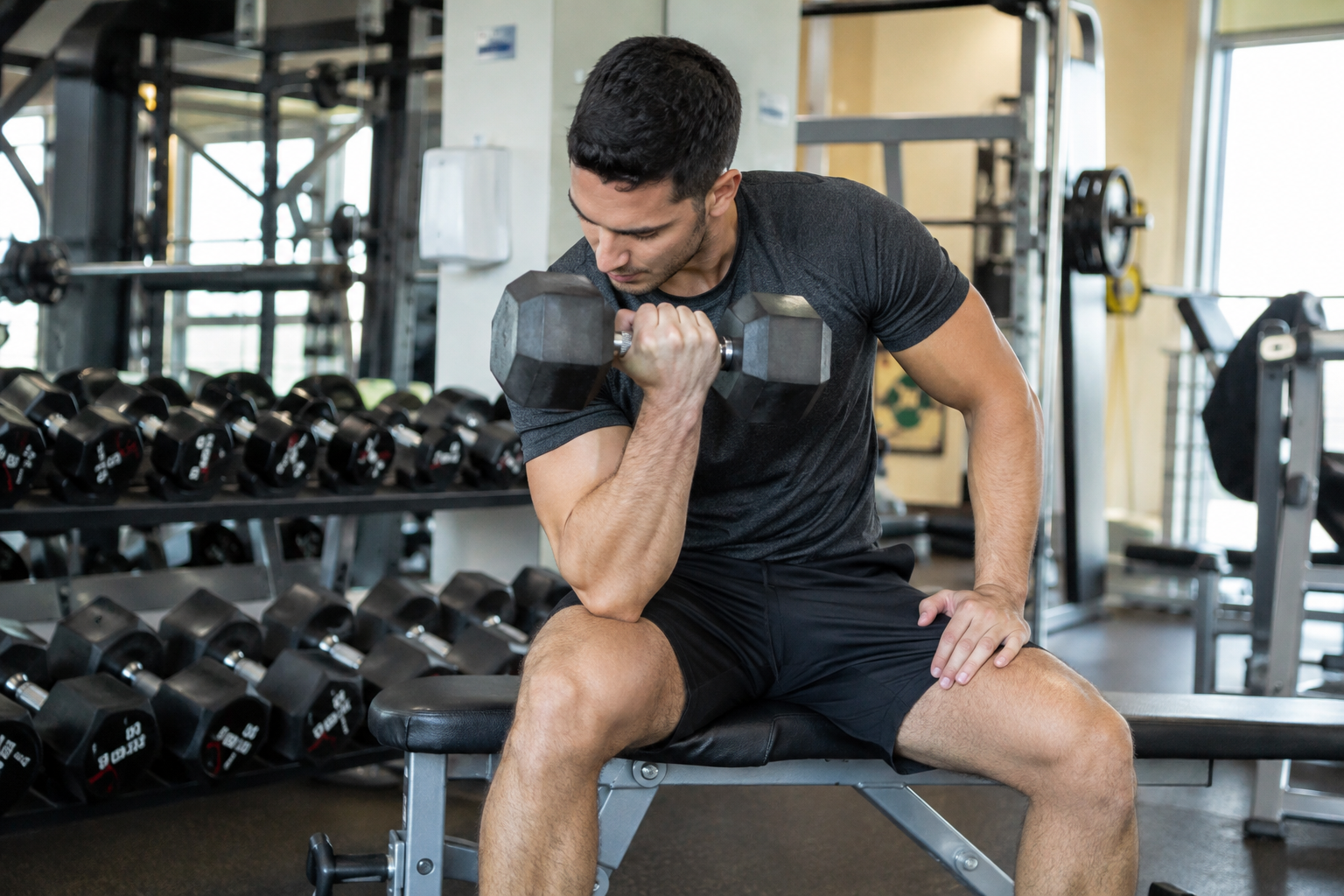
Strength training is a type of physical exercise that makes your muscles work against resistance. The resistance can come from your own body weight, resistance bands, dumbbells, machines, or other equipment. Common strength training exercises include squats, lunges, push ups, rows, shoulder presses, and deadlifts.
The main purpose of strength training is to make muscles stronger and more capable. When you regularly challenge your muscles, your body gradually adapts to the workload. With consistent practice, you can improve strength, endurance, balance, and physical performance.
You do not need to lift extremely heavy weights to experience the benefits of strength training. Beginners can start with simple bodyweight exercises and gradually increase the challenge as their fitness improves.
Builds Stronger Muscles
One of the most important strength training benefits is stronger muscles. Your muscles become more capable when they are regularly challenged through resistance exercises. Stronger muscles can help you perform daily activities with less effort.
Simple tasks such as carrying groceries, climbing stairs, lifting boxes, standing for long periods, or playing with children can become easier when your muscles are strong. Building muscle strength can also help you perform better during other physical activities such as running, cycling, swimming, and recreational sports.
A balanced strength training routine should target the major muscle groups, including the legs, chest, back, shoulders, arms, and core.
Supports Healthy Weight Management
Strength training can also support healthy weight management. Muscle tissue requires energy, so developing and maintaining muscle can contribute to your overall energy needs. Strength exercises also use calories during the workout and can be an effective part of an active lifestyle.
However, strength training should not be viewed only as a way to burn calories. Its bigger advantage is helping you build and maintain lean muscle while supporting a healthy body composition.
For better results, combine strength training with regular movement and a balanced diet that provides enough protein, vegetables, fruits, whole grains, and other nutritious foods.
Improves Bone Strength
Another important benefit of strength training is its positive effect on bone health. Resistance exercises place controlled stress on bones, which can encourage the body to maintain strong bones.
This is especially valuable as people get older because maintaining bone strength becomes increasingly important. Exercises such as squats, lunges, step ups, and resistance movements can be included in a well designed fitness program.
Strong bones provide better support for the body and can help you stay active throughout different stages of life.
Supports Better Joint Health
Strength training can help support the muscles around your joints. When these muscles are stronger, they can provide better support during movement. This can be especially useful for activities that involve walking, climbing stairs, lifting, or changing direction.
Good exercise technique is important. Beginners should focus on learning proper movement patterns before increasing resistance. Starting slowly and using controlled movements can help make strength training safer and more effective.
Improves Balance and Stability
Strength training is not only about stronger arms and legs. It can also improve balance and stability. Exercises that strengthen the legs and core can help your body remain controlled during different movements.
Better balance can be useful in everyday life, especially as people age. Strong legs and a stable core can make activities such as walking, standing from a chair, using stairs, and moving across uneven surfaces easier.
Exercises such as single leg movements, squats, lunges, and controlled core exercises can help develop stability when performed correctly.
Increases Physical Performance
If you enjoy sports or other physical activities, strength training can improve your performance. Stronger muscles can help you produce more force and control your movements more effectively.
For example, stronger legs can support running and cycling, while a stronger upper body can benefit swimming and activities that involve pushing or pulling. A strong core can also help with posture and movement control.
Strength training can therefore complement many other forms of exercise rather than replacing them.
Helps Improve Posture
Modern lifestyles often involve long periods of sitting, especially while working on computers or using mobile devices. Poor movement habits can contribute to weak muscles and uncomfortable posture.
Strength exercises that target the back, shoulders, core, and hips can help develop the muscles involved in maintaining good posture. Exercises such as rows, reverse fly movements, planks, and controlled core exercises can be useful parts of a balanced routine.
Good posture is not simply about sitting or standing straight all day. It also depends on having enough strength and mobility to maintain comfortable body positions during different activities.
Supports Mental Well Being
Physical exercise can also have benefits beyond the body. Strength training may help improve mood, reduce everyday stress, and provide a positive sense of achievement.
Completing a workout can give you a feeling of progress, especially when you gradually become stronger or perform an exercise more comfortably. Setting realistic fitness goals can also improve motivation and help you develop a more positive relationship with exercise.
You do not need to train for hours to experience these benefits. Consistent workouts that fit comfortably into your lifestyle can be more useful than occasional intense sessions.
Improves Daily Energy and Function
When your body becomes stronger, everyday physical activities can require less effort. This can make you feel more capable and physically prepared throughout the day.
Strength training can improve functional fitness, which means your body becomes better prepared for real life movements. Bending, lifting, reaching, walking, carrying objects, and getting up from a chair all require strength and coordination.
This is one reason strength training is valuable even for people who have no interest in bodybuilding or competitive sports.
Supports Healthy Aging
Maintaining strength becomes increasingly important as people age. Without regular physical activity, muscle strength and physical capacity can gradually decline.
A suitable strength training program can help older adults maintain muscle function, balance, mobility, and independence. The type and intensity of exercise should match an individual’s fitness level and experience.
It is never too late to begin developing better movement habits. Starting with simple exercises and progressing gradually can make strength training accessible to many people.
How Often Should You Do Strength Training?
The ideal training schedule depends on your goals, experience, recovery, and overall activity level. Many people can benefit from strength training several times per week while allowing enough recovery between sessions.
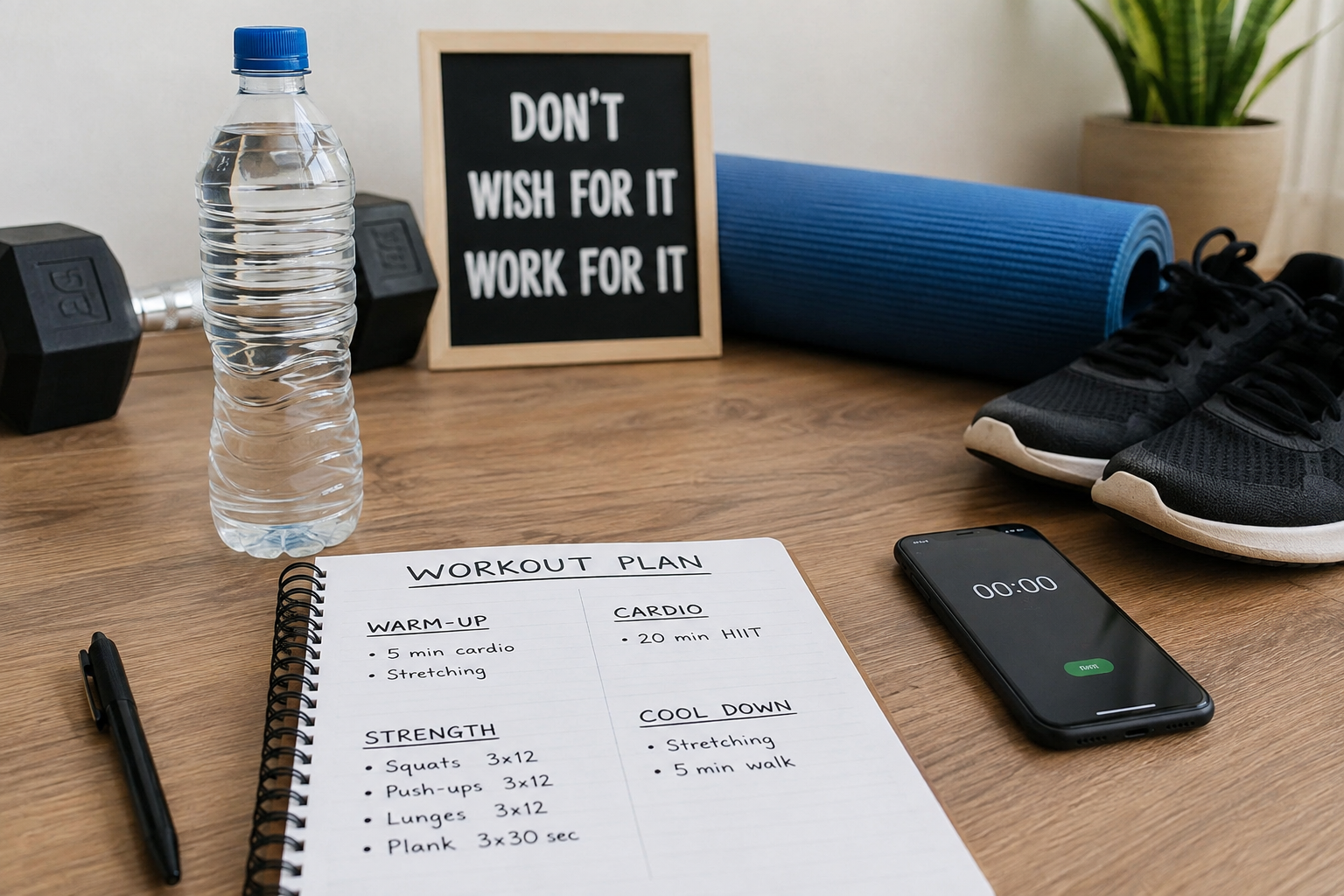
Beginners can start with shorter workouts and focus on learning proper form. A basic full body routine can include exercises for the legs, pushing muscles, pulling muscles, and core.
Progress does not always mean lifting heavier weights. You can also improve by performing more controlled repetitions, increasing resistance gradually, improving technique, or choosing a slightly more challenging exercise.
Rest and recovery are important because muscles need time to adapt to training.
Tips for Beginners
If you are new to strength training, start with exercises that match your current ability. Bodyweight exercises can be an excellent starting point because they require little or no equipment.
Focus on proper form instead of trying to lift as much as possible. Perform each movement slowly and with control. Warm up before exercising and give your body enough time to recover.
Consistency is more important than trying to achieve fast results. Create a realistic workout schedule that you can follow regularly. As your strength improves, gradually increase the challenge.
If you have an injury, medical condition, or concerns about starting exercise, consider speaking with a qualified health professional before beginning a new training program.
Conclusion
Strength training offers many benefits for overall fitness and can be an important part of a healthy lifestyle. It can build stronger muscles, support healthy weight management, improve bone strength, support joints, increase balance, improve physical performance, and make everyday activities easier.
The best strength training routine is one that you can perform consistently and safely. You do not need expensive equipment or advanced workouts to get started. Simple exercises, proper technique, gradual progress, and regular practice can help you build a stronger and more capable body.
Whether your goal is better fitness, improved strength, healthy aging, or greater confidence in everyday movement, strength training can be a valuable addition to your routine. Start at your current fitness level, stay consistent, and give your body time to improve.