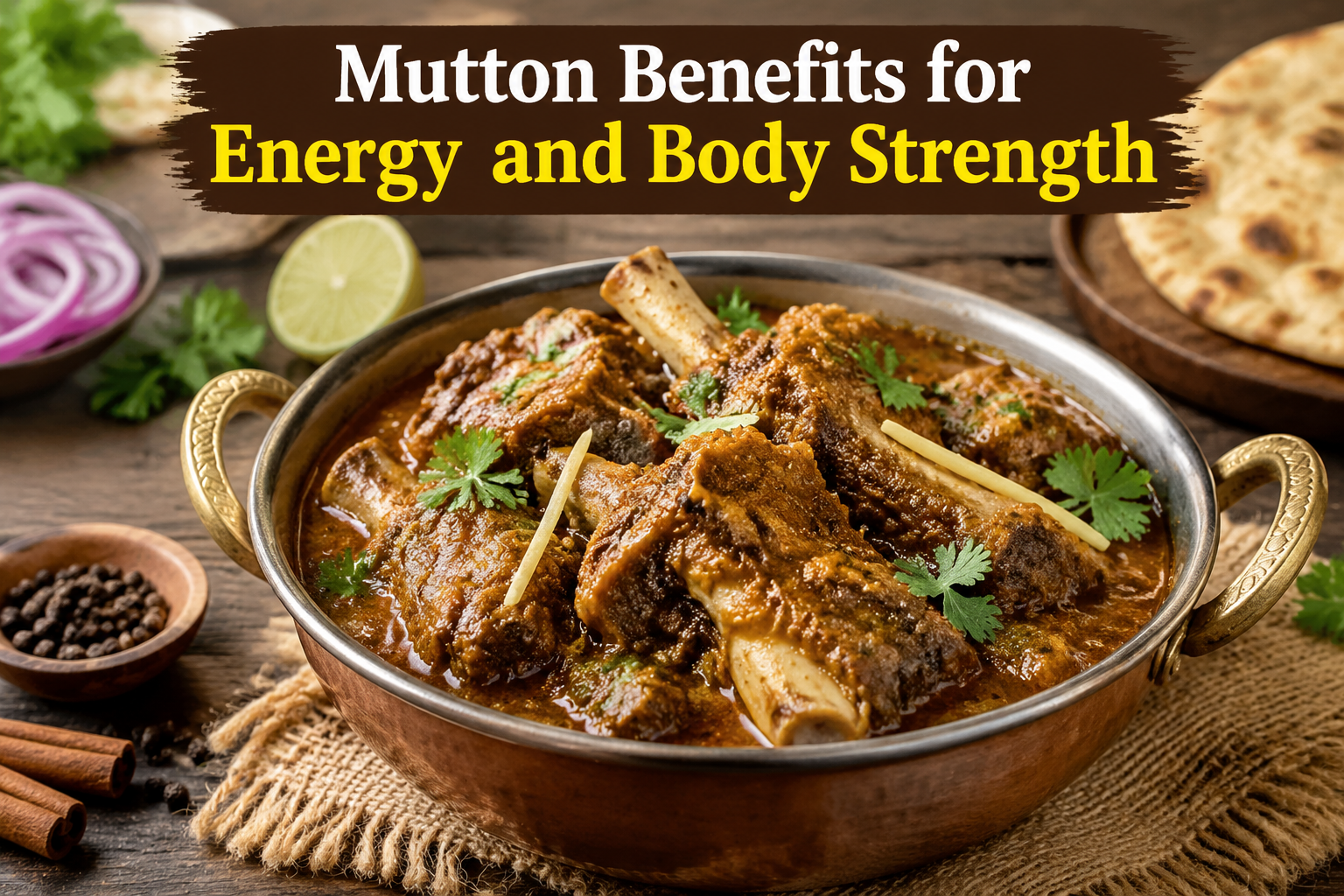
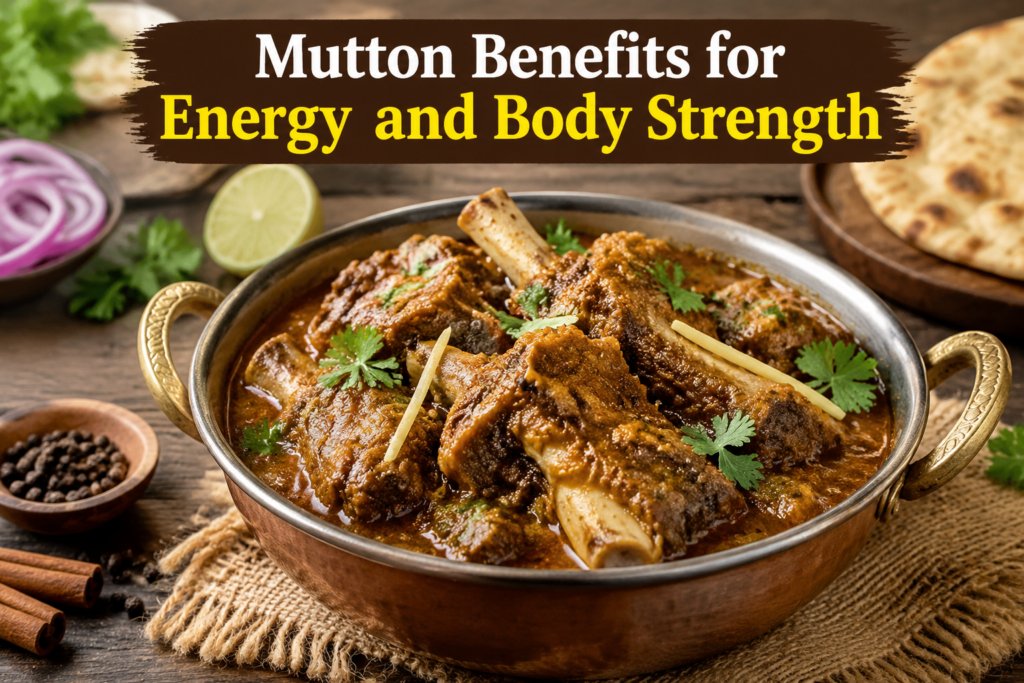
Mutton is one of the most popular sources of animal protein enjoyed around the world. For many people, it is not only a delicious food but also an important part of a balanced diet. Mutton contains valuable nutrients that support energy production, muscle health, and overall body strength. When eaten in the right amount and prepared in a healthy way, mutton can become a beneficial addition to a fitness focused lifestyle.
Many active people, athletes, and gym lovers look for foods that provide enough protein, minerals, and calories to support their daily activities. Mutton is considered a nutrient rich food because it contains high quality protein, iron, zinc, vitamin B12, and other essential nutrients that help the body perform better. These nutrients play an important role in maintaining muscles, improving energy levels, and supporting recovery after physical activity.
High Quality Protein for Muscle Strength
One of the biggest benefits of mutton is its high protein content. Protein is an essential nutrient required for building and repairing muscles. Every time we exercise, especially during strength training, small tears occur in muscle fibers. The body uses protein to repair these fibers and make them stronger.
Mutton provides complete protein, which means it contains all essential amino acids that the body cannot produce naturally. These amino acids are important for muscle growth, recovery, and maintaining lean body mass.
For people who want to increase body strength, adding a moderate amount of mutton to a balanced diet can help meet daily protein needs. Combined with regular exercise, protein rich foods like mutton can support better muscle development and physical performance.
Mutton Helps Improve Energy Levels
Energy is necessary for daily activities, workouts, and maintaining an active lifestyle. Mutton contains several nutrients that contribute to natural energy production in the body.
Iron is one of the important minerals found in mutton. Iron helps produce hemoglobin, a protein in red blood cells that carries oxygen throughout the body. When the body receives enough oxygen, muscles can work more efficiently, and people may feel more energetic during physical activities.
Vitamin B12 is another important nutrient in mutton that supports energy metabolism. It helps convert food into energy and plays a role in maintaining healthy nerve function. A deficiency of vitamin B12 may lead to tiredness and weakness, so including foods that contain this vitamin can support overall energy levels.
Supports Muscle Recovery After Exercise
Recovery is an important part of fitness and strength building. Without proper recovery, muscles may not grow effectively, and performance may decrease. Mutton provides protein and essential nutrients that help the body recover after intense workouts.
The amino acids in mutton help repair damaged muscle tissues and support the rebuilding process. This makes it a useful food option for people who participate in weight training, sports, or other demanding physical activities.
Eating a balanced meal containing mutton along with vegetables and healthy carbohydrates can provide the body with the nutrients needed for better post workout recovery.
Rich Source of Iron for Better Oxygen Supply
Iron plays a major role in maintaining energy and strength. The body needs iron to produce healthy red blood cells that transport oxygen to muscles and organs.
Mutton contains heme iron, which is a type of iron found in animal foods and is generally absorbed more easily by the body compared to plant based iron sources. Good iron intake helps support normal energy levels and physical performance.
People who regularly experience low energy may benefit from including iron rich foods as part of a balanced diet. However, maintaining variety in food choices is important because the body requires many different nutrients.
Provides Important Vitamins and Minerals
Mutton is not only a protein source but also provides several vitamins and minerals that support overall health. It contains zinc, selenium, phosphorus, and B vitamins that contribute to different body functions.
Zinc supports immune health, wound healing, and normal growth processes. Selenium works as an antioxidant that helps protect body cells from damage. Phosphorus supports strong bones and helps with energy production.
B vitamins found in mutton assist in converting carbohydrates, fats, and proteins into usable energy. This makes mutton a nutrient dense food for people who want to maintain strength and an active lifestyle.
Mutton and Healthy Weight Management
Many people think that healthy eating is only about reducing food intake, but choosing nutrient rich foods is equally important. Mutton can support weight management because its high protein content helps increase feelings of fullness.
Protein takes longer to digest compared to many other nutrients, which may help control hunger and reduce unnecessary snacking. When included in a balanced meal plan, mutton can help provide satisfaction while supplying important nutrients.
However, portion control is important because some cuts of mutton contain higher amounts of fat. Choosing lean cuts and using healthier cooking methods can make mutton a better option for fitness goals.
Benefits of Mutton for Active People
People who follow an active lifestyle require more nutrients because their bodies use more energy. Gym workouts, sports, and physically demanding jobs increase the need for protein and minerals.
Mutton can provide the nutrition needed to support strength, endurance, and recovery. The combination of protein, iron, and vitamins makes it a valuable food choice for people who want to maintain physical performance.
Athletes and fitness enthusiasts often focus on protein sources because muscles need amino acids for repair. Mutton can be included as one of many protein options along with chicken, fish, eggs, dairy products, and plant based foods.
Healthy Ways to Cook Mutton
The way mutton is prepared can affect its nutritional value. Traditional cooking methods often use large amounts of oil, which can increase unnecessary calories. Choosing healthier cooking techniques can help maintain the benefits of mutton.
Grilling, baking, boiling, or slow cooking with limited oil are healthier options compared to deep frying. Adding vegetables and spices can improve the nutritional quality of a mutton meal.
A balanced mutton dish can include vegetables, whole grains, or other sources of healthy carbohydrates. This combination provides protein, fiber, vitamins, and energy supporting nutrients.
How Much Mutton Should You Eat?
The amount of mutton a person should eat depends on their age, activity level, health goals, and overall diet. People who exercise regularly may require more protein compared to those with a less active lifestyle.
Eating mutton in moderation is the best approach. A balanced diet should include different protein sources instead of depending on only one type of food.
A healthy plate usually contains a suitable portion of protein along with vegetables and quality carbohydrates. This approach helps provide complete nutrition and supports long term health.
Mutton for Strong Bones and Body Structure
Strong muscles and bones are important for overall body strength. Mutton contains phosphorus and protein, which contribute to maintaining healthy bones and body tissues.
Protein supports the structure of muscles, skin, and other tissues, while minerals help maintain bone strength. For people who want to stay physically active, getting enough nutrients from quality foods is essential.
A nutritious diet combined with exercise, proper sleep, and hydration creates a strong foundation for better health and fitness.
Mutton Benefits for Immunity and General Health
A strong immune system helps the body fight common illnesses and recover properly. Nutrients like zinc and selenium found in mutton support normal immune function.
Eating a variety of nutrient rich foods helps the body receive different vitamins and minerals required for protection and repair. Mutton can be part of this variety when consumed responsibly.
It is important to remember that no single food can provide every nutrient the body needs. A healthy lifestyle depends on a combination of balanced eating habits, physical activity, and good daily routines.
Conclusion
Mutton is a nutrient rich food that can provide many benefits for energy, body strength, and muscle health. Its high quality protein, iron, vitamin B12, zinc, and other essential nutrients make it a valuable choice for people who want to support an active lifestyle.
When eaten in the right quantity and prepared using healthy cooking methods, mutton can help improve muscle recovery, maintain energy levels, and support overall physical performance. Whether someone is working toward fitness goals or simply wants a nutritious meal, mutton can be a beneficial part of a balanced diet.
A strong body requires consistent healthy choices. Including protein rich foods like mutton along with vegetables, whole grains, exercise, and proper rest can help create a healthier and stronger lifestyle.