When people start focusing on fitness, muscle growth, and a healthier lifestyle, one of the most common questions they ask is whether beef is a good choice for their diet. Beef has been a part of human nutrition for thousands of years because it provides important nutrients that support strength, energy, and overall health. For athletes, gym lovers, and people who want to build a stronger body, beef can be a valuable source of high quality protein and essential vitamins.
A balanced fitness diet is not only about eating more protein. The body also needs minerals, healthy fats, energy, and nutrients that help muscles recover after exercise. Beef contains many of these important nutrients, which makes it a popular food among fitness enthusiasts. However, the type of beef, cooking method, and portion size play an important role in deciding whether it supports your fitness goals.
Beef as a High Protein Food for Muscle Growth
Protein is one of the most important nutrients for anyone who wants to improve fitness performance. During workouts, especially strength training, muscles experience small amounts of stress and need protein to repair and grow. Beef is considered a complete protein source because it contains all essential amino acids that the body cannot produce on its own.
A serving of lean beef can provide a significant amount of protein that helps support muscle recovery and growth. Amino acids such as leucine play a major role in activating muscle protein synthesis, which is the process responsible for building new muscle tissue.
For people who regularly exercise, adding beef to a balanced diet can help meet daily protein requirements. It can be especially useful for individuals who have difficulty getting enough protein from plant based foods alone.
Beef Contains Essential Nutrients for Active People
One of the biggest benefits of beef for fitness is that it provides many important nutrients beyond protein. A healthy and active body needs more than calories and protein to perform well.
Beef is rich in iron, zinc, vitamin B12, selenium, and other nutrients that support energy production and body functions.
Iron is important because it helps transport oxygen through the blood. During exercise, muscles require oxygen to produce energy. Low iron levels can lead to tiredness and reduced workout performance.
Zinc supports immune health, hormone function, and recovery. People who train regularly need a strong immune system because intense exercise can place stress on the body.
Vitamin B12 is another important nutrient found naturally in beef. It helps with red blood cell formation and supports the nervous system. A healthy nervous system is important for muscle control, coordination, and physical performance.
Beef and Muscle Recovery After Exercise
Recovery is a major part of fitness progress. Many people focus only on workouts but forget that muscles grow during rest and recovery. Nutrition plays a key role in this process.
Beef provides high quality protein that supplies amino acids needed to repair damaged muscle fibers. Eating enough protein after training can help the body recover faster and prepare for the next workout session.
Beef also contains creatine, a natural compound that supports energy production in muscles. Creatine helps provide quick energy during high intensity activities such as weightlifting, sprinting, and intense gym exercises.
Although the body produces creatine naturally, consuming foods like beef can contribute to creatine intake and support physical performance.
Lean Beef vs Fatty Beef for Fitness Goals
Not all beef products are the same. The nutritional value can change depending on the cut of meat and the amount of fat it contains.
Lean beef cuts usually contain more protein with fewer calories from fat. These options can be helpful for people who want to build muscle while maintaining a healthy body weight.
Examples of lean beef choices include sirloin, tenderloin, round cuts, and trimmed portions with visible fat removed.
Fatty cuts of beef contain more calories and saturated fat. They can still be included in a balanced diet, especially for people who need more calories for weight gain or intense training, but portion control is important.
The best choice depends on personal fitness goals. Someone trying to lose body fat may prefer lean beef, while someone trying to increase calorie intake for muscle growth may include higher calorie options.
Beef for Weight Loss and Fat Management
Many people believe that beef is only useful for gaining muscle, but it can also support weight management when included correctly.
Protein rich foods like beef can increase feelings of fullness and reduce unnecessary snacking. A meal containing protein can help control hunger and make it easier to follow a healthy eating plan.
When trying to lose fat, the total calorie intake matters. Eating large portions of high calorie beef dishes with added oils or sauces may slow progress. However, lean beef prepared with healthy cooking methods can fit well into a fat loss diet.
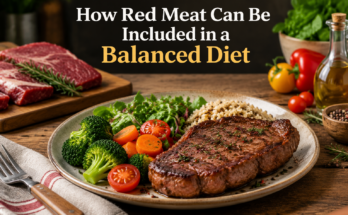
Combining beef with vegetables, whole grains, and other nutritious foods creates a balanced meal that supports both fitness and overall health.
Best Ways to Cook Beef for Fitness
The cooking method can change the nutritional value of beef. Healthy preparation methods help maintain nutrients while avoiding unnecessary calories.
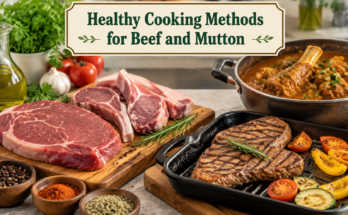
Grilling, baking, boiling, and slow cooking are popular methods for preparing fitness friendly beef meals. These methods can preserve flavor without adding excessive amounts of unhealthy fats.
Deep frying beef or adding large amounts of butter, oil, and high calorie sauces can increase the calorie content and make it harder to achieve fitness goals.
Simple seasoning with herbs, spices, and natural ingredients can create a healthy and delicious beef meal.
How Much Beef Should You Eat for Fitness?
The ideal amount of beef depends on your body weight, activity level, fitness goal, and total diet. There is no single amount that works for everyone.
A person who trains regularly may need more protein compared to someone with a less active lifestyle. Beef can be included as one protein source among many other foods such as chicken, fish, eggs, dairy products, beans, and vegetables.
A balanced diet usually works better than depending on only one food. Variety ensures that the body receives different nutrients needed for long term health.
Beef Compared With Other Protein Sources
Beef is one of many excellent protein sources available today. Each food has its own benefits.
Chicken is popular because it is usually lower in fat and easy to prepare. Fish provides protein along with healthy omega 3 fats. Eggs offer protein and important vitamins. Plant based foods such as beans and lentils provide fiber along with nutrients.
Beef stands out because it combines protein with important minerals like iron and zinc. For people who enjoy its taste and digest it well, beef can be an effective part of a fitness focused meal plan.
Is Beef Safe for Everyday Fitness Diets?
Beef can be included in a healthy fitness diet when consumed in appropriate portions and prepared properly. The key is balance.
Eating excessive amounts of processed beef products such as sausages and heavily preserved meats may not provide the same benefits as fresh lean beef. Choosing quality beef and combining it with vegetables, fruits, and whole foods creates a more balanced approach.
Fitness is not achieved through one food alone. Consistent exercise, proper sleep, hydration, and a nutritious diet all work together.
Beef Meal Ideas for Fitness Lovers
There are many simple ways to include beef in a fitness meal plan.
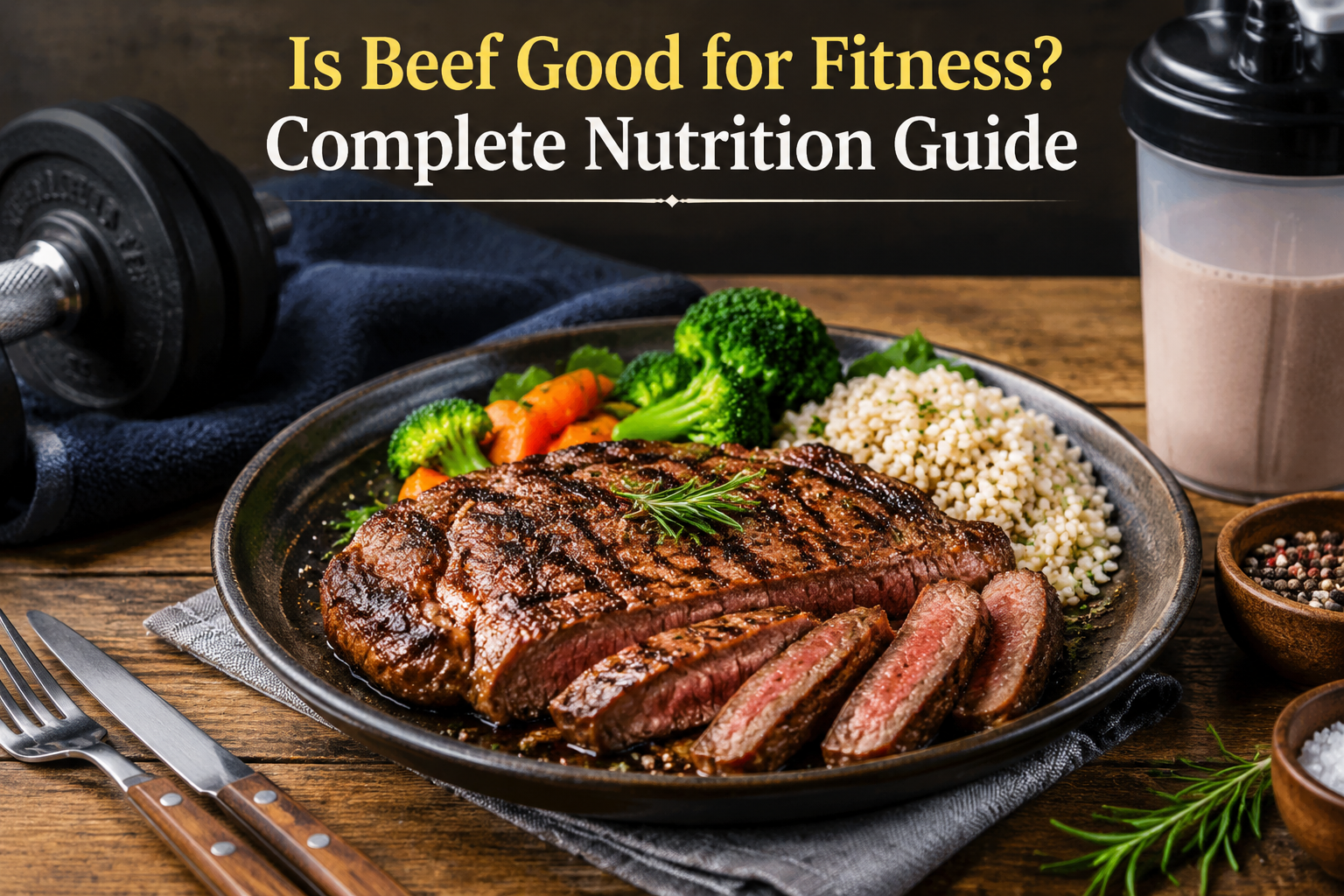
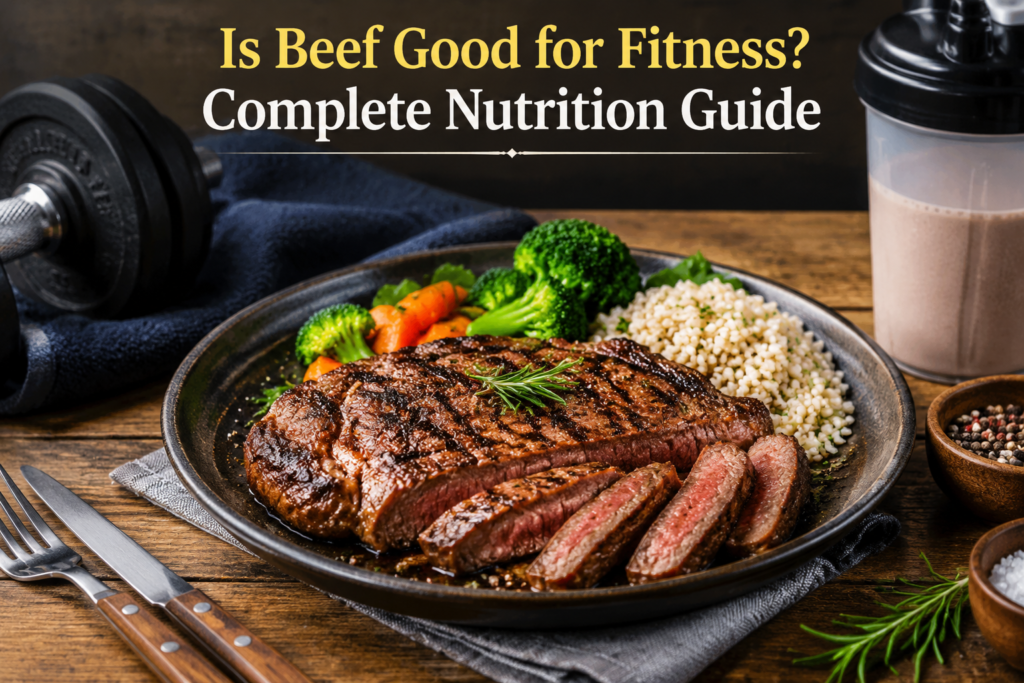
A grilled beef steak with vegetables can provide a protein rich dinner. Lean beef with brown rice can create a balanced meal for muscle recovery. Beef and vegetable soup can be a nutritious option during colder days. A homemade beef bowl with whole grains and fresh vegetables can also be a convenient fitness meal.
The goal is to prepare beef in a way that supports your health and fitness objectives.
Final Thoughts
So, is beef good for fitness? The answer is yes, when it is consumed as part of a balanced diet. Beef provides high quality protein, essential amino acids, iron, zinc, vitamin B12, and other nutrients that support muscle growth, energy, and recovery.
For people who want to build strength, improve workout performance, or maintain an active lifestyle, beef can be a useful addition to their nutrition plan. Choosing lean cuts, controlling portions, and using healthy cooking methods are important steps for getting the maximum benefits.
A successful fitness journey is built on consistency. Eating nutritious foods like beef, following a regular exercise routine, and maintaining healthy habits can help you achieve a stronger and healthier body over time.