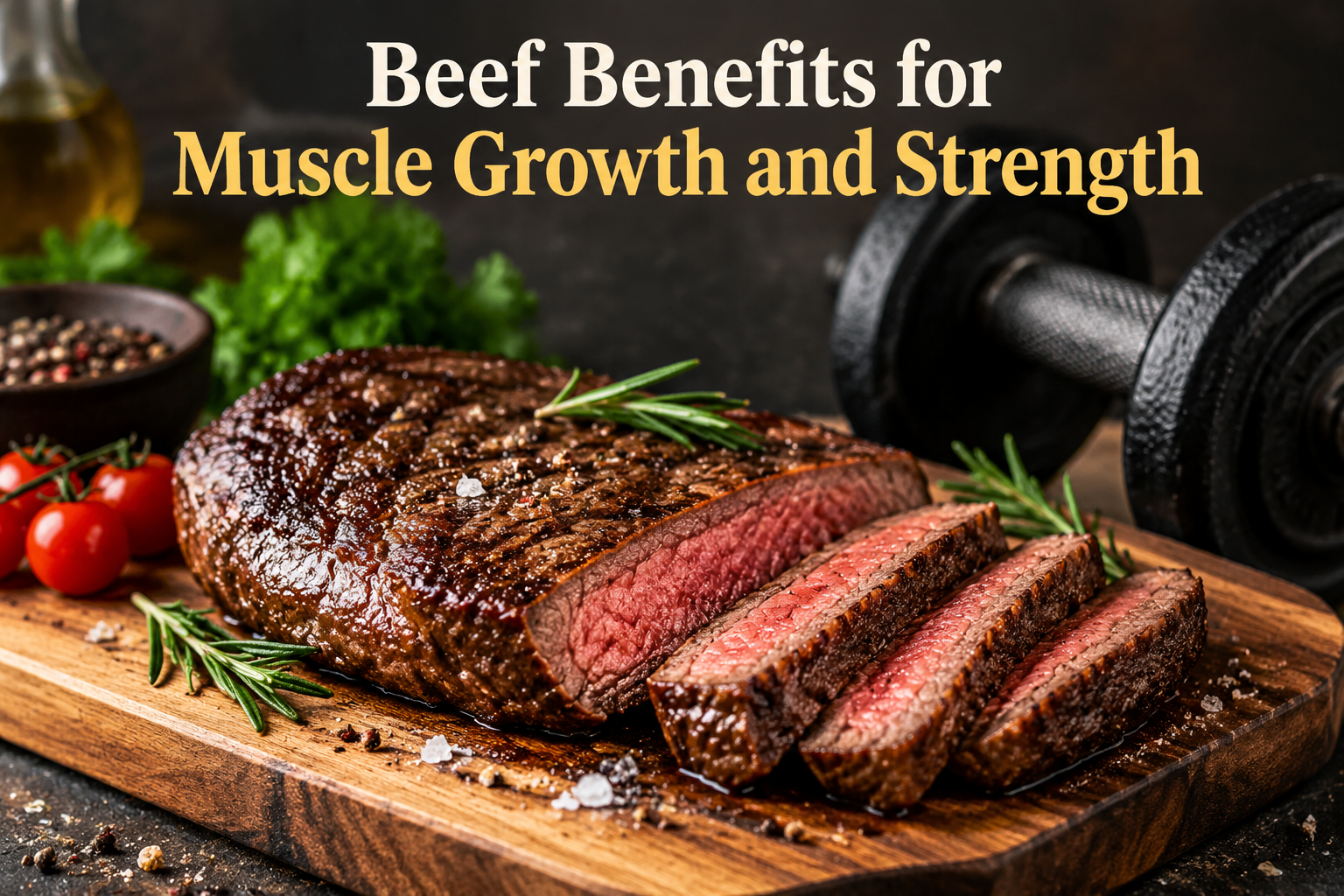
Building muscle and increasing strength requires a combination of regular exercise, proper recovery, and a balanced diet. Among the many foods that support fitness goals, beef has remained one of the most popular choices for athletes, bodybuilders, and people who want to improve their physical performance. Beef is naturally rich in high quality protein, essential nutrients, and important minerals that help the body repair muscles, produce energy, and maintain overall health.
Many fitness lovers include beef in their diet because it provides nutrients that are difficult to get in the same amount from many other foods. When combined with strength training and a healthy lifestyle, beef can play an important role in muscle growth and strength development. Understanding the benefits of beef can help you make better food choices for your fitness journey.
Why Beef Is Important for Muscle Growth
Muscle growth happens when your body receives enough protein and nutrients to repair and build new muscle fibers. During strength training, muscles experience small amounts of stress and damage. The body uses protein and other nutrients to repair this damage, making the muscles stronger and bigger over time.
Beef is considered an excellent muscle building food because it contains complete protein. Complete proteins provide all nine essential amino acids that the body cannot produce on its own. These amino acids are necessary for muscle repair, growth, and recovery after exercise.
A diet that includes enough high quality protein can support better workout results, especially when combined with resistance training. This is why beef is commonly found in meal plans designed for athletes and active individuals.
High Quality Protein Source
One of the biggest beef benefits for muscle growth is its high protein content. Protein is the main building block of muscles, and getting enough protein daily is essential for anyone who wants to increase muscle size and strength.
A serving of lean beef provides a significant amount of protein that helps meet daily nutritional needs. The amino acids found in beef help stimulate muscle protein synthesis, which is the process your body uses to create new muscle tissue.
For people who exercise regularly, protein intake becomes even more important because workouts increase the demand for muscle repair. Including beef in a balanced diet can make it easier to reach protein goals without relying only on supplements.
Rich in Creatine for Strength Performance
Beef is a natural source of creatine, a compound that plays an important role in energy production during intense physical activity. Your muscles store creatine and use it during short bursts of powerful movements such as weightlifting, sprinting, and high intensity training.
Higher creatine availability can help improve strength performance and workout capacity. This means you may be able to perform more repetitions, lift heavier weights, and train with greater intensity.
Many athletes use creatine supplements, but beef naturally contains creatine along with other important nutrients. Including beef in your diet can contribute to your overall creatine intake while providing additional health benefits.
Provides Essential Amino Acids
Beef contains important amino acids that support muscle development. One of the most important amino acids is leucine, which plays a major role in activating muscle protein synthesis.
Leucine acts like a signal that tells the body to start the muscle building process. Foods rich in leucine are valuable for people who want to gain muscle and improve recovery after workouts.
Beef also contains other amino acids that help repair tissues, support energy production, and maintain healthy body functions. This makes beef a complete option for people following a fitness focused diet.
Supports Faster Muscle Recovery
Recovery is a key part of building strength. Many people focus only on workouts but forget that muscles grow during rest and recovery. Proper nutrition helps the body recover faster and prepares muscles for the next training session.
The protein in beef helps repair muscle damage caused by exercise. When your body receives enough protein and nutrients, recovery becomes more efficient, allowing you to maintain a consistent workout routine.
Beef also contains minerals such as zinc and iron that support important processes involved in energy production and oxygen transport. These nutrients help reduce tiredness and support better physical performance.
Excellent Source of Iron
Iron is an essential mineral that helps transport oxygen throughout the body. Oxygen is necessary for energy production and muscle function. Low iron levels can lead to tiredness, weakness, and reduced exercise performance.
Beef contains heme iron, which is a type of iron that the body absorbs more easily compared to plant based sources. This makes beef especially beneficial for active individuals who need strong energy levels during workouts.
Maintaining healthy iron levels can support endurance, strength, and overall fitness performance.
Contains Vitamin B12 for Energy
Vitamin B12 is another important nutrient found naturally in beef. This vitamin supports red blood cell production, nerve function, and energy metabolism.
For people who exercise regularly, proper energy production is important for maintaining workout intensity. Vitamin B12 helps the body convert food into usable energy, supporting daily activities and physical performance.
A deficiency in vitamin B12 can cause low energy and weakness. Including nutrient rich foods like beef can help provide this important vitamin as part of a balanced diet.
Helps Maintain Muscle Mass
Building muscle is important, but maintaining muscle is equally valuable. As people get older, maintaining muscle strength becomes more challenging. A protein rich diet can help protect muscle tissue and support healthy aging.
Beef provides high quality protein that helps preserve muscle mass. This is beneficial not only for athletes but also for anyone who wants to maintain a strong and active body.
Regular exercise combined with adequate protein intake can support better body composition and long term strength.
Beef for Weight Training and Fitness Goals
People who participate in weight training need higher amounts of protein and nutrients compared to less active individuals. Beef can be a useful addition to a fitness meal plan because it provides concentrated nutrition in a simple food source.
A balanced meal containing lean beef, vegetables, and healthy carbohydrates can provide the fuel needed for challenging workouts. Carbohydrates support energy, vegetables provide vitamins and minerals, and beef supplies protein for muscle repair.
The quality of your diet can strongly influence your fitness results. Choosing nutrient dense foods like beef can help you make steady progress toward your goals.
Best Types of Beef for Muscle Building
Not all beef options provide the same nutritional value. For fitness goals, choosing lean cuts of beef is usually a better option because they provide high protein with less unnecessary fat.
Examples of lean beef choices include:
Lean steak cuts
Beef tenderloin
Sirloin
Extra lean ground beef
These options can provide excellent nutrition while helping you maintain a balanced calorie intake.
However, fattier cuts can also have a place in a diet, especially for people who need additional calories for muscle gain. The best choice depends on individual goals, activity level, and overall nutrition plan.
How Much Beef Should You Eat for Muscle Growth
The amount of beef needed depends on your total daily protein requirements, body weight, training routine, and fitness goals.
People focused on muscle growth should aim to consume enough protein throughout the day from different sources. Beef can be one part of a balanced protein intake that may also include eggs, fish, dairy products, chicken, and plant based foods.
Eating a variety of protein sources ensures that your body receives different nutrients needed for health and performance.
Healthy Ways to Cook Beef
The cooking method can affect the overall health value of beef. Healthy cooking methods help maintain nutrients while avoiding unnecessary calories.
Grilling, baking, boiling, and slow cooking are good options for preparing beef. Adding vegetables and whole foods creates a balanced meal that supports fitness goals.
Avoid consuming heavily processed beef products regularly because they may contain higher amounts of salt and additives. Fresh, high quality beef is generally a better choice for a healthy lifestyle.
Beef and a Balanced Fitness Diet
Although beef offers many benefits, it should be part of a complete diet rather than the only food you eat. A successful fitness diet includes protein, carbohydrates, healthy fats, vitamins, minerals, and enough water.
Combining beef with vegetables, fruits, whole grains, and other healthy foods creates a strong foundation for muscle growth and overall wellness.
Consistency is more important than a single food choice. Eating nutritious meals regularly, training properly, and getting enough rest are the main factors that lead to long term progress.
Final Thoughts
Beef benefits for muscle growth and strength make it a valuable food choice for many fitness enthusiasts. Its high quality protein, essential amino acids, creatine content, iron, and vitamin B12 make it a powerful addition to a muscle building diet.
Whether your goal is gaining muscle, improving strength, or supporting better workout performance, beef can provide important nutrients that help your body grow and recover. The key is choosing quality beef, preparing it in a healthy way, and including it as part of a balanced nutrition plan.
A strong body is built through smart training, proper recovery, and consistent healthy eating. When these habits come together, foods like beef can support your journey toward better strength, fitness, and overall health.