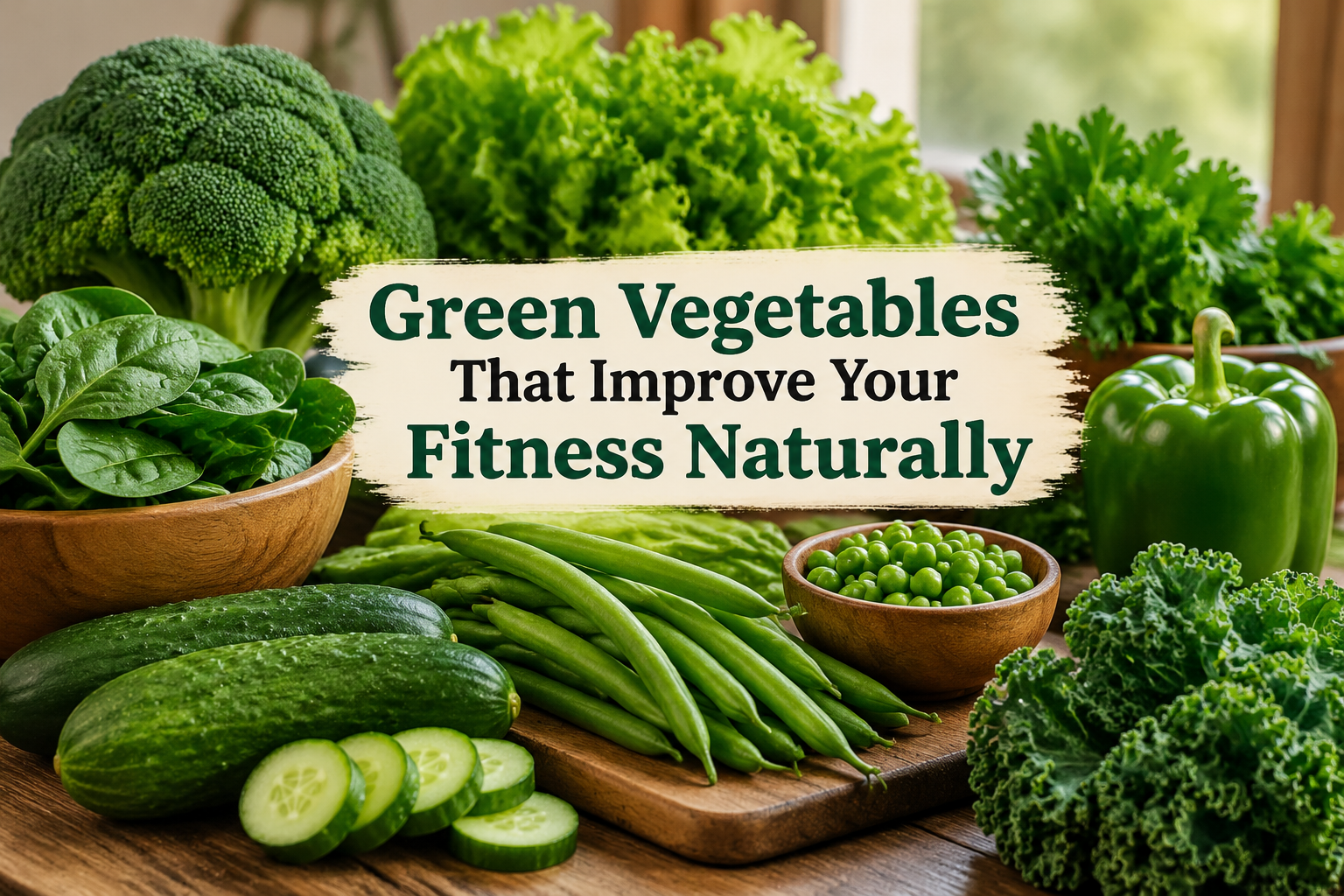
Fitness is not only about exercise, gym sessions, or building muscles. The food we eat every day plays an equally important role in improving strength, energy, recovery, and overall health. Among all healthy foods, green vegetables are some of the most powerful natural foods that support fitness goals. They are rich in vitamins, minerals, fiber, antioxidants, and plant compounds that help the body perform better.
Many people focus only on protein when they want to become fit, but a strong and active body needs more than protein. Green vegetables provide essential nutrients that support muscle function, digestion, immunity, hydration, and energy production. Adding the right green vegetables to your daily diet can help you achieve better fitness results naturally.
Whether your goal is muscle growth, weight management, better stamina, or a healthier lifestyle, green vegetables can become an important part of your fitness journey. These vegetables are easy to find, affordable, and can be included in many different meals.
Why Green Vegetables Are Important for Fitness
Green vegetables contain a wide range of nutrients that help the body work efficiently. During exercise, muscles require vitamins and minerals to produce energy and recover properly. Green vegetables provide nutrients such as magnesium, potassium, calcium, iron, vitamin C, vitamin K, and folate.
For example, magnesium supports muscle contraction and relaxation, while potassium helps maintain proper fluid balance in the body. Iron supports oxygen transportation through the blood, which is important for physical performance and endurance.
Green vegetables are also high in antioxidants. Exercise creates natural stress in the body, and antioxidants help protect cells from damage. Eating vegetables regularly can support faster recovery after workouts and improve overall health.
Another major benefit of green vegetables is their fiber content. Fiber improves digestion, helps maintain a healthy weight, and keeps you feeling full for longer. A healthy digestive system allows your body to absorb nutrients more effectively.
Spinach for Muscle Strength and Energy
Spinach is one of the most popular green vegetables for fitness lovers. It contains important nutrients that support muscle function and energy levels. Spinach is rich in magnesium, iron, potassium, and vitamins that help the body perform better.
Magnesium in spinach plays a role in hundreds of body processes, including energy production and muscle movement. When magnesium levels are low, people may experience tiredness, weakness, and muscle discomfort.
Spinach also contains nitrates, natural compounds that may support better blood flow and exercise performance. Better blood circulation allows muscles to receive oxygen and nutrients more efficiently.
You can add spinach to salads, smoothies, soups, omelets, or cooked meals. Including spinach regularly in your diet can support a stronger and more active body.
Broccoli for Muscle Recovery and Health
Broccoli is another excellent green vegetable for improving fitness naturally. It is packed with vitamins, minerals, fiber, and antioxidants. Many fitness enthusiasts include broccoli in their meals because it provides valuable nutrients without adding excessive calories.
Broccoli contains vitamin C, which supports collagen production and helps maintain healthy muscles, joints, and connective tissues. It also contains antioxidants that help protect the body from oxidative stress.
The fiber in broccoli supports digestion and helps maintain a healthy metabolism. A good metabolism allows the body to use energy efficiently and maintain a healthy body composition.
Broccoli is also a good source of vitamin K, which plays a role in bone health. Strong bones are important for people who perform regular workouts because they provide support during physical activities.
Kale for Nutrient Support
Kale has become popular worldwide because of its impressive nutritional value. This leafy green vegetable contains vitamins, minerals, and antioxidants that support overall fitness.
Kale is rich in vitamin A, vitamin C, vitamin K, calcium, and fiber. These nutrients help support immunity, bone strength, digestion, and recovery.
For people who exercise regularly, maintaining a strong immune system is important. Frequent intense workouts can sometimes increase stress on the body, and nutrient rich foods like kale can help support natural defenses.
Kale can be eaten raw in salads, blended into smoothies, or lightly cooked with other healthy foods. Its strong nutritional profile makes it a valuable addition to a fitness focused diet.
Green Beans for Healthy Energy
Green beans are a simple and affordable vegetable that can support an active lifestyle. They provide fiber, vitamins, and minerals that help maintain good health.
Green beans contain carbohydrates that provide energy for daily activities and workouts. While they are not a high calorie food, they provide useful nutrients that support physical performance.
They also contain fiber that helps control hunger and supports digestion. This makes green beans a good choice for people who want to maintain a healthy weight while staying active.
Adding green beans to lunch or dinner can improve the nutritional quality of your meals without making them heavy.
Peas for Plant Based Nutrition
Green peas are a great source of plant based nutrients. They contain protein, fiber, vitamins, and minerals that support fitness goals.
Although peas are not a replacement for high protein foods, they can contribute to daily protein intake. They also provide complex carbohydrates that give steady energy for workouts and daily activities.
The fiber in peas helps maintain stable blood sugar levels and supports healthy digestion. This can help prevent sudden energy crashes during the day.
Peas can be added to rice dishes, soups, salads, and many other healthy meals.
Cucumber for Hydration and Recovery
Cucumber is a refreshing green vegetable that supports hydration. Since water makes up a large part of cucumber, it helps the body maintain fluid balance.
Hydration is extremely important for fitness because dehydration can reduce energy levels, affect performance, and slow recovery. Eating water rich vegetables like cucumber can support daily hydration.
Cucumber also provides small amounts of vitamins and minerals that contribute to overall health. It is a great addition to salads, sandwiches, and post workout meals.
Lettuce for Light and Healthy Meals
Lettuce is a low calorie green vegetable that can help create healthy meals. It contains water, fiber, vitamins, and minerals that support a balanced diet.
For people trying to manage their weight, lettuce can add volume to meals without adding many calories. Feeling satisfied after meals can make it easier to follow healthy eating habits.
Lettuce works well in salads, wraps, and healthy sandwiches. Combining lettuce with protein sources such as chicken, eggs, or beans creates a balanced fitness meal.
Green Capsicum for Better Nutrition
Green capsicum, also known as green bell pepper, is another useful vegetable for fitness. It contains vitamin C, antioxidants, and fiber.
Vitamin C supports immune function and helps the body produce collagen, which is important for healthy skin, joints, and tissues. Antioxidants in green capsicum help protect cells from damage.
Adding green capsicum to meals can improve taste while increasing nutritional value. It can be used in stir fries, salads, grilled dishes, and many healthy recipes.
How to Include Green Vegetables in a Fitness Diet
Eating green vegetables does not have to be complicated. Small daily changes can make a big difference. Try adding spinach to breakfast, broccoli to lunch, and a fresh salad with dinner.
A balanced fitness meal should include vegetables along with protein sources and healthy carbohydrates. For example, grilled chicken with broccoli and brown rice creates a nutrient rich meal for active people.
Smoothies are another easy way to include green vegetables. Spinach, kale, cucumber, and other vegetables can be blended with fruits and yogurt for a healthy drink.
Cooking methods also matter. Steaming, grilling, and light cooking can help preserve nutrients. Avoid cooking vegetables with excessive oil because it can reduce their health benefits.
Green Vegetables and Muscle Growth
Many people think muscle growth depends only on protein intake, but vegetables also play an important role. Green vegetables provide minerals that support muscle function and recovery.
Magnesium, potassium, and calcium help muscles work properly. Without enough vitamins and minerals, the body may not perform at its best even with a high protein diet.
A combination of protein rich foods and nutrient dense vegetables creates a stronger foundation for fitness progress.
Green Vegetables for Weight Management
Green vegetables are excellent for people who want to maintain or reduce body weight. They are generally low in calories but high in fiber, which helps control hunger.
Eating more vegetables can reduce the desire for unhealthy snacks and help create a balanced calorie intake. This makes them useful for long term weight management.
A healthy weight improves movement, energy levels, and exercise performance.
Final Thoughts
Green vegetables are natural fitness foods that provide important nutrients for energy, strength, recovery, and overall health. Foods like spinach, broccoli, kale, green beans, peas, cucumber, lettuce, and green capsicum can support your fitness journey in many ways.
A strong body is built through consistent exercise and smart nutrition choices. Including a variety of green vegetables in your daily meals can help your body receive the nutrients it needs to perform better.
Fitness is not only about short term results. It is about creating healthy habits that improve your life for years. By making green vegetables a regular part of your diet, you can support a healthier, stronger, and more active lifestyle naturally.