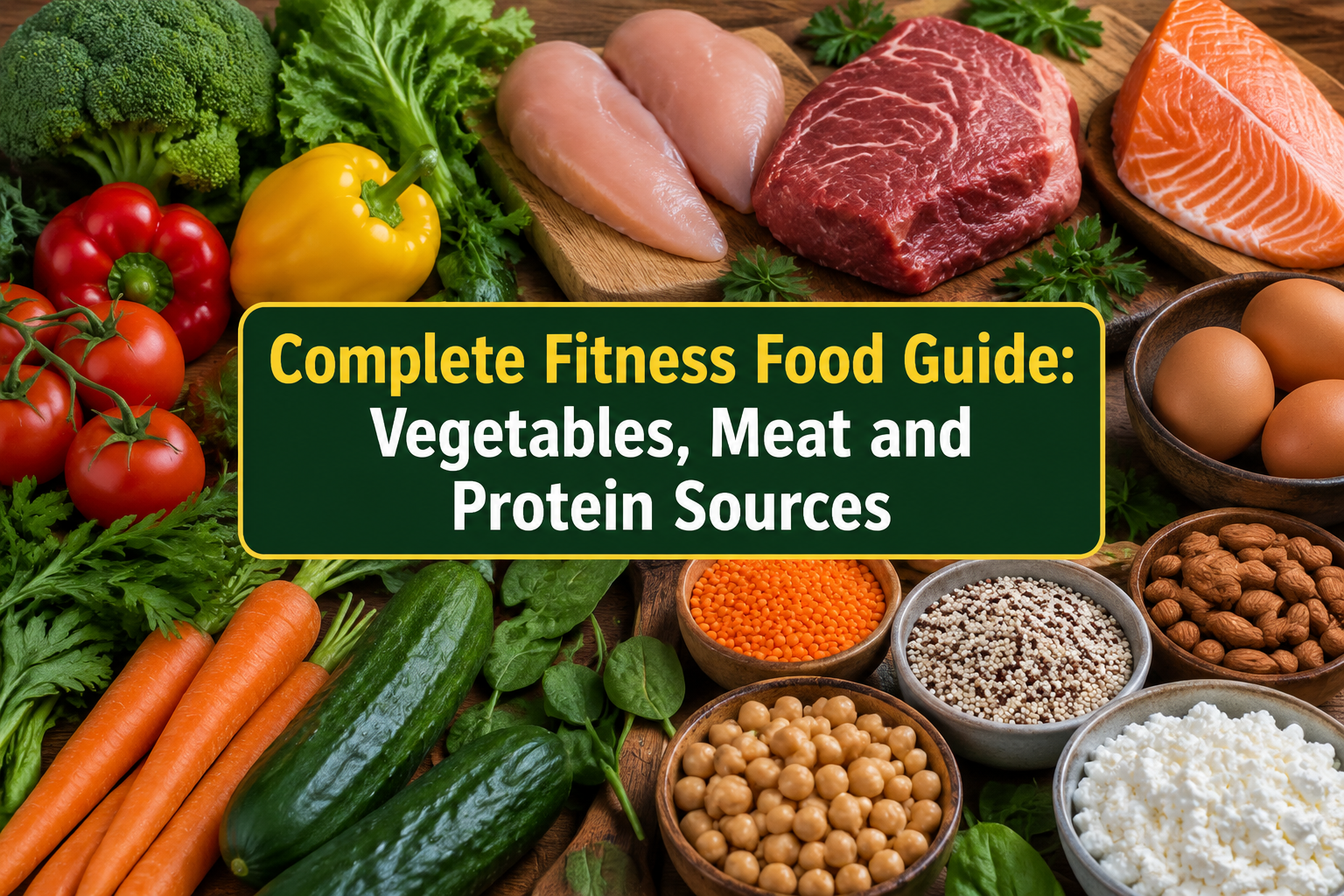
Fitness is not only about exercise and spending hours in the gym. The food we eat every day plays a major role in building strength, improving energy levels, maintaining a healthy body weight and supporting overall performance. A balanced fitness diet includes different types of foods that provide essential nutrients such as protein, carbohydrates, healthy fats, vitamins and minerals. Among these foods, vegetables, meat and protein sources are some of the most important parts of a healthy eating plan.
Many people think that fitness food means expensive supplements or complicated meal plans, but the reality is different. Natural foods can provide most of the nutrients required for muscle growth, fat control and better health. Choosing the right combination of vegetables, meat and protein sources can help beginners as well as professional athletes achieve their fitness goals.
This complete fitness food guide explains how vegetables, meat and protein rich foods support the body and how you can include them in your daily meals for better results.
The Importance of Nutrition in Fitness
When you exercise, your body uses energy and breaks down muscle tissues. Proper nutrition helps repair these tissues, restore energy and make the body stronger. Without a good diet, even regular workouts may not provide the desired results.
Protein helps build and repair muscles, carbohydrates provide energy for physical activities and vegetables supply vitamins, minerals and antioxidants that support body functions. A fitness focused diet should include all these nutrients in the right amounts.
A healthy food routine also improves digestion, supports immunity and helps maintain a balanced metabolism. Instead of focusing on one type of food, it is better to create a complete meal plan that includes different natural foods.
Role of Vegetables in a Fitness Diet
Vegetables are among the most valuable foods for people who want to improve their fitness. They are naturally low in calories and rich in important nutrients. They provide fiber, vitamins, minerals and plant compounds that support overall health.
Many fitness lovers focus mainly on protein but ignore vegetables. This can create nutritional gaps because vegetables provide nutrients that protein foods may not contain in sufficient amounts.
Spinach for Muscle Health
Spinach is a popular vegetable among fitness enthusiasts because it contains iron, magnesium, potassium and vitamins. These nutrients support energy production and muscle function.
Iron helps transport oxygen through the blood, which is important during exercise. Magnesium supports muscle relaxation and proper nerve function. Adding spinach to meals, salads or smoothies can improve the nutritional value of your diet.
Broccoli for Weight Management
Broccoli is another excellent vegetable for fitness goals. It contains fiber, vitamin C, calcium and antioxidants. Fiber helps control hunger and supports healthy digestion.
People trying to reduce body fat can benefit from adding broccoli to their meals because it provides important nutrients without adding too many calories.
Carrots for Energy and Health
Carrots are rich in beta carotene, which the body converts into vitamin A. Vitamin A supports eye health, immunity and skin health. The natural carbohydrates in carrots also provide a small amount of energy.
Carrots can be eaten raw, cooked or added to different healthy recipes.
Sweet Potatoes for Workout Energy
Sweet potatoes are a great source of complex carbohydrates. They provide steady energy and are especially useful for people who perform intense workouts.
Unlike simple sugars that provide quick but short energy, complex carbohydrates help maintain energy levels for longer periods.
Tomatoes for Recovery Support
Tomatoes contain antioxidants such as lycopene and provide vitamin C. These nutrients help protect body cells from damage and support recovery after physical activity.
Adding tomatoes to salads, sandwiches and cooked meals is an easy way to improve nutrition.
Benefits of Meat in Fitness Nutrition
Meat is one of the most common sources of high quality protein. It contains all essential amino acids that the body needs for muscle repair and growth.
Different types of meat provide different nutritional benefits. Choosing lean cuts and preparing them with healthy cooking methods can make meat a valuable part of a balanced fitness diet.
Chicken as a Popular Fitness Protein
Chicken is one of the most widely used protein sources among athletes and gym beginners. Chicken breast is especially popular because it contains high protein with relatively low fat.
Protein from chicken helps repair muscles after exercise and supports strength development. It can be prepared in many ways including grilling, baking, boiling or cooking with vegetables.
Chicken is also affordable and easily available, making it suitable for people following a regular fitness meal plan.
Beef for Muscle Growth and Strength
Beef provides high quality protein along with important nutrients such as iron, zinc and vitamin B12.
Iron supports oxygen transportation in the body, while zinc plays a role in immunity and recovery. Vitamin B12 helps maintain healthy nerves and energy metabolism.
For fitness goals, lean beef choices are generally better because they provide protein with less unnecessary fat.
Mutton and Its Fitness Benefits
Mutton is another protein rich meat that is commonly consumed in many cultures. It provides protein, iron, zinc and other important nutrients.
People who include mutton in their diet should focus on balanced portions because some cuts can contain higher amounts of fat. Combining mutton with vegetables and healthy carbohydrates creates a complete meal.
Fish as a Healthy Protein Option
Fish is an excellent protein source and many varieties contain healthy omega 3 fatty acids. Omega 3 fats support heart health and may help reduce inflammation in the body.
Salmon, tuna and other fish varieties can be included in a fitness diet for variety and additional health benefits.
Eggs as a Complete Protein Food
Eggs are one of the simplest and most affordable protein sources. They contain all essential amino acids required for muscle repair.
Eggs also provide vitamins, minerals and healthy fats. Many fitness enthusiasts include eggs in breakfast because they help provide long lasting fullness and energy.
Plant Based Protein Sources
Although meat and dairy products are common protein sources, many plant foods also provide valuable protein.
Lentils and Beans
Lentils and beans are rich in protein, fiber and minerals. They are especially useful for people who prefer plant based meals.
They can be added to soups, salads and traditional meals to increase protein intake.
Chickpeas
Chickpeas provide protein and complex carbohydrates. They are useful for maintaining energy levels and supporting muscle recovery.
Nuts and Seeds
Almonds, peanuts, chia seeds and other nuts and seeds contain protein along with healthy fats.
Because nuts are calorie dense, they should be consumed in balanced amounts, especially for people focusing on weight control.
Combining Vegetables, Meat and Protein Sources
A strong fitness meal does not depend on one food group. The best approach is combining different foods to create balanced meals.
A simple fitness plate can include:
A portion of protein such as chicken, beef, eggs or lentils.
A portion of vegetables such as spinach, broccoli, carrots or tomatoes.
A portion of healthy carbohydrates such as brown rice, oats or sweet potatoes.
A small amount of healthy fats from nuts, seeds or olive oil.
This combination provides energy, supports muscle repair and keeps the body properly nourished.
How Much Protein Do You Need?
Protein requirements depend on age, activity level, body weight and fitness goals. People who exercise regularly usually need more protein than people with a less active lifestyle.
A balanced approach is better than consuming excessive amounts of protein. The body needs different nutrients, not only protein. Including vegetables, carbohydrates and healthy fats creates better long term results.
Healthy Cooking Methods for Fitness Foods
The way food is prepared affects its nutritional value. Healthy cooking methods include grilling, baking, steaming and boiling.
Deep frying can add unnecessary calories and unhealthy fats. Instead, use herbs, spices and natural ingredients to improve flavor without reducing health benefits.
Cooking vegetables for the right amount of time also helps preserve their nutrients.
Common Mistakes in Fitness Nutrition
Many people make mistakes while following a fitness diet. Some focus only on protein and ignore vegetables. Others skip meals or follow extreme diets that are difficult to maintain.
A successful fitness diet should be realistic and enjoyable. The goal is to create healthy eating habits that can continue for a long time.
Building a Sustainable Fitness Food Plan
A good fitness food plan should match your lifestyle. Prepare meals according to your schedule and choose foods that you enjoy eating.
Planning meals in advance can prevent unhealthy choices. Keeping simple foods such as eggs, vegetables, chicken, fruits and nuts available makes healthy eating easier.
Consistency is more important than perfection. Small improvements every day can create significant results over time.
Final Thoughts
A complete fitness food guide is not only about counting calories or focusing on one nutrient. A successful diet includes a variety of natural foods that support the body’s needs.
Vegetables provide essential vitamins, minerals and fiber. Meat provides high quality protein for muscle growth and recovery. Other protein sources such as eggs, fish, beans and nuts add variety and important nutrients.
By creating balanced meals with vegetables, meat and protein sources, anyone can improve fitness, increase energy and maintain better health. The key is choosing nutritious foods consistently and combining them with regular physical activity for long term success.