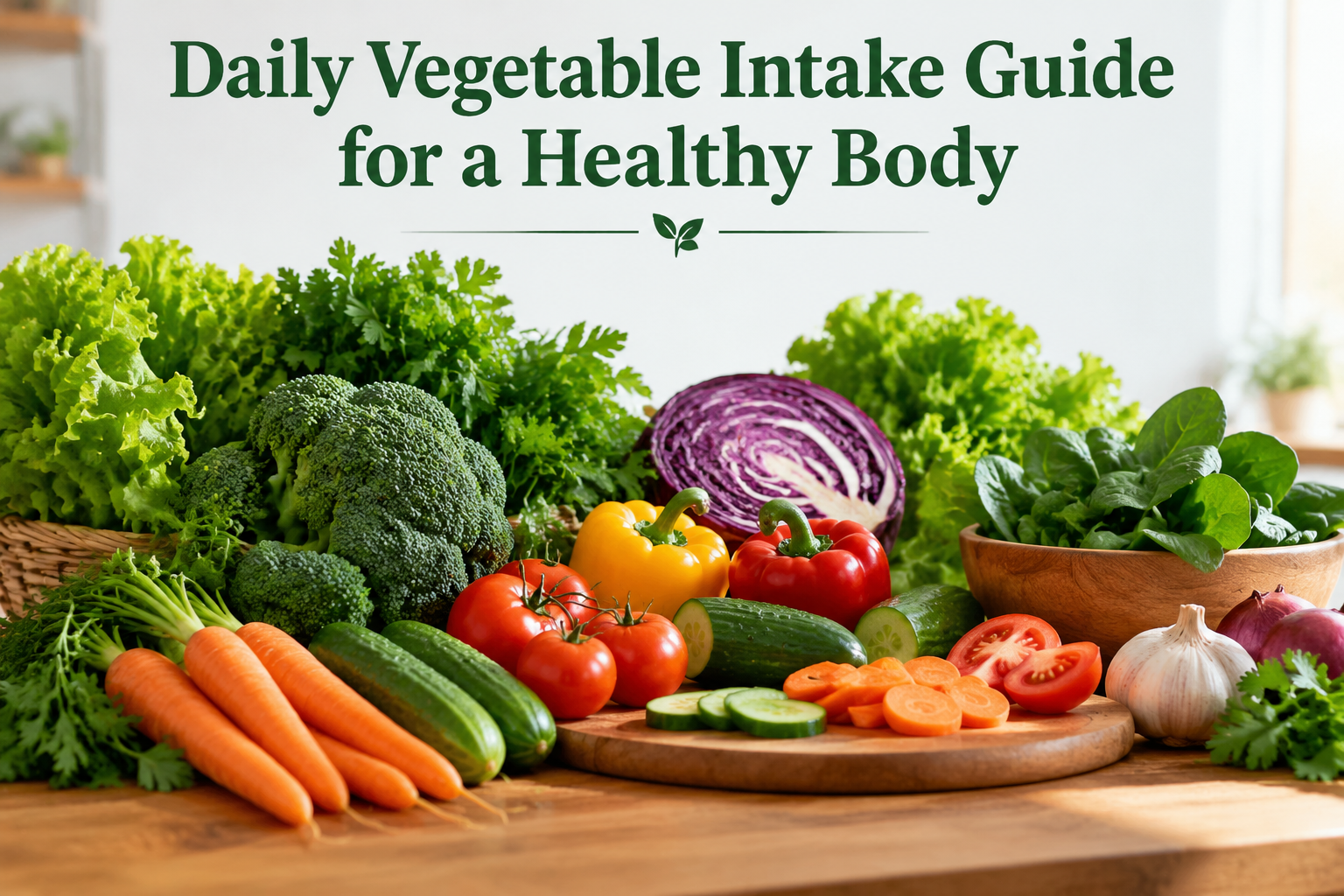
Vegetables are one of the most important parts of a healthy diet. They provide essential vitamins, minerals, fiber, antioxidants, and natural compounds that help the body stay strong and active. A balanced daily vegetable intake can improve digestion, support a healthy weight, increase energy levels, strengthen immunity, and reduce the risk of many health problems. Many people understand that vegetables are healthy, but they often do not know how many vegetables they should eat daily or which vegetables provide the best benefits for their body.
A healthy body needs a variety of vegetables because every vegetable contains different nutrients. Green vegetables, colorful vegetables, and root vegetables all play different roles in maintaining overall health. Eating a wide range of vegetables every day helps the body receive complete nutrition and supports a balanced lifestyle.
Why Daily Vegetable Intake Is Important
Vegetables are naturally rich in nutrients while being low in calories. This makes them an excellent choice for people who want to maintain a healthy body without consuming excessive calories. The fiber present in vegetables helps improve digestion and keeps the stomach full for a longer time, which can support healthy weight management.
A daily vegetable intake also provides important vitamins such as vitamin A, vitamin C, vitamin K, and folate. These nutrients support different body functions, including vision, skin health, blood formation, and immune system strength. Minerals like potassium, magnesium, and calcium found in vegetables also help maintain strong bones, healthy muscles, and proper heart function.
Vegetables also contain antioxidants that protect body cells from damage caused by harmful substances called free radicals. Regular consumption of antioxidant rich vegetables can support long term health and help the body function properly.
How Many Vegetables Should You Eat Every Day
The amount of vegetables a person needs depends on age, activity level, health goals, and overall diet. However, many health experts recommend eating around two to three cups of vegetables daily for most adults.
A simple way to include enough vegetables in your diet is to fill about half of your plate with vegetables during lunch and dinner. This method makes it easier to increase vegetable intake without making complicated diet plans.
For active people, athletes, and individuals who exercise regularly, a higher vegetable intake can be beneficial because vegetables provide nutrients that support energy production, muscle recovery, and overall performance.
Children also need vegetables daily because their growing bodies require vitamins and minerals for proper development. Parents can encourage healthy eating habits by introducing different vegetables in colorful and enjoyable ways.
Best Vegetables to Include in Your Daily Diet
Eating different types of vegetables is important because each vegetable offers unique health benefits. Here are some of the best vegetables to include in your daily vegetable intake.
Leafy Green Vegetables
Leafy green vegetables such as spinach, lettuce, kale, and mustard greens are among the most nutritious foods available. They are rich in vitamins, minerals, and antioxidants that support overall health.
Spinach contains iron, magnesium, and vitamin K, which help support blood health, muscle function, and strong bones. Leafy greens also contain fiber that improves digestion and supports a healthy gut.
Adding green vegetables to salads, soups, smoothies, or cooked meals is an easy way to improve your daily nutrition.
Carrots for Better Vision and Immunity
Carrots are well known for their high beta carotene content, which the body converts into vitamin A. Vitamin A supports healthy vision, skin health, and immune function.
Carrots are also a good source of fiber, making them useful for improving digestion and maintaining a feeling of fullness. They can be eaten raw as a snack, added to salads, or cooked with different meals.
Broccoli for Complete Nutrition
Broccoli is one of the most popular vegetables for a healthy lifestyle. It contains fiber, vitamin C, vitamin K, and powerful plant compounds that support the body’s natural defense system.
Regular consumption of broccoli can support heart health, digestion, and overall wellness. It is a great vegetable choice for people who want to improve their diet naturally.
Tomatoes for Heart Health
Tomatoes provide important nutrients including vitamin C, potassium, and lycopene. Lycopene is a natural antioxidant that gives tomatoes their red color and supports heart health.
Adding tomatoes to meals is simple because they can be used in salads, soups, sauces, and many traditional dishes. They are a convenient way to increase daily vegetable intake.
Sweet Potatoes for Energy
Sweet potatoes are nutritious root vegetables that provide complex carbohydrates, fiber, and important vitamins. They are especially useful for active individuals who need steady energy throughout the day.
Unlike many processed carbohydrate foods, sweet potatoes provide nutrients along with energy. They can be baked, boiled, or added to healthy meals.
Colorful Vegetables for Better Nutrition
A healthy vegetable diet should include different colors because different colors often represent different nutrients. This is called eating the rainbow.
Red vegetables such as tomatoes and red peppers contain antioxidants that support cell health. Orange vegetables such as carrots and pumpkin provide beta carotene. Green vegetables provide minerals and vitamins that support many body functions. Purple vegetables such as purple cabbage and eggplant contain special plant compounds that support overall wellness.
Including different colored vegetables in your meals makes your diet more nutritious and enjoyable.
Vegetables and Digestive Health
One of the biggest benefits of daily vegetable intake is improved digestion. Vegetables contain dietary fiber, which helps food move smoothly through the digestive system.
Fiber supports healthy bowel movements and helps maintain a balanced gut environment. People who do not eat enough vegetables may experience digestive problems because their diet lacks sufficient fiber.
Vegetables such as spinach, peas, broccoli, carrots, and cabbage are excellent sources of fiber. Drinking enough water along with eating vegetables helps fiber work effectively in the body.
Vegetables for Weight Management
Vegetables are valuable for people trying to maintain a healthy weight. They are low in calories but high in volume, meaning they help you feel satisfied after eating.
Replacing high calorie processed foods with vegetables can reduce overall calorie intake while still providing essential nutrients. A meal containing vegetables, protein, and healthy fats can keep hunger under control and support better eating habits.
Vegetables should not be seen as a temporary diet food. They are a permanent part of a healthy lifestyle.
How to Add More Vegetables to Your Daily Routine
Many people struggle to eat enough vegetables because they do not plan their meals properly. Small changes can make a big difference.
Start your day by adding vegetables to breakfast. You can include spinach in eggs, tomatoes in sandwiches, or vegetables in homemade wraps.
For lunch and dinner, make vegetables a major part of your plate instead of a small side dish. Adding salads, cooked vegetables, or vegetable soups can quickly increase your daily intake.
Healthy snacks can also include vegetables. Carrot sticks, cucumber slices, and roasted vegetables are simple options for replacing unhealthy snacks.
Preparing vegetables in advance can also help. Washing, cutting, and storing vegetables makes them easier to use when preparing meals.
Raw Vegetables vs Cooked Vegetables
Both raw and cooked vegetables can be part of a healthy diet. Some nutrients are better preserved in raw vegetables, while cooking can improve the availability of certain nutrients.
For example, lightly cooked tomatoes may provide more available lycopene compared to raw tomatoes. On the other hand, raw vegetables like carrots and cucumbers provide freshness and crunch.
The best approach is to include both raw and cooked vegetables in your daily vegetable intake.
Common Mistakes People Make With Vegetable Intake
One common mistake is eating the same vegetables every day. Although eating any vegetable is better than eating none, variety is important because different vegetables provide different nutrients.
Another mistake is adding unhealthy sauces, excessive oil, or high calorie toppings that reduce the health benefits of vegetables.
Some people also avoid vegetables because they think healthy eating is expensive. However, many affordable vegetables such as cabbage, carrots, spinach, potatoes, and seasonal vegetables provide excellent nutrition.
Daily Vegetable Intake for a Stronger Lifestyle
A healthy body requires consistent healthy choices. Eating vegetables once in a while is not enough to achieve the best results. Daily vegetable intake creates a foundation for better health and long term wellness.
Vegetables support almost every part of the body, from digestion and immunity to energy and heart health. They provide natural nutrients that processed foods often lack.
Building a habit of eating vegetables every day is one of the simplest improvements you can make for your health. You do not need complicated diets or expensive foods. A balanced plate with fresh vegetables, quality protein, whole grains, and enough water can support a healthier and more active life.
Final Thoughts
Daily vegetable intake is essential for maintaining a healthy body. Vegetables provide vitamins, minerals, fiber, and antioxidants that help the body work efficiently. Including different types of vegetables such as leafy greens, carrots, broccoli, tomatoes, and sweet potatoes can improve nutrition and support overall wellness.
The key is consistency and variety. Make vegetables a regular part of your meals, choose different colors, and enjoy them in different ways. A simple daily habit of eating enough vegetables can become a powerful step toward better health, improved energy, and a stronger body.